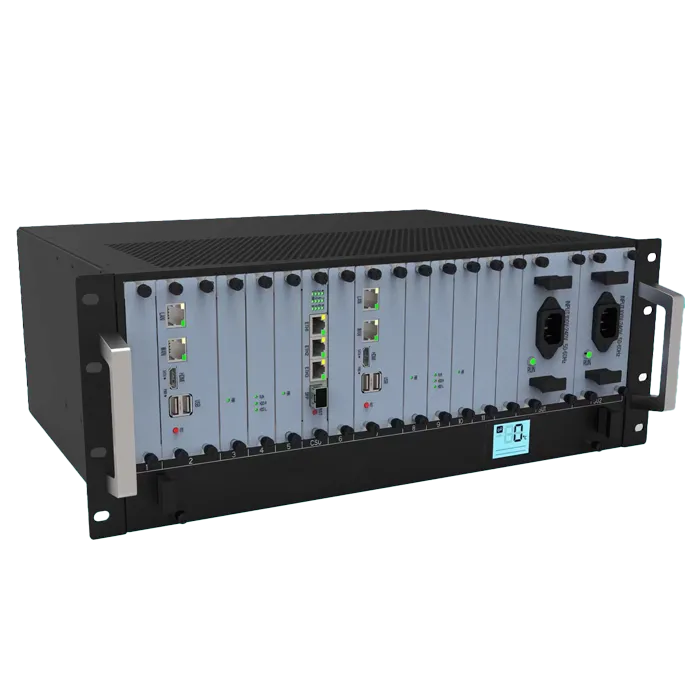
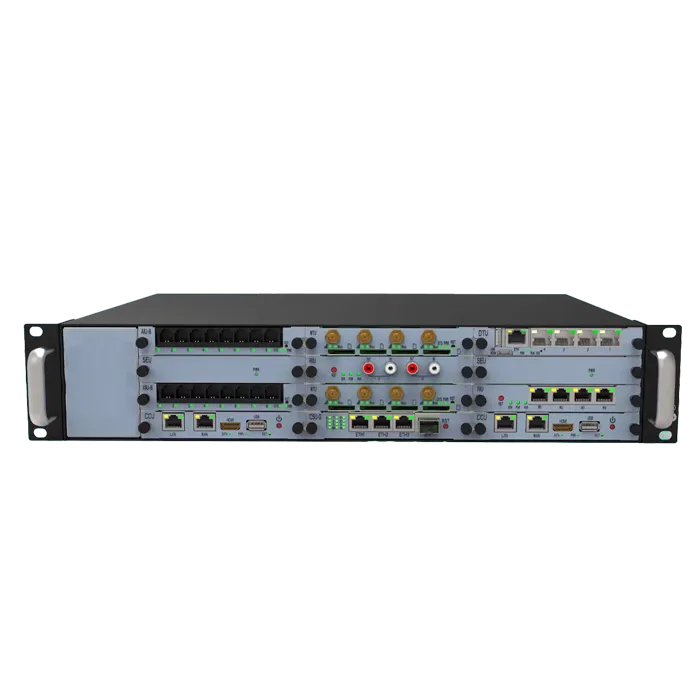
In the dynamic landscape of industrial and enterprise communications, the need for seamless integration between legacy telephony systems and modern Voice over Internet Protocol (VoIP) networks has never been more critical. The Becke MTG200 Series Digital VoIP Trunk Gateway emerges as a pivotal solution, designed to address this challenge with unmatched efficiency, flexibility, and cost-effectiveness. This comprehensive analysis delves into every aspect of the MTG200, exploring its technical architecture, feature set, deployment scenarios, and the transformative impact it delivers to businesses across industries, particularly in high-stakes environments like industrial communication and emergency command systems.
1. Product Overview: Redefining Trunk Gateway Technology
The Becke MTG200 Series represents a paradigm shift in how organizations approach telephony network modernization. Far more than a simple protocol converter, this gateway serves as a complete migration platform that enables businesses to transition from traditional PSTN (Public Switched Telephone Network) infrastructure to VoIP without sacrificing the reliability and connectivity of their existing systems. Available in configurations with 1, 2, or 4 E1/T1 ports, the MTG200 delivers a scalable solution that grows with organizational needs, making it equally suitable for small businesses and large enterprises with complex communication requirements.

At its core, the MTG200 solves one of the most pressing challenges in modern telecommunications: how to leverage the cost savings and advanced features of VoIP while maintaining interoperability with legacy PBX (Private Branch Exchange) systems, E1/T1 service providers, and other traditional telephony infrastructure. With a compact 1U rack-mountable design, this gateway optimizes space utilization in server rooms while delivering enterprise-grade performance that was once only available in far more expensive solutions.
What truly distinguishes the Becke MTG200 from competing products is its dual focus on compatibility and innovation. Engineered specifically for the open-source market, it offers seamless integration with leading VoIP platforms including Asterisk, Elastix, Trixbox, and FreeSWITCH, while supporting a comprehensive range of signaling protocols including ISDN PRI, SS7, and R2 MFC. This broad compatibility ensures that organizations can implement the MTG200 without disrupting their existing communication workflows or investing in entirely new infrastructure.
2. Technical Architecture: Engineering Excellence for Reliable Performance
2.1 Hardware Design and Physical Interfaces
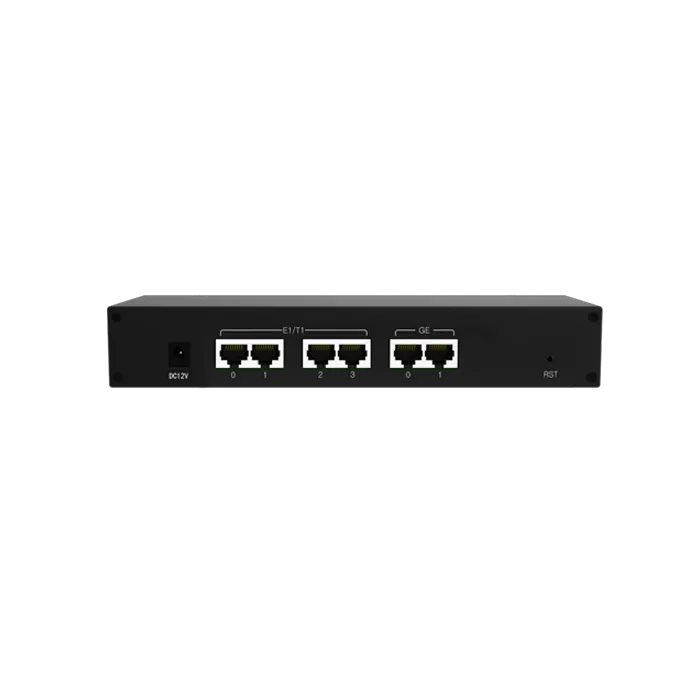
The Becke MTG200's hardware architecture embodies the principles of industrial-grade reliability and high-density performance. Constructed with a robust metal chassis, the 1U rack-mountable unit measures 440mm × 220mm × 44mm (W×D×H), making it ideal for standard server rack installations while occupying minimal vertical space. The front panel features intuitive LED indicators for power, system status, and individual E1/T1 port activity, enabling quick visual diagnostics without accessing the management interface.
The MTG200 supports E1/T1 physical interfaces fully compliant with G.703/G.704 international standards, ensuring compatibility with global telecommunication infrastructure. Each E1/T1 port delivers 30 concurrent voice channels, with the 4-port configuration providing a total of 120 simultaneous calls—sufficient capacity for most mid-sized enterprises and branch offices. The gateway also includes dual 10/100/1000Mbps Ethernet ports for IP network connectivity, supporting link aggregation for enhanced bandwidth and redundancy.
Under the hood, the MTG200 utilizes a high-performance digital signal processor (DSP) that handles the intensive computations required for real-time voice processing, echo cancellation, and protocol conversion. This dedicated hardware ensures that voice quality remains consistently high even under maximum load, with minimal latency or jitter that could degrade communication clarity. The gateway also incorporates redundant power supply options (available on select models) to ensure uninterrupted operation in mission-critical environments, a feature particularly valuable for emergency command systems and industrial applications where downtime is not an option.
2.2 Protocol Compatibility and Signaling Support
The Becke MTG200's protocol support represents one of its most significant technical advantages, enabling it to serve as a universal bridge between TDM and IP networks. At the physical layer, it fully complies with G.703/G.704 standards for E1/T1 interfaces, supporting both CRC4 and non-CRC4 framing modes as well as CAS (Channel Associated Signaling) and CCS (Common Channel Signaling) configurations. This flexibility allows the gateway to integrate with virtually any PSTN service provider or legacy PBX system, regardless of their signaling requirements.
For signaling protocols, the MTG200 offers comprehensive support for the three most widely used trunk signaling standards:
- ISDN PRI (Primary Rate Interface): The gateway supports both EuroISDN (ETSI) and North American (ANSI) PRI variants, enabling direct connection to ISDN PRI service providers or PRI-compatible PBX systems. It handles D-channel signaling for call setup, teardown, and supplementary services, supporting up to 30 B-channels per E1 interface.
- SS7 (Signaling System No. 7): As an optional feature, the MTG200 supports SS7 signaling networking, making it suitable for carrier-grade deployments requiring interconnection with public telephone networks. It implements MTP2 (Message Transfer Part Level 2), MTP3 (Message Transfer Part Level 3), ISUP (ISDN User Part), and TUP (Telephone User Part) protocols, enabling advanced features such as number portability, call forwarding, and caller ID translation.
- R2 MFC (Multi-Frequency Compelled): The gateway fully supports R2 MFC trunk interconnection, the most widely used signaling system for international telecommunication trunks. It handles both line signaling (using E&M or ground start) and inter-register signaling (using multi-frequency tones), enabling seamless integration with legacy telecommunication infrastructure in regions where R2 MFC remains prevalent.
This comprehensive signaling support makes the MTG200 one of the most versatile trunk gateways available, capable of addressing the communication needs of businesses operating in diverse geographical regions with varying telecommunication standards.
2.3 Voice Processing and Quality Enhancement Technologies
The Becke MTG200 incorporates advanced voice processing technologies to ensure crystal-clear communication even in challenging network conditions. At the heart of its voice processing capabilities is a state-of-the-art echo cancellation engine that supports up to 128ms of echo tail length, effectively eliminating acoustic and line echo that can degrade call quality in IP telephony implementations. This is particularly valuable in industrial environments where background noise and long cable runs can exacerbate echo issues.
To further enhance voice quality, the MTG200 implements a comprehensive suite of audio processing features including:
- Dynamic Jitter Buffer (DJB): Automatically adjusts buffer size based on network conditions to compensate for variable packet delay, ensuring smooth voice playback even during periods of network congestion.
- Voice Activity Detection (VAD): Identifies periods of silence during calls to reduce bandwidth consumption by suppressing packet transmission during non-speech intervals.
- Comfort Noise Generation (CNG): Creates natural background noise during silent periods to prevent call participants from perceiving disconnections or audio dropouts.
- DTMF Relay: Supports multiple DTMF (Dual-Tone Multi-Frequency) relay methods including in-band, out-of-band (RFC 2833), and SIP INFO, ensuring reliable transmission of touch-tone signals for applications such as interactive voice response (IVR) systems and conference call controls.
The gateway supports a wide range of audio codecs to accommodate different bandwidth requirements and voice quality preferences, including G.711A/u (64kbps), G.729A/B (8kbps), G.723.1 (5.3/6.3kbps), and iLBC (13.33/15.2kbps). This flexibility allows organizations to balance voice quality and bandwidth utilization according to their specific network constraints and communication needs.
2.4 Security Architecture: Protecting Communication Integrity
In an era of increasing cybersecurity threats, the Becke MTG200 prioritizes communication security through a multi-layered security architecture that safeguards both signaling and media streams. The gateway implements TLS 1.3 (Transport Layer Security) for encrypting SIP signaling traffic, ensuring that call setup, teardown, and control messages remain confidential and tamper-proof during transmission over IP networks. For media streams, it supports SRTP (Secure Real-time Transport Protocol) encryption, which protects voice data from eavesdropping and modification using AES (Advanced Encryption Standard) with 128-bit keys.
To prevent unauthorized access to the gateway's management interface, the MTG200 incorporates robust authentication mechanisms including password protection and role-based access control (RBAC), allowing administrators to define granular permissions for different user accounts. It also supports IP address filtering, enabling administrators to restrict management access to trusted IP addresses or subnets, further enhancing security against brute-force attacks and unauthorized configuration changes.
For organizations operating in regulated industries, the MTG200's security features are fully compliant with GDPR (General Data Protection Regulation) requirements, ensuring that communication data is handled in accordance with international privacy standards. This compliance makes the gateway suitable for deployment in healthcare, finance, government, and other sectors with strict data protection mandates.
3. Core Features: Transforming Communication Workflows
3.1 Protocol Conversion and Network Interconnection Capabilities
The Becke MTG200's primary function is to serve as a seamless bridge between TDM (Time Division Multiplexing) and IP networks, enabling organizations to leverage the benefits of VoIP while maintaining connectivity with their existing PSTN infrastructure. This protocol conversion capability is achieved through a sophisticated software architecture that handles real-time translation between TDM signaling and VoIP protocols, eliminating the need for multiple specialized devices and reducing network complexity.
One of the most significant advantages of the MTG200's protocol conversion technology is its ability to replace traditional trunk gateways with a single device, effectively reducing network deployment costs by up to 50%. This cost reduction stems from the gateway's integrated design, which combines the functionality of multiple components including TDM interfaces, protocol converters, and VoIP gateways into a single 1U rack-mountable unit.
The gateway's interconnection capabilities extend beyond simple protocol translation to include advanced features such as:
- TDM-to-VoIP Routing: Enables direct call routing between traditional PSTN lines and VoIP endpoints, with support for DID (Direct Inward Dialing) and DOD (Direct Outward Dialing) functionality to streamline call management.
- Caller ID Passthrough: Preserves caller identification information during protocol conversion, ensuring that call recipients see the original caller's number regardless of whether the call originated from a PSTN or VoIP network.
- Customizable Routing Policies: Allows administrators to define flexible call routing rules based on factors such as time of day, caller ID, destination number, and network availability, optimizing communication workflows and reducing costs through intelligent route selection.
- Trunk Group Management: Supports grouping of E1/T1 ports into logical trunk groups for simplified management and load balancing, ensuring efficient utilization of network resources during peak call periods.
These capabilities make the MTG200 an ideal solution for organizations looking to modernize their communication infrastructure without sacrificing the reliability and familiarity of traditional telephony systems.

3.2 Deployment Flexibility and Integration Options
The Becke MTG200's design philosophy centers on deployment flexibility, with features that accommodate a wide range of network architectures and organizational requirements. Whether deployed as a standalone gateway, integrated with an existing PBX system, or incorporated into a carrier-grade network, the MTG200 adapts seamlessly to diverse deployment scenarios.
For organizations with legacy PBX systems, the MTG200 can be deployed between the PBX and the PSTN to enable VoIP connectivity without replacing the entire telephony infrastructure. This hybrid deployment model allows businesses to gradually transition to VoIP by routing a portion of their calls through the IP network while maintaining PSTN connectivity for critical communications.
In open-source VoIP environments, the MTG200's compatibility with platforms like Asterisk and FreeSWITCH enables the creation of customized communication solutions tailored to specific business needs. This integration capability is particularly valuable for organizations in industrial sectors that require specialized communication features such as emergency call prioritization, group paging, and integration with SCADA (Supervisory Control and Data Acquisition) systems.
The MTG200 also supports deployment in carrier-grade environments, where its SS7 signaling capabilities enable interconnection with public telephone networks for large-scale communication services. In these scenarios, the gateway serves as an SS7 signaling gateway to connect IMS (IP Multimedia Subsystem) core networks with traditional telephone switches, supporting communication services for tens of millions of users.
3.3 Advanced Management and Monitoring Features
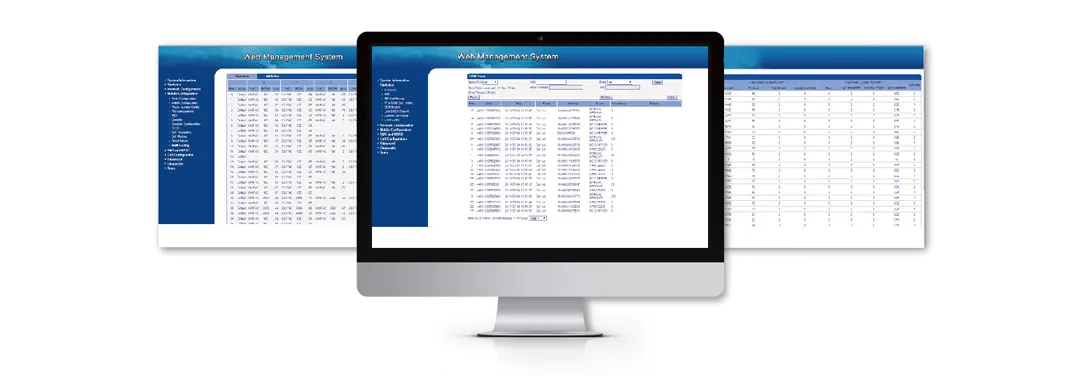
Effective management and monitoring are critical to maintaining reliable communication services, and the Becke MTG200 delivers a comprehensive suite of tools to simplify these tasks. At the forefront of its management capabilities is an intuitive web-based graphical user interface (GUI) that provides access to all configuration parameters, status information, and diagnostic tools through a standard web browser. This eliminates the need for specialized management software and enables administrators to configure and monitor the gateway from any location with network access.
For organizations that require centralized network management, the MTG200 supports SNMP (Simple Network Management Protocol), enabling integration with popular network management systems such as Nagios, Zabbix, and HP OpenView. This allows administrators to monitor gateway performance, track call statistics, and receive real-time alerts for critical events such as port failures or network connectivity issues.
The gateway also includes a range of advanced management features designed to streamline deployment and maintenance workflows, including:
- Automated Provisioning: Supports zero-touch deployment through integration with Dinstar Cloud Management System, enabling mass configuration of multiple gateways across distributed locations.
- Configuration Backup and Restore: Allows administrators to save gateway configurations to a file and restore them in case of hardware failure or configuration errors, minimizing downtime and ensuring consistency across deployments.
- Advanced Debug Tools: Provides real-time call tracing, protocol analysis, and error logging capabilities to facilitate troubleshooting of communication issues, reducing mean time to repair (MTTR) and ensuring continuous service availability.
- Firmware Updates: Supports in-service software upgrades (ISSU) to ensure that the gateway remains up-to-date with the latest features, security patches, and protocol enhancements without disrupting ongoing communication services.
These management capabilities make the MTG200 suitable for both small businesses with limited IT resources and large enterprises with complex distributed communication systems.
3.4 Fax and Modem Support: Preserving Legacy Application Compatibility
While VoIP has largely replaced traditional telephony for voice communication, many organizations still rely on fax machines and modems for critical business applications such as document transmission and point-of-sale (POS) transactions. The Becke MTG200 addresses this need through comprehensive support for fax and modem services over IP networks, ensuring that organizations can transition to VoIP without losing compatibility with these essential legacy applications.
The gateway supports both T.38 fax relay and pass-through fax transmission methods, providing flexibility to accommodate different fax machine models and network conditions. T.38 fax relay is the preferred method for IP networks, as it converts fax signals into IP packets for reliable transmission over packet-switched networks, while pass-through mode preserves the original analog fax signal for compatibility with older fax machines that do not support T.38.
For modem applications, the MTG200 supports V.90 and V.34 modem protocols, enabling reliable data transmission for POS terminals, credit card readers, and other devices that rely on modem connectivity. This is particularly valuable in retail, hospitality, and industrial sectors where legacy modem-based systems remain prevalent and cannot be easily replaced.
The gateway's fax and modem support is backed by over a decade of experience integrating with a wide range of legacy PBX systems and service providers' PSTN networks, ensuring compatibility with virtually any fax machine or modem device currently in use.
4. Application Scenarios: Delivering Value Across Industries
4.1 Enterprise PBX Modernization
For small and medium-sized enterprises (SMEs) looking to upgrade their communication infrastructure without replacing their existing PBX systems, the Becke MTG200 offers an ideal solution. By deploying the gateway between the legacy PBX and the PSTN, organizations can add VoIP capabilities to their existing telephony systems, enabling features such as:
- Cost-Effective Long-Distance Calling: Route international and long-distance calls through VoIP networks to reduce communication costs by up to 60% compared to traditional PSTN rates.
- Remote Worker Integration: Connect remote employees and branch offices to the corporate PBX via VoIP, eliminating the need for expensive dedicated lines and enabling seamless communication between distributed teams.
- Unified Communications: Integrate voice, video, and instant messaging capabilities into the existing communication infrastructure, enhancing collaboration and productivity across the organization.
The MTG200's compatibility with leading open-source VoIP platforms also enables SMEs to create customized communication solutions tailored to their specific business needs, such as call centers, interactive voice response systems, and automated attendants. This flexibility allows organizations to implement advanced communication features that were once only available to large enterprises with substantial IT budgets.
4.2 Carrier-Grade Network Interconnection
In carrier and service provider environments, the Becke MTG200 serves as a powerful tool for network interconnection and service expansion. Its SS7 signaling capabilities enable service providers to connect their IP-based networks with traditional PSTN infrastructure, supporting a wide range of communication services including:
- Wholesale Voice Services: Offer cost-effective voice termination services to other service providers by leveraging the efficiency of VoIP while maintaining connectivity with the global PSTN network.
- Number Portability: Support number portability services by enabling seamless call routing between different service providers' networks, enhancing customer satisfaction and reducing churn.
- Value-Added Services: Deploy advanced services such as call forwarding, caller ID blocking, and voicemail-to-email conversion by leveraging the gateway's integration with IMS core networks.
The MTG200's high-density design, with support for up to 4 E1 ports and 120 concurrent voice channels, makes it suitable for high-traffic carrier environments where reliability and scalability are paramount. Its compatibility with SS7 signaling also ensures interoperability with existing carrier infrastructure, minimizing deployment time and reducing integration costs.
4.3 Cross-Border Communication Optimization
Multinational businesses face unique challenges in managing communication across geographical boundaries, including high international calling costs, varying telecommunication standards, and complex regulatory requirements. The Becke MTG200 addresses these challenges by enabling organizations to replace expensive international long-distance lines with cost-effective SIP trunks, reducing cross-border communication costs by over 60%.
The gateway's support for multiple signaling protocols, including R2 MFC for international trunk interconnection, ensures compatibility with telecommunication infrastructure in diverse regions of the world. This allows multinational organizations to implement a unified communication strategy across all their global locations, simplifying management and ensuring consistent service quality regardless of geographical location.
In addition to cost savings, the MTG200's cross-border communication capabilities enable organizations to:
- Centralize Communication Management: Consolidate international call routing through a single gateway, simplifying billing, monitoring, and troubleshooting across global locations.
- Ensure Regulatory Compliance: Adapt to local telecommunication regulations and numbering plans through customizable routing policies and signaling configurations.
- Improve Collaboration: Enable seamless communication between global teams through features such as unified dialing plans and cross-border conference calling.
4.4 Emergency Command and Control Systems
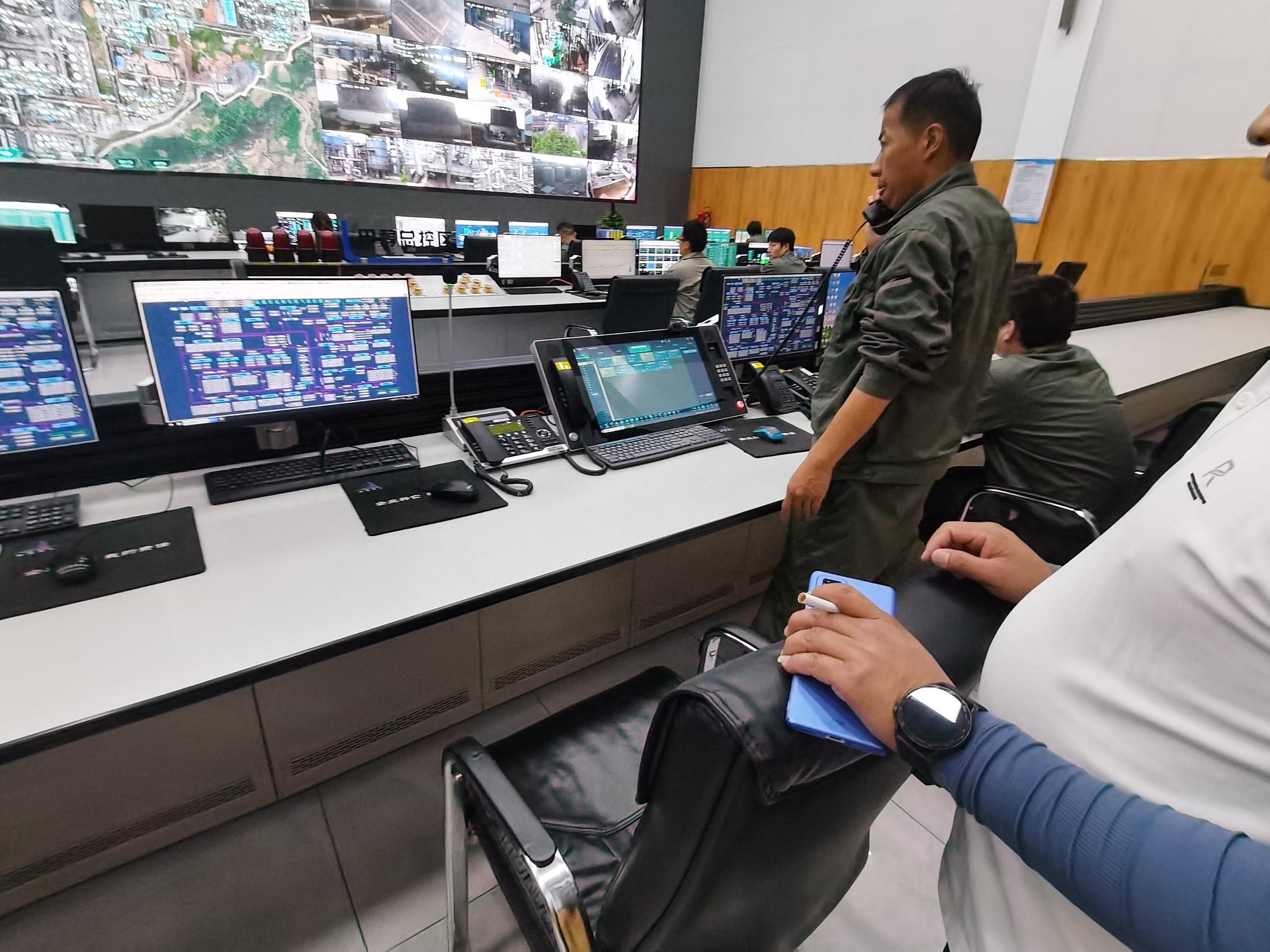
In mission-critical environments such as power utilities, public security, and emergency response organizations, reliable communication is essential for ensuring public safety and operational continuity. The Becke MTG200 is uniquely suited for these applications, as it enables interconnection between traditional TDM dispatch systems and modern IP dispatch platforms, ensuring reliable communication during critical emergency response operations.
The gateway's industrial-grade reliability, with support for 24/7 uninterrupted operation and compliance with ITU-T G.823 jitter tolerance standards, makes it suitable for deployment in environments where downtime is not an option. Its advanced routing capabilities enable priority call handling, ensuring that emergency calls are always routed with the highest priority and minimal delay.
In emergency command systems, the MTG200's key features include:
- Dispatch System Integration: Connect legacy TDM dispatch consoles with modern IP-based dispatch platforms, preserving existing infrastructure investments while adding advanced features such as video integration and location tracking.
- Group Call and Paging: Enable one-to-many communication for emergency announcements and coordination, with support for pre-configured group numbers and priority call override capabilities.
- Network Redundancy: Implement redundant gateway deployments with automatic failover to ensure communication continuity even in the event of hardware or network failures.
These capabilities make the MTG200 an essential component of emergency communication systems in industries such as energy, transportation, and public safety, where reliable communication can mean the difference between safety and disaster.
5. Competitive Advantages: Why Choose the Becke MTG200?
5.1 Cost Efficiency: Maximizing ROI Through Innovative Design
The Becke MTG200's most compelling competitive advantage is its exceptional cost efficiency, which delivers significant return on investment (ROI) through both upfront savings and long-term operational benefits. By replacing multiple specialized devices with a single integrated gateway, organizations can reduce network deployment costs by up to 50% while minimizing ongoing maintenance expenses.
The gateway's cost-saving benefits extend beyond hardware acquisition to include:
- Reduced Bandwidth Costs: Advanced voice compression technologies minimize bandwidth consumption for VoIP calls, reducing monthly internet service provider (ISP) expenses.
- Lower Long-Distance Charges: Routing calls through VoIP networks instead of traditional PSTN lines can reduce international and long-distance calling costs by up to 60%.
- Simplified Management: The gateway's centralized management interface reduces the need for specialized IT staff, lowering operational costs associated with network administration.
- Extended Equipment Lifespan: By enabling organizations to upgrade their communication infrastructure without replacing existing PBX systems, the MTG200 extends the lifespan of these investments by 5-10 years.
These cost-saving features make the MTG200 an ideal solution for organizations operating on tight budgets or looking to maximize the value of their technology investments.
5.2 Technical Superiority: Setting the Standard for Trunk Gateway Performance
The Becke MTG200 distinguishes itself from competing products through its technical superiority, which is evident in every aspect of its design and functionality. Its comprehensive protocol support, advanced voice processing capabilities, and robust security features set it apart as one of the most capable trunk gateways available on the market today.
Key technical advantages include:
- Universal Compatibility: Support for all major signaling protocols including ISDN PRI, SS7, and R2 MFC, ensuring interoperability with virtually any telecommunication infrastructure.
- Exceptional Voice Quality: Advanced echo cancellation, dynamic jitter buffer, and noise reduction technologies ensure crystal-clear communication even in challenging network conditions.
- Scalable Performance: Support for up to 4 E1 ports and 120 concurrent voice channels provides room for growth as organizational communication needs expand.
- Enterprise-Grade Reliability: Industrial-grade hardware design and compliance with international standards ensure 24/7 operation in mission-critical environments.
These technical advantages make the MTG200 suitable for organizations with demanding communication requirements that cannot be met by basic trunk gateway solutions.
5.3 Industry-Specific Solutions: Tailored to Meet Unique Business Needs
Unlike generic trunk gateways that offer one-size-fits-all functionality, the Becke MTG200 is designed with industry-specific requirements in mind, particularly for industrial communication and emergency command applications. Its robust construction, advanced routing capabilities, and compatibility with industrial communication protocols make it uniquely suited for deployment in harsh environments where standard communication equipment would fail.
For industrial organizations, the MTG200 offers:
- Explosion-Proof Design: Optional explosion-proof certification for deployment in hazardous environments such as oil refineries, chemical plants, and mining operations (subject to regional certification requirements).
- Industrial Protocol Support: Compatibility with protocols such as Modbus and DNP3 for integration with industrial control systems and SCADA networks.
- Harsh Environment Durability: Resistance to dust, moisture, and temperature extremes, ensuring reliable operation in challenging industrial settings.
These industry-specific features make the MTG200 an essential component of industrial communication systems, enabling organizations to maintain reliable communication even in the most demanding environments.
6. Conclusion: The Future of Communication is Here
The Becke MTG200 Series Digital VoIP Trunk Gateway represents a significant advancement in telecommunication technology, offering organizations a cost-effective, reliable, and feature-rich solution for transitioning from traditional PSTN networks to modern VoIP infrastructure. With its comprehensive protocol support, advanced voice processing capabilities, and robust security features, the MTG200 delivers exceptional value for businesses across industries, particularly in industrial communication and emergency command applications where reliability and performance are paramount.
What truly sets the MTG200 apart is its ability to balance innovation with practicality, enabling organizations to leverage the benefits of VoIP while maintaining connectivity with their existing telecommunication infrastructure. This seamless integration capability reduces the risk and cost of network modernization, making the MTG200 an ideal solution for organizations looking to stay ahead of the curve in an increasingly digital world.
As communication technology continues to evolve, the Becke MTG200 provides a future-proof foundation for organizational growth, with scalable performance and compatibility with emerging communication standards ensuring that it will remain a valuable asset for years to come. Whether you're a small business looking to reduce communication costs, a multinational corporation seeking to unify global communication, or an industrial organization requiring reliable communication in hazardous environments, the Becke MTG200 offers the perfect balance of functionality, performance, and value to meet your unique business needs.

 English
 Deutsch
 한국어
한국어 Русский
 Français
 日本語
日本語 لالعربية
 हिन्दी
 Español
 Português
 繁体中文
繁体中文 简体中文
简体中文