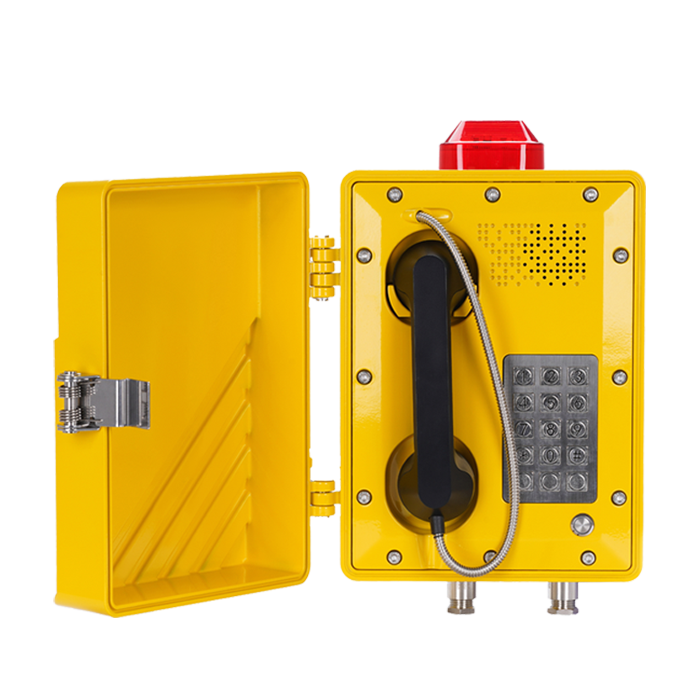
The Emergency Command and Dispatch System of Yunnan Dawei Coking Co., Ltd. (a subsidiary of Yunnan Qujing Coal & Coking Group) is a comprehensive safety management platform integrating intelligent monitoring, multi-department collaboration, and rapid emergency response. It is designed to address sudden incidents arising from hazardous chemical production. Based on publicly available information, the system is analyzed below in terms of architecture, functional modules, technical applications, and practical use cases.
I. System Architecture and Composition
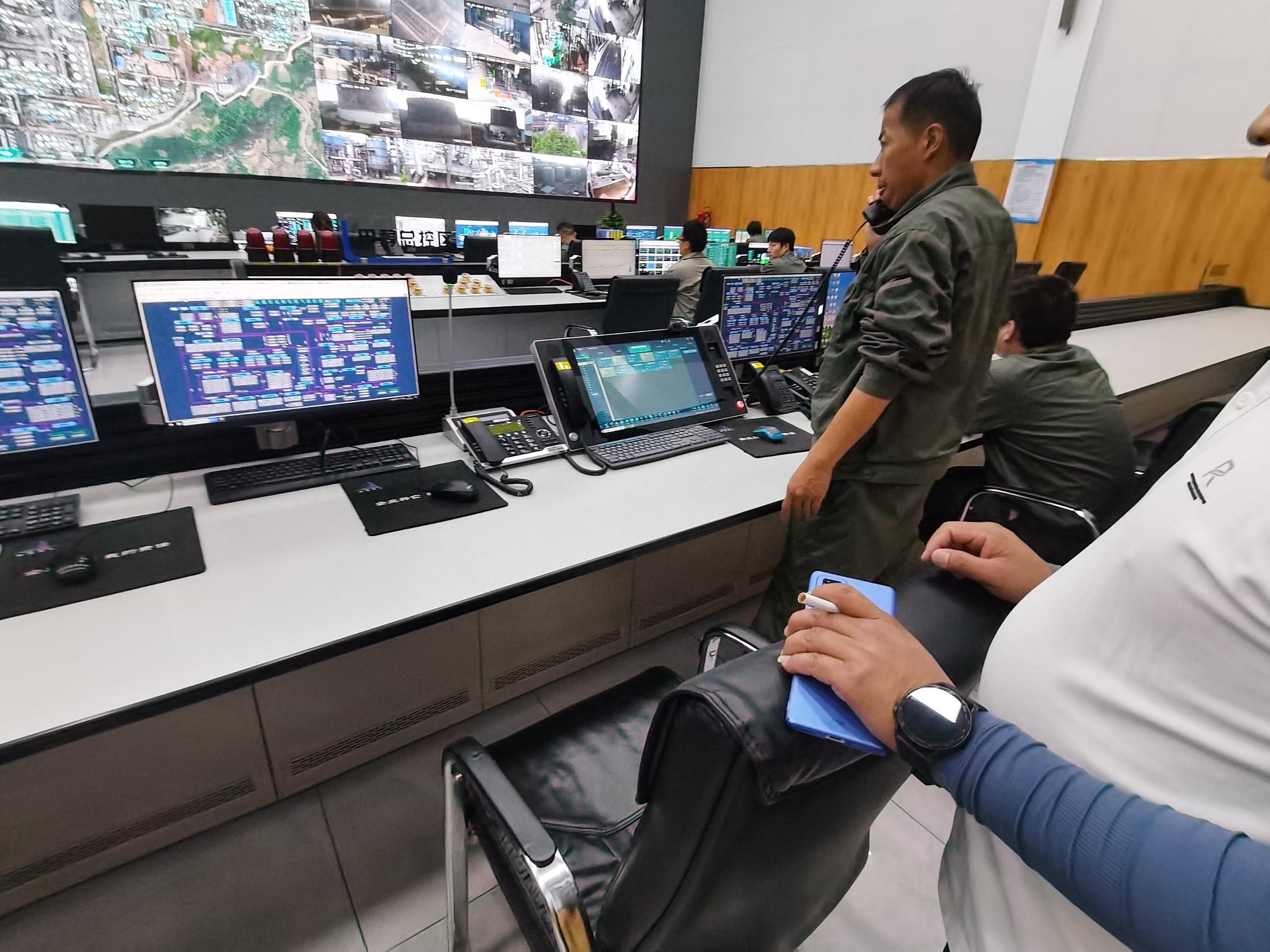
Command Center Construction
Park-Level Platform
The system relies on the intelligent management platform of Huashan Chemical Industrial Park in Qujing High-Tech Zone. It integrates six core modules, including safety information management, major hazard monitoring, special operation control, and agile emergency response. This platform enables real-time monitoring and data analysis of production areas and hazardous materials transportation vehicles.
Enterprise-Level Dispatch Center
Dawei Coking has established its own emergency command center equipped with large-screen visualization systems. It supports real-time video surveillance, sensor data feedback, and seamless interconnection with the park-level platform, ensuring unified command and information sharing.
Hardware and Network Infrastructure
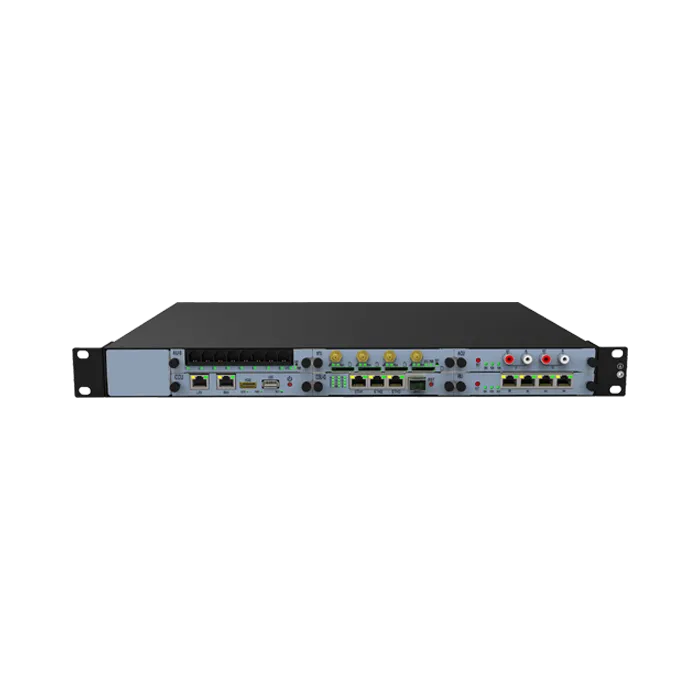
The system deploys high-performance server clusters, core switches, and storage systems to support high-concurrency data processing. A hybrid communication network combining wired (optical fiber/Ethernet) and wireless (4G/5G) technologies ensures stable and reliable communication coverage across complex industrial environments.
II. Core Functional Modules
Real-Time Monitoring and Early Warning
Major Hazard Monitoring
Key facilities such as methanol storage tanks and compressor rooms are monitored 24/7 through video surveillance and gas leakage detection. Threshold exceedance automatically triggers audible and visual alarms.
Transportation Management
GPS tracking devices are used to monitor hazardous material transport vehicles in real time, preventing risks such as speeding or route deviation.
Resource Dispatch and Task Management
Dynamic Resource Database
Emergency response teams, experts, vehicles, and medical resources are integrated into a centralized resource pool, enabling one-click dispatch.
Closed-Loop Task Management
Emergency response tasks (e.g., leak sealing or fire suppression) are automatically assigned to the nearest response teams. Task progress is tracked in real time and dynamically adjusted as conditions change.
Video Coordination
The system supports cross-department video collaboration among fire services, medical teams, and environmental authorities, enabling shared situational awareness and coordinated decision-making.
Multi-Level Command Collaboration
GIS-Based Positioning
Geographic Information Systems (GIS) display incident locations and responder positions, optimizing rescue routing and resource deployment.
III. Technical Support Framework
Intelligent Analysis and Decision Support
Big data models are used to simulate historical incidents such as chemical leaks and fires, generating optimized emergency response recommendations. AI algorithms analyze video feeds to detect anomalies such as personnel collapse, flames, or smoke, significantly reducing response times.
Multi-System Integration
The system is compatible with existing industrial control systems (e.g., DCS and SIS) and integrates sensor data including temperature, pressure, and gas concentration for unified monitoring. It is also connected to government emergency platforms, automatically reporting incidents to the Qujing Municipal Emergency Management Bureau and enabling coordinated government–enterprise response.
IV. Operational Mechanisms and Practical Applications
Routine Emergency Drills
Regular multi-scenario emergency drills are conducted. For example, in June 2024, a comprehensive methanol leakage drill simulated a chain of events including valve rupture, personnel poisoning, fire outbreak, and environmental pollution, testing three-level response mechanisms and interdepartmental coordination efficiency. Earlier drills in 2019 also validated emergency plans and strengthened employee self-rescue and dispatch coordination capabilities.
Employee Operations and System Interaction
Frontline teams are equipped with explosion-proof terminals that allow one-touch SOS alarms and real-time video upload from the现场. In actual cases, such as carbon monoxide leakage handling, the dispatch center automatically initiates emergency plans based on alarm levels, issuing shutdown and evacuation commands to minimize human error.
V. System Characteristics and Future Development
Agile Emergency Response
The system forms a closed loop from early warning to incident handling. During the 2024 drill, multi-department joint response was achieved within 15 minutes, demonstrating high operational efficiency.
Future Development Direction
Planned upgrades include deeper AI-based predictive models (such as leakage diffusion simulation), expanded IoT device coverage (including smart wearable equipment), and exploration of integrated applications combining industrial internet technologies with safety production management.
VI. Overview of System Functions
| Module | Key Functions |
|---|
| Real-Time Monitoring | Intelligent video analysis, sensor threshold alarms, hazardous material vehicle tracking |
| Resource Dispatch | Dynamic task allocation, GIS-based rescue deployment, material inventory management |
| Command Collaboration | Cross-department video conferencing, emergency plan sharing, multi-channel command delivery (SMS, broadcast, APP) |
| Data Analysis | Incident simulation, risk heat map generation, response effectiveness evaluation |
Conclusion
Through a combination of technology-driven solutions and coordinated operational mechanisms, Dawei Coking’s emergency command and dispatch system has significantly enhanced risk prevention and control capabilities in hazardous chemical production. Its deep integration with government emergency platforms—such as Qujing’s “Integrated Emergency Response System”—provides a valuable reference model for the chemical industry. Future efforts should further strengthen predictive maintenance and edge computing applications to address increasingly complex production environments.

 English
 Deutsch
 한국어
한국어 Русский
 Français
 日本語
日本語 لالعربية
 हिन्दी
 Español
 Português
 繁体中文
繁体中文 简体中文
简体中文