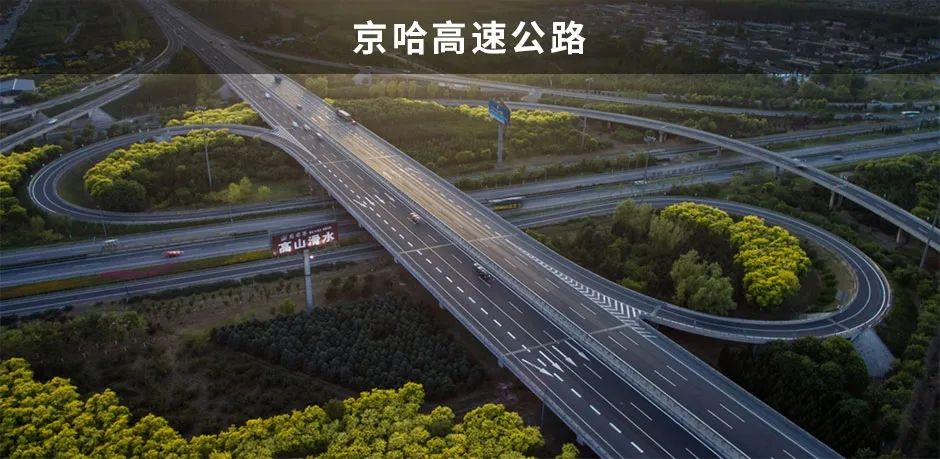
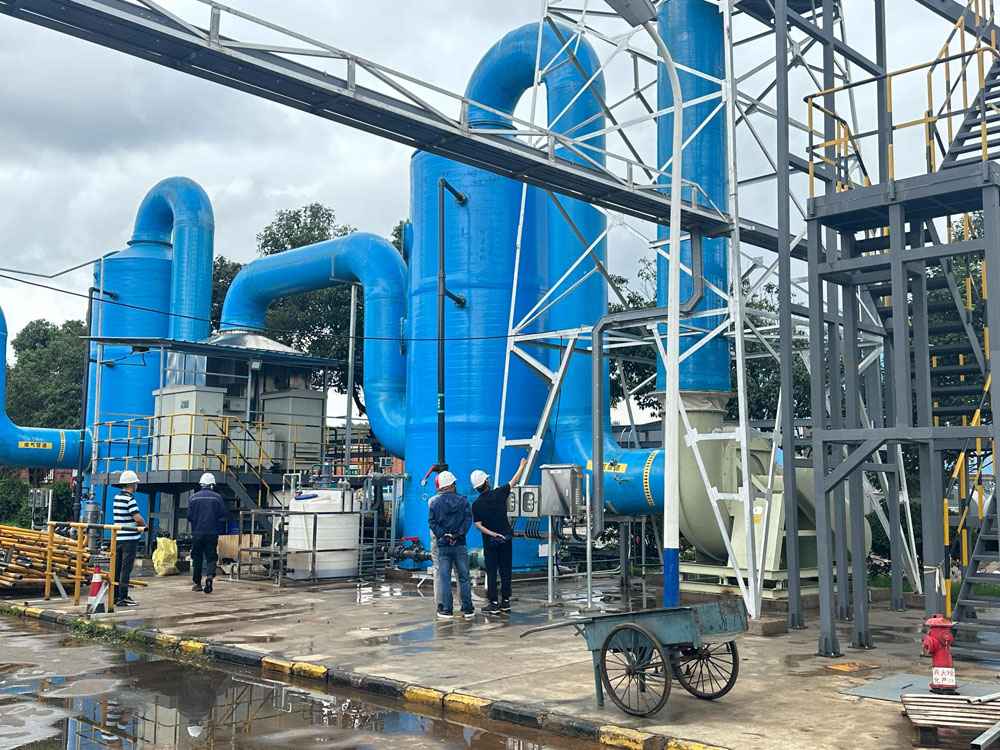
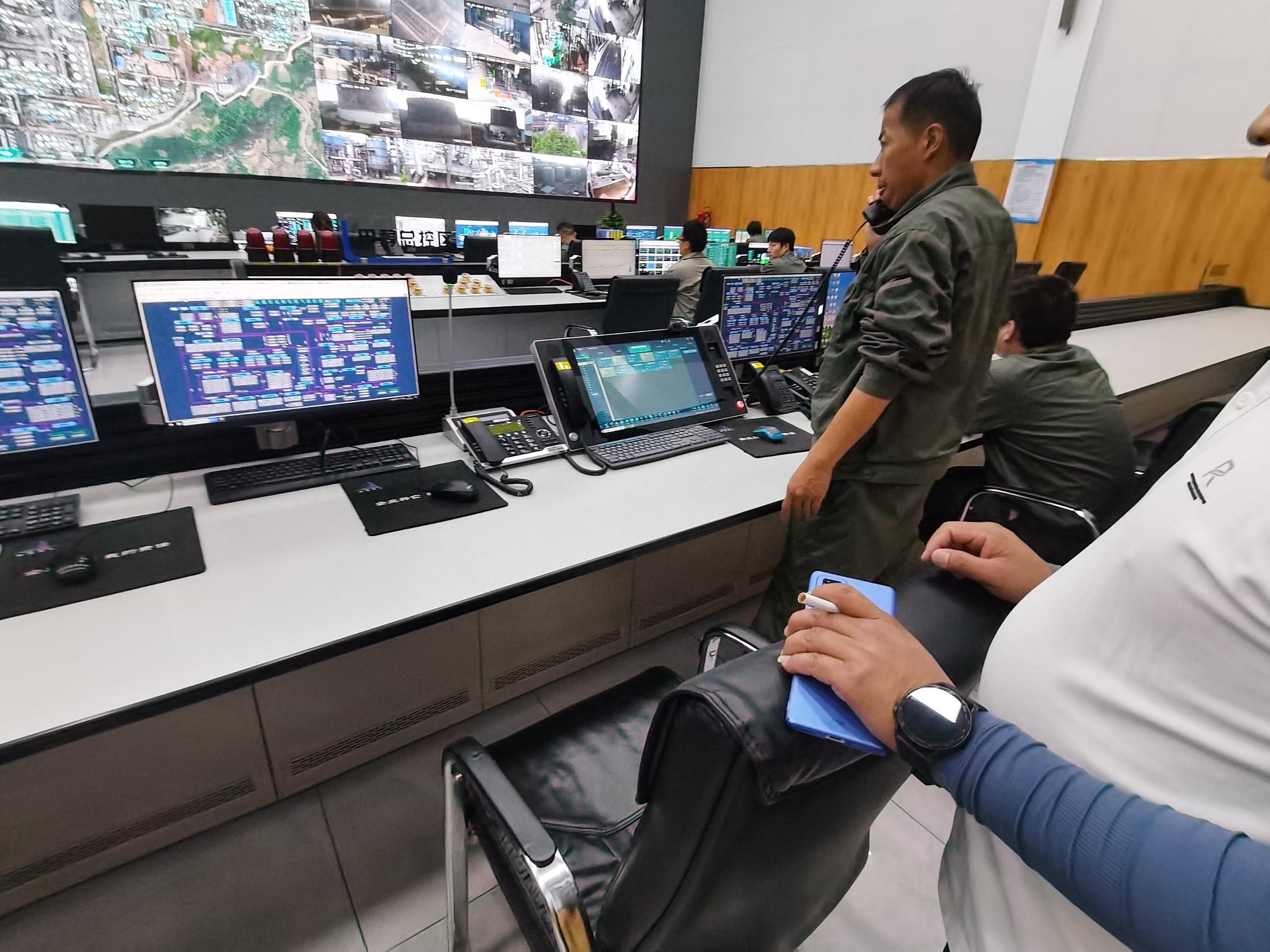
In various industrial scenarios such as mines, chemical plants, power stations, ports, tunnels, and steel mills, the industrial telephone is the core infrastructure equipment ensuring on-site operational communication, emergency dispatch, and safety coordination. Unlike ordinary civilian telephones, their application environments typically involve complex operating conditions like high noise, strong electromagnetic interference, high dust levels, moisture, corrosion, and extreme temperature differences. This imposes stringent requirements on the stability and clarity of voice transmission, far exceeding those for civilian equipment. Voice clarity, as the core performance indicator of industrial telephones, directly determines the accuracy of instruction transmission, the efficiency of operational communication, and, crucially, personnel safety and the effectiveness of risk handling in emergency scenarios. The user experience surrounding voice interaction determines the device's practical ease of use, environmental adaptability, and long-term reliability. It is a core dimension that cannot be ignored in B-end procurement selection, engineering deployment, and daily operation and maintenance.
This article will start with the technical definition, core evaluation standards, and influencing factors of voice clarity for industrial telephones. Combined with user experience pain points in various industrial scenarios, it will deeply analyze the mechanisms of the four core modules—hardware, software, transmission, and environment—on call quality. It will also provide targeted selection suggestions, deployment optimizations, and maintenance solutions.
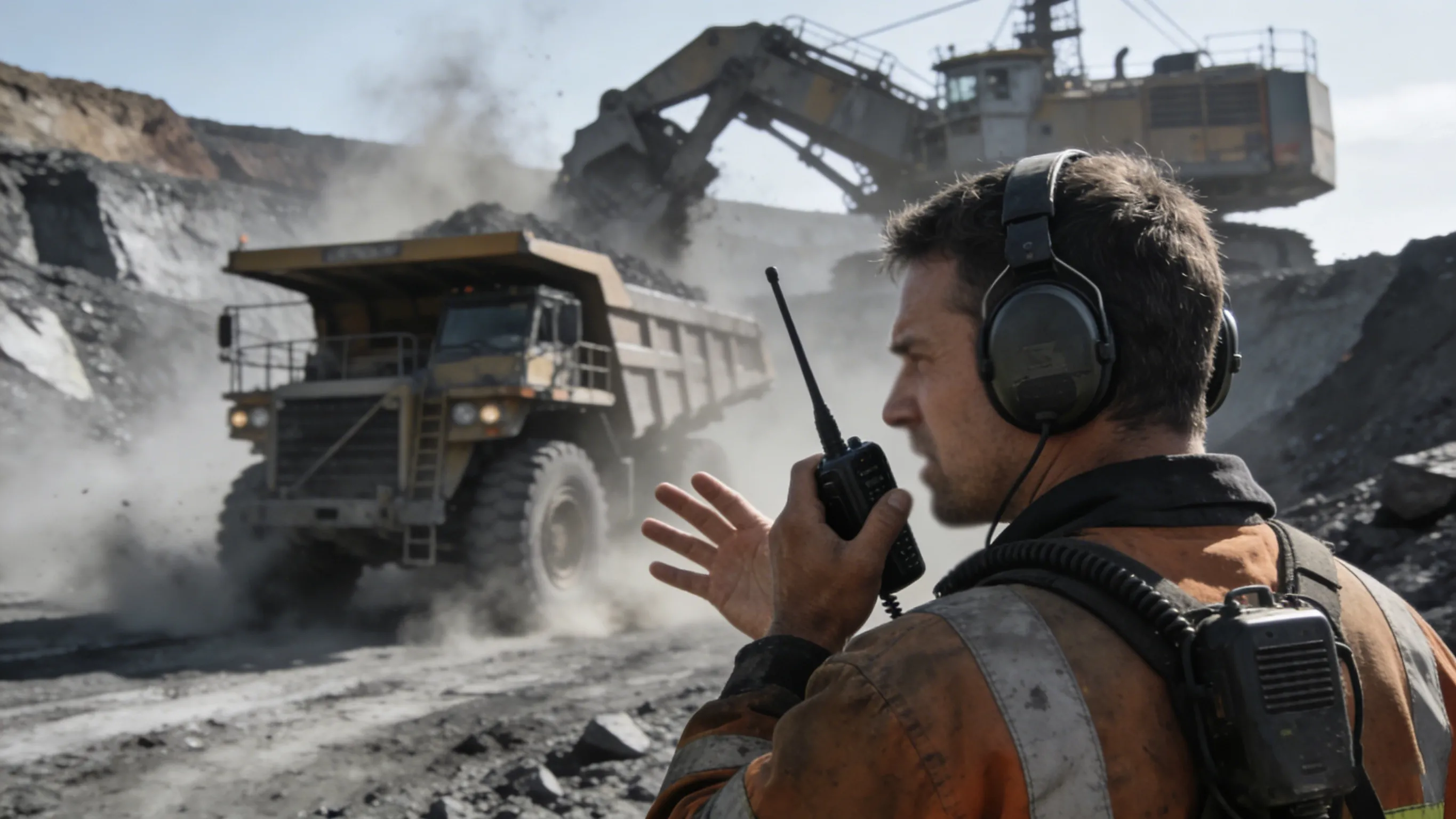
I. Industrial Telephone Voice Clarity: Core Definition and Industry Evaluation Standards
1.1 What is Industrial Telephone Voice Clarity?
Voice clarity refers to the degree to which the receiver can accurately identify and understand the content of the sender's voice during a call. For industrial telephones, it is not simply about "loud sound," but rather the fidelity, intelligibility, and continuity of the voice signal after removing interference factors such as environmental noise, electromagnetic interference, and transmission loss in complex industrial environments. Voice clarity in civilian scenarios only needs to meet daily communication needs. In industrial scenarios, the core requirement is that key instructions, professional terminology, and emergency information are transmitted without distortion, ambiguity, or omission, enabling clear calls even in high-noise workshops above 100dB, substations with strong electromagnetic interference, or deep tunnels with signal attenuation.
The voice clarity of an industrial telephone is essentially the integrity of the entire chain of voice signal acquisition, encoding, transmission, decoding, and playback. It involves multiple technical aspects such as acoustic design, signal processing, communication protocols, and hardware materials. It is a core benchmark for measuring the professionalism of industrial communication equipment and a key indicator distinguishing ordinary telephones from industrial-grade ones.
1.2 Core Evaluation Indicators for Voice Clarity (Industrial Scenario Specific)
1.2.1 Mean Opinion Score (MOS)
MOS is an internationally accepted subjective evaluation standard for voice quality, with a full score of 5. The higher the score, the better the voice quality. Industrial telephones have clear industry requirements for MOS: ordinary civilian telephones typically score between 3.0-3.5, sufficient for basic communication; industrial-grade telephones need to achieve 4.0 points or higher, with high-end noise-canceling and explosion-proof models needing to reach 4.2-4.5 points to meet the clear call requirements of harsh industrial environments. MOS comprehensively considers voice distortion, noise suppression effect, and transmission stability, making it the most intuitive voice quality reference indicator during procurement selection.
1.2.2 Signal-to-Noise Ratio (SNR)
Signal-to-Noise Ratio is the ratio of voice signal strength to environmental noise strength, measured in dB. The higher the SNR value, the more prominent the voice signal and the smaller the noise interference. Industrial environments commonly have ambient noise levels of 60-110dB (e.g., fan operation, mechanical stamping, ship engine noise). Industrial telephones need to possess a high SNR of ≥40dB. High-end noise-canceling models can achieve 50-60dB, effectively filtering background noise through hardware noise reduction and algorithm optimization, preserving the pure voice signal.
1.2.3 Speech Transmission Index (STI)
STI is a professional indicator for objectively evaluating voice clarity, ranging from 0 to 1. The closer the value is to 1, the higher the clarity. In industrial scenarios, STI values are prone to decrease due to spatial echoes, equipment obstruction, and transmission attenuation. Qualified industrial telephones must ensure STI ≥ 0.6. For emergency dispatch and high-risk operation scenarios, it needs to reach above 0.7 to ensure voice content is clear, without ambiguity or reverberation, allowing the receiver to identify it quickly and accurately.
1.2.4 Noise Cancellation and Echo Cancellation Indicators
Industrial telephones need targeted noise cancellation and echo cancellation performance. Core indicators include: Noise Suppression Depth (≥30dB), Echo Cancellation Delay (≤10ms), and full-duplex communication without crosstalk. For high-noise scenarios, the device needs to support directional pickup, capturing only close-range voice signals and shielding distant environmental noise. Simultaneously, through a hardware echo cancellation module, it avoids echoes and howling during calls, ensuring clarity in two-way communication.
1.3 Core Differences in Voice Clarity Between Industrial and Civilian Telephones
Civilian telephones focus on daily communication in quiet environments, emphasizing lightweight design and low cost, with no dedicated noise reduction or anti-interference design. Industrial telephones are optimized for harsh operating conditions, with core differences in three aspects: First, at the hardware level, they use industrial-grade microphones and speakers, featuring waterproof, dustproof, impact-resistant, and corrosion-resistant characteristics, adapting to extreme environments. Second, at the signal processing level, they are equipped with dedicated noise reduction chips and echo cancellation algorithms to handle high noise and strong interference. Third, at the transmission level, they support multiple formats like analog, IP, and optical fiber, adapting to the complex wiring and signal transmission needs of industrial sites, consistently ensuring stable voice clarity.
II. Core Dimensions of User Experience in Industrial Scenarios
2.1 Core Positioning of Industrial Telephone User Experience
The user experience of industrial telephones is entirely different from the convenience and entertainment attributes of civilian devices. Its core is industrial-grade practicality, safety, reliability, and ease of operation, serving three core user groups: on-site operators, dispatchers, and maintenance personnel. It balances daily communication efficiency with rapid response in emergency scenarios. The quality of the user experience directly affects the device's utilization rate, maintenance costs, and even operational safety. It is a core element that must be considered during procurement and deployment, not merely an additional feature.
2.2 Five Core Dimensions of Industrial User Experience
2.2.1 Environmental Adaptation Experience
Industrial environments are complex and variable, requiring devices to possess strong environmental adaptability, which is the foundation of user experience: Protection level must reach IP65 or higher, with IP67/IP68 needed for high-end scenarios (e.g., open ports, underground mines) for waterproof, dustproof, and splash-proof capabilities; temperature range should cover -40℃ to +70℃, adapting to severe cold and high-temperature conditions; possess salt spray resistance and corrosion resistance for corrosive environments like chemical plants and docks; explosion-proof models must meet certifications such as Ex ib IIB T4, Ex d IIC T6, suitable for flammable and explosive high-risk scenarios, ensuring stable operation in various environments without affecting voice call functionality.
2.2.2 Operation Interaction Experience
On-site operators often wear safety helmets and protective gloves; some high-risk scenarios require heavy protective suits. Therefore, the operation design of industrial telephones must be extremely simple and convenient: Buttons should be large, with raised dot design, non-slip and easy to press, supporting operation with gloves; support one-key direct dialing, emergency calls, broadcast intercom, and other quick functions, eliminating complex dialing and enabling rapid call initiation in emergencies; the handset should be made of non-slip, impact-resistant materials, comfortable to hold, reducing fatigue during long calls; hands-free speaker volume should be adjustable to suit the external playback needs of different noise environments, avoiding delays due to cumbersome operation.
2.2.3 Call Stability Experience
Industrial communication abhors call interruptions, stuttering, or breaks, especially in dispatch instructions and emergency alarm scenarios. Call stability directly impacts operational progress and safety. Industrial telephones must support anti-electromagnetic interference to prevent signal interference from workshop motors, frequency converters, and substation equipment. The transmission link should have redundant design: analog lines resistant to attenuation, IP lines supporting QoS priority assurance, and optical fiber transmission free from electromagnetic interference, ensuring smooth, uninterrupted calls throughout, with no packet loss or delay in voice signals.
2.2.4 Maintenance and Durability Experience
Industrial equipment needs to run continuously for long periods. User experience includes the convenience and durability of long-term maintenance: The housing should be made of high-strength metal or engineering plastic, impact-resistant, and resistant to vandalism, with a service life of 5-10 years; button lifespan ≥ 500,000 times, suitable for high-frequency use; support multiple power supply modes like PoE and DC power, offering flexible wiring and reducing installation difficulty; feature fault self-diagnosis and line detection functions, enabling maintenance personnel to quickly troubleshoot issues, reducing downtime for maintenance, and lowering long-term operational costs.
2.2.5 Emergency Coordination Experience
Emergency communication in high-risk industrial scenarios is a core requirement. User experience must cover the entire emergency process: Support audible and visual alarm functions—strobe light flashing + high-decibel ringing upon incoming call for quick alerts in noisy environments; support multi-party calls and dispatch broadcasts, one-key linkage with the control room and on-site teams; automatic reconnection upon line disconnection, priority access for emergency calls, ensuring emergency information is transmitted first; some models support hands-free auto-answer, enabling remote broadcast dispatching without personnel on-site, suitable for emergency rescue and fault handling scenarios.

III. Core Factors Affecting Industrial Telephone Voice Clarity and User Experience
3.1 Hardware Configuration: The Fundamental Foundation Determining the Upper Limit of Voice Quality
3.1.1 Pickup and Playback Hardware
The microphone and speaker are the entry and exit points of the voice signal, directly determining clarity: Ordinary civilian microphones are omnidirectional, easily picking up large amounts of environmental noise. Industrial-grade microphones use directional electret microphones or dual-microphone noise reduction designs, accurately capturing close-range voice signals and shielding background noise. Speakers use industrial-grade high-fidelity drivers with high power and low distortion characteristics, capable of outputting 90-110dB, allowing clear voice playback even in high-noise environments. If inferior pickup and playback hardware is used, even with good algorithms, high-definition calls cannot be achieved. It is also prone to issues like static noise, howling, and insufficient volume, significantly degrading the user experience.
3.1.2 Signal Processing Chip
The core computing power of an industrial telephone is supported by the signal processing chip. Dedicated voice noise reduction chips and echo cancellation chips can process voice signals in real-time, filtering noise, eliminating echoes, and compensating for signal attenuation. Low-cost models using ordinary civilian chips lack dedicated signal processing capabilities, making them highly susceptible to voice blurring, distortion, and interruption in industrial environments. Furthermore, the industrial-grade quality of the chip determines the device's operational stability under extreme temperatures and electromagnetic interference, indirectly affecting call smoothness and user experience.
3.1.3 Housing Structure and Material
The housing's sealing design and material selection affect both environmental adaptability and voice clarity: Poor sealing allows dust and moisture to enter the device, damaging the circuit board and acoustic components, causing call static. If the housing material has poor anti-interference properties, it is susceptible to electromagnetic signal interference, leading to voice signal distortion. Additionally, an improperly designed acoustic cavity within the housing can cause echoes and reverberation, reducing voice intelligibility. Only by adopting a fully sealed, anti-interference, high-strength industrial-grade structural design can both hardware durability and voice signal purity be ensured.
3.2 Software and Algorithms: Optimization and Upgrades, Compensating for Environmental and Hardware Shortcomings
3.2.1 Intelligent Noise Reduction Algorithms
Environmental noise in industrial scenarios is divided into steady-state noise (e.g., motor operation) and non-steady-state noise (e.g., mechanical impacts). High-quality industrial telephones are equipped with adaptive noise reduction algorithms that can automatically identify the noise type and suppress interference accordingly while preserving the voice signal. Some high-end models utilize AI neural network noise reduction technology, capable of accurately distinguishing human voice from noise, offering higher noise suppression depth. This is particularly suitable for low-bitrate and weak network environments, significantly enhancing voice clarity. Models without algorithm optimization can only simply amplify the volume, amplifying both noise and voice simultaneously, failing to achieve effective clear communication.
3.2.2 Echo Cancellation and Gain Control Algorithms
In hands-free calls and amplified intercom scenarios, echoes and howling are prone to occur. Automatic echo cancellation algorithms can quickly capture the echo signal and cancel the interference in reverse, ensuring clear two-way communication. Automatic Gain Control (AGC) algorithms can automatically adjust the volume based on the strength of the voice signal, preventing the sound from fluctuating, adapting to pickup needs at different distances, improving call comfort and intelligibility, and optimizing the practical experience.
3.2.3 Transmission Protocol Optimization
IP industrial telephones rely on network transmission; protocol optimization directly affects voice stability: Support mainstream voice coding protocols such as G.711, G.729, and OPUS, balancing voice quality and bandwidth usage. Enable QoS (Quality of Service) to prioritize the transmission of voice data packets, avoiding stuttering and packet loss caused by network congestion. Support jitter buffering and packet loss compensation technologies to compensate for transmission losses, ensuring voice clarity remains unaffected in weak network or long-distance transmission scenarios.
3.3 Transmission Link and Deployment Environment: External Conditions Determining Voice Stability
3.3.1 Differences in Transmission Methods
Common transmission methods for industrial telephones include analog transmission, IP network transmission, and optical fiber transmission, each with its pros and cons: Analog transmission has strong anti-interference and low latency, suitable for short distances and non-network scenarios, but is prone to attenuation over long distances. IP transmission offers flexible wiring and rich functionality, suitable for digital dispatch systems, but is susceptible to network bandwidth and congestion. Optical fiber transmission has no electromagnetic interference, long transmission distance, and no signal attenuation, suitable for strong electromagnetic interference and long-distance scenarios, but wiring costs are higher. During selection and deployment, the on-site transmission conditions must be matched; otherwise, signal loss and voice interruption can easily occur, affecting clarity and experience.
3.3.2 Environmental Interference Factors
Electromagnetic interference on industrial sites (substations, motor equipment), spatial obstruction (tunnels, underground mines, workshop equipment barriers), noise intensity, temperature and humidity, and corrosive gases are all external factors affecting voice quality. Electromagnetic interference can cause signal distortion, spatial obstruction can weaken the transmission signal, high noise can mask the voice signal, and extreme temperature/humidity can damage hardware. If deployment does not avoid strong interference sources and lacks protective measures, even high-end industrial telephones cannot perform optimally.
3.3.3 Installation and Wiring Specifications
Installation positions that are too high, too low, or near noise/interference sources can affect pickup and playback effects. Non-standard wiring, such as running transmission lines parallel to power lines, can easily induce electromagnetic interference. Aged cables and loose connectors can lead to signal attenuation and poor contact, causing call static and interruptions. Standardized installation and wiring are necessary prerequisites for ensuring voice clarity and user experience, and are core points in the maintenance link.
3.4 Operation and Maintenance: Long-Term Assurance for Maintaining Performance Stability
Industrial telephones operate in harsh environments for long periods. Without regular maintenance, acoustic components can accumulate dust, sealing rings can age, and cables can loosen, leading to decreased voice clarity and frequent equipment failures. Lack of routine cleaning, waterproof checks, and line detection can cause initially excellent equipment performance to gradually degrade, and user experience to continuously decline. Therefore, regular maintenance is a key link in maintaining voice quality and equipment lifespan.
IV. Voice Clarity and User Experience Pain Points and Adaptation Solutions in Different Industrial Scenarios
4.1 High Noise Scenarios (Steel Mills, Ports, Mines, Fan Rooms)
Core Pain Points: Ambient noise reaches 90-110dB. Ordinary devices have high static during calls, making instructions unclear and prone to operational errors. Personnel wear protective gear, making operation inconvenient.
Adaptation Solution: Choose dual-microphone noise reduction, high SNR (≥50dB) noise-canceling industrial telephones, equipped with high-power speakers and directional microphones. Support one-key hands-free and audible/visual alarms for quick call identification in noisy environments. Housing with IP66 or higher protection level, resistant to dust and impact, suitable for high-frequency use in harsh environments.
4.2 Strong Electromagnetic Interference Scenarios (Substations, Power Plants, Electrified Workshops)
Core Pain Points: Severe electromagnetic signal interference, causing static, howling, and signal interruption during calls, resulting in extremely poor voice clarity. Ordinary devices are susceptible to interference and system crashes, lacking stability.
Adaptation Solution: Choose industrial telephones with electromagnetic shielding design, supporting optical fiber transmission or anti-interference analog lines. Equipped with dedicated signal processing chips to shield electromagnetic interference. Prioritize wired transmission to avoid wireless signal interference, ensuring stable, distortion-free calls throughout.
4.3 High-Risk Flammable and Explosive Scenarios (Chemical Parks, Gas Stations, Underground Coal Mines)
Core Pain Points: Equipment must have explosion-proof certification, be spark-free, and static-free, while ensuring call clarity. Environments are humid and corrosive, making equipment prone to damage.
Adaptation Solution: Choose explosion-proof industrial telephones with official explosion-proof certification, protection level IP67 or higher, corrosion-resistant, and moisture-proof. Use intrinsically safe circuit design to eliminate spark hazards. Incorporate noise reduction and echo cancellation functions to balance explosion-proof performance and voice clarity.
4.4 Long-Distance/Confined Scenarios (Tunnels, Mines, Long Pipelines)
Core Pain Points: Long transmission distances cause severe signal attenuation. Confined spaces create large echoes, making voice unclear. Some areas lack network connectivity, making wiring difficult.
Adaptation Solution: For long distances, choose optical fiber transmission industrial telephones with no signal attenuation. Optimize echo cancellation algorithms for confined spaces to reduce reverberation interference. For non-network areas, choose analog industrial telephones compatible with traditional wiring to ensure basic clear calls.
4.5 Outdoor Extreme Environments (Open Docks, Remote Oil Fields, Mountain Base Stations)
Core Pain Points: Exposure to wind and rain, extreme temperature differences, salt spray corrosion, leading to equipment aging. Outdoor noise is complex, and signal transmission is prone to obstruction.
Adaptation Solution: Choose outdoor industrial telephones with IP68 protection level, wide temperature range (-40℃~+70℃), and salt spray corrosion resistance. Housing made of stainless steel or high-strength anti-corrosion materials. Support PoE power supply to simplify outdoor wiring, ensuring 24/7 stable calls with voice clarity unaffected by the environment.
V. Industrial Telephone Selection: Core Points Balancing Voice Clarity and User Experience
5.1 Core Selection Indicators for B-End Procurement
- Core Voice Performance: Prioritize checking MOS score (≥4.0), SNR (≥40dB), and noise reduction depth (≥30dB). Confirm suitability for the scenario's noise and interference environment to avoid blindly pursuing low prices at the expense of voice quality.
- Environmental Adaptation Certifications: Choose corresponding protection levels (IP65 and above), explosion-proof certifications, and temperature ranges based on the scenario. Ensure the device operates stably for a long time in the field environment without hardware failures affecting calls.
- Transmission Format Matching: Select analog, IP, or optical fiber transmission based on on-site wiring conditions and digital dispatch needs. For IP models, confirm bandwidth adaptation and QoS support. For analog models, confirm line anti-attenuation performance.
- Operation and Emergency Functions: Prioritize large buttons operable with gloves, one-key direct dialing, and emergency alarm functions. High-risk scenarios additionally require support for broadcast intercom and multi-party calls to enhance emergency coordination experience.
- Brand and After-Sales Service: Choose a professional brand in industrial communication. Confirm product warranty, maintenance support, and technical services to avoid inferior products with high long-term maintenance costs and rapid performance degradation.
5.2 Engineer Deployment Optimization Suggestions
During deployment, avoid strong noise sources and strong electromagnetic interference sources. Choose installation positions reasonably to ensure unobstructed pickup and playback. Separate transmission lines from power lines during wiring to avoid electromagnetic interference. For IP models, configure network QoS properly to prioritize voice data packet transmission. In outdoor or humid scenarios, ensure proper waterproof sealing and install protective sleeves at connectors. During commissioning, test call clarity, noise suppression, and echo cancellation effects on-site to ensure they meet scenario requirements.
5.3 Long-Term Maintenance Plan
Regularly clean the dust covers of microphones and speakers to remove dust and debris, preventing blockage that affects pickup and playback. Check sealing rings and cable connectors every six months, replacing aged parts to prevent moisture and dust ingress. Regularly test call quality, investigate issues like static or interruption, and repair faults promptly. Increase inspection frequency in high-risk scenarios to ensure equipment operates normally 24/7, maintaining stable voice clarity and user experience.
VI. Trends in Industrial Telephone Voice and Experience Upgrades
With the digital and intelligent transformation of industry, the voice clarity and user experience of industrial telephones are continuously upgrading. Future core trends are reflected in three aspects: First, the deep application of AI noise reduction technology. Intelligent noise reduction based on neural network algorithms can adapt to more complex noise environments, further improving voice clarity, maintaining high MOS scores even in weak network and low-bitrate scenarios. Second, human-machine interaction becomes more tailored to industrial scenarios, supporting voice dialing, touchless operation, and intelligent dispatch integration, making operation more convenient and emergency response more efficient. Third, integrated protection and intelligent maintenance. Devices come with built-in fault self-diagnosis and voice quality detection functions, allowing maintenance personnel to remotely monitor status. Simultaneously, housing protection and acoustic design are deeply integrated, achieving a dual improvement in durability and voice performance.
VII. Conclusion
The voice clarity of industrial telephones is the core foundation ensuring precise and efficient industrial communication, while user experience is the key support for equipment adaptation to industrial scenarios and achieving long-term reliable operation. The two complement each other and are indispensable. For B-end procurement, focusing solely on price and basic functions is insufficient. It is necessary to combine scenario noise, interference, environment, and operational needs, comprehensively considering voice performance, environmental adaptation, ease of operation, and maintenance costs. For engineers and maintenance personnel, standardized deployment and regular maintenance are essential to maximize equipment performance and prevent external factors from affecting voice clarity and user experience.
Under the core demands of industrial safety production and efficient operation, superior voice clarity and scenario-adapted user experience can not only enhance on-site communication efficiency and reduce the risk of operational errors but also strengthen the emergency communication line, safeguarding personnel safety and production stability. Only by controlling the entire process from technical selection, deployment optimization, to long-term maintenance can a communication system tailored to one's own industrial scenario be built, allowing industrial telephones to truly fulfill their core communication value.

 English
 Deutsch
 한국어
한국어 Русский
 Français
 日本語
日本語 لالعربية
 हिन्दी
 Español
 Português
 繁体中文
繁体中文 简体中文
简体中文