In high-risk industrial scenarios with flammable and explosive gases, dust, and corrosive media such as petrochemical plants, underground coal mines, utility tunnels, ports, and metallurgical workshops, conventional communication equipment cannot meet the requirements for safe operation. In the event of sudden accidents like fires, leaks, potential explosions, or geological disasters, the efficiency of information transmission for personnel evacuation, on-site command, and emergency dispatch directly determines the effectiveness of accident handling and the safety of personnel and property. As a specialized industrial communication device, the emergency evacuation broadcast function of explosion-proof telephones is the core module that bridges the "last mile" of emergency information, enabling rapid evacuation of all personnel and unified command. It is also a standard feature in emergency communication systems for various high-risk locations.
Different from ordinary office broadcasting systems, the emergency evacuation broadcast function of explosion-proof telephones is not merely voice amplification. It is an integrated solution that combines multiple technologies such as explosion-proof safety design, emergency trigger mechanisms, zoned broadcast control, long-distance transmission, and noise-resistant amplification. It must not only meet mandatory national explosion-proof standards but also ensure voice transmission clarity and equipment stability under extreme environments, while adapting to the emergency command procedures of industrial sites.
The emergency evacuation broadcast function of an explosion-proof telephone refers to a dedicated function integrated into the explosion-proof telephone terminal or the supporting explosion-proof communication dispatch system. It can be activated via one-key trigger, automatic linkage, remote control, etc., to achieve single-unit, zoned, or full-site voice broadcast announcements, emergency notification playback, and evacuation instruction delivery. Relying on explosion-proof amplification components, dedicated communication chips, and safety circuit design, this function can operate without sparks or high-temperature risks in explosive gas atmospheres (IIA, IIB, IIC levels) and combustible dust environments. It ensures that the device does not become an ignition source during emergencies, while clearly transmitting evacuation instructions, safety tips, and rescue information from the command center to every corner of the work area. This addresses the emergency communication pain points in high-risk scenarios, such as dispersed personnel, high noise, numerous communication blind spots, and the inability to use conventional equipment.
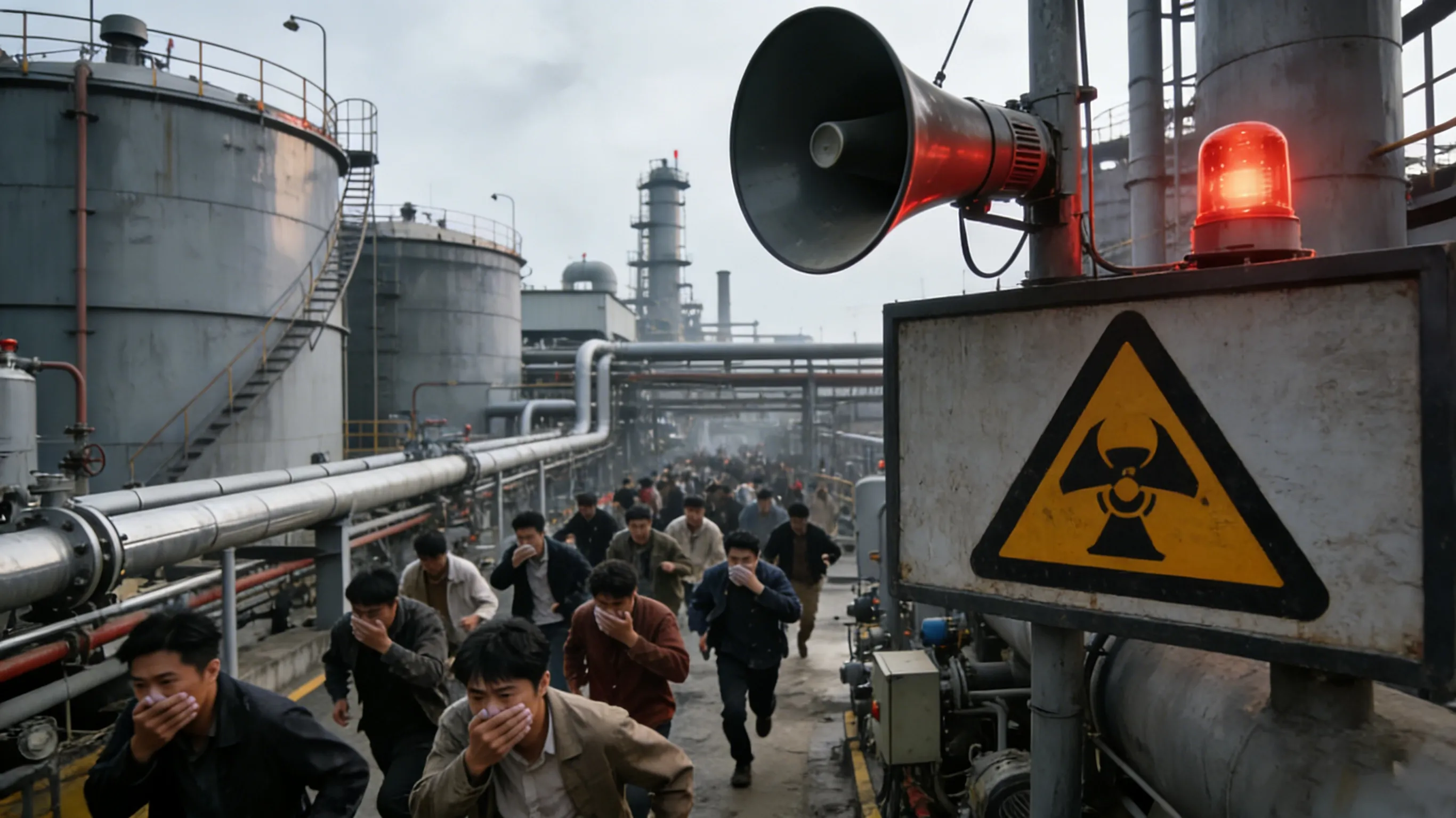
Industrial high-risk scenarios are often characterized by confined spaces, high noise levels, scattered personnel, and high risks of flammability and explosion. Conventional two-way radios and standard broadcasting equipment often fail to meet explosion-proof standards, suffer from signal interference, poor audio quality, and are prone to damage. In emergencies, information transmission failure is highly likely. The emergency evacuation broadcast function of explosion-proof telephones offers three irreplaceable core values:
- Safety Compliance as a Foundation: The equipment is certified by the National Center for Quality Supervision and Testing of Explosion-Proof Electrical Products, complies with the GB 3836 series of explosion-proof standards, avoids the safety risk of the equipment itself causing explosions or fires, and meets the mandatory compliance requirements for industry safety production and emergency management.
- Accelerated Emergency Response: Supports one-key trigger and multi-channel linkage activation, requiring no complex operation. The command center or on-site safety officers can quickly initiate broadcasts, significantly reducing emergency instruction transmission time and seizing the critical window for accident handling. Data shows that standardized deployment of emergency broadcasts can increase personnel evacuation efficiency by over 40% and reduce the risk of accident casualties.
- Comprehensive Information Coverage: Paired with high-power explosion-proof loudspeakers and long-distance transmission lines, it can cover weak communication areas such as tunnels, pipe galleries, workshops, and tank farms, penetrating interference like equipment roar and mechanical noise. This ensures voice instructions are clear and distinguishable, preventing personnel from being stranded or taking blind risks due to information failure.
Core Technology and Functional Module Breakdown of Explosion-Proof Telephone Emergency Evacuation Broadcast
The emergency evacuation broadcast function of an explosion-proof telephone is not a simple hardware addition but a collaborative operation of five major modules: hardware explosion-proof design, software control logic, transmission protocols, amplification components, and trigger mechanisms. The overall technology is designed around four core objectives: "explosion-proof safety, stable transmission, clear amplification, and rapid triggering," adapting to the extreme operating conditions of industrial sites.
Core Explosion-Proof Technology: The Foundation for Safe Broadcast Function Operation
Explosion-proof performance is a prerequisite for the emergency evacuation broadcast function. Equipment that does not meet explosion-proof design standards is strictly prohibited from use in high-risk scenarios, even if it possesses broadcast capabilities. Currently, mainstream explosion-proof telephones use two core explosion-proof structures, suitable for different hazard level scenarios:
Flameproof Enclosure (Ex d) Design
Flameproof enclosure is the most common explosion-proof type for telephones, mainly suitable for IIB and IIC level explosive gas atmospheres. Its core principle is to use thickened, high-strength aluminum alloy or stainless steel housings to completely seal components prone to sparks and high temperatures (such as internal circuits, speakers, and circuit boards) inside the flameproof enclosure. Even if a short circuit or arc causes a minor internal explosion, the explosion pressure and flames are contained by the enclosure and cannot escape to ignite external flammable gases or dust. Simultaneously, the device housing is strictly sealed, typically achieving protection ratings of IP65, IP67, or even IP68, resisting dust, water ingress, corrosive gases, and oil contamination, making it suitable for humid, dusty, and highly corrosive working environments.
Intrinsically Safe (Ex i) Design
Intrinsically safe design, also known as "safety intrinsic," is suitable for higher-risk IIC level environments and underground coal mine methane atmospheres. Its core principle is to limit the voltage, current, and energy of the device's circuits, controlling the spark energy and surface temperature during operation and fault conditions to below the ignition energy of flammable media, thus eliminating the ignition source at its root. For intrinsically safe explosion-proof telephones equipped with the emergency evacuation broadcast function, the amplification module, keypad module, and line interfaces are all treated with intrinsic safety measures. The surface temperature is strictly controlled within T6 group (≤85°C) to avoid high-temperature ignition risks, making them suitable for long-term operation in environments with continuously present flammable media.
Combined Explosion-Proof Design
Some high-end explosion-proof telephones use a combined flameproof + intrinsically safe design, balancing equipment durability and explosion-proof safety. The broadcast module uses a flameproof structure to ensure amplification power, while the control circuit uses an intrinsically safe structure to ensure operational safety. This design is suitable for ultra-high-risk scenarios like petroleum refineries, deep coal mines, and gas utility tunnels, and is currently the mainstream high-end choice for equipment with emergency evacuation broadcast functions.
Detailed Explanation of Core Functional Modules for Emergency Evacuation Broadcast
Multi-Mode Trigger Mechanism: Adapting to Different Emergency Scenarios
To meet the need for rapid operation during emergencies, the emergency evacuation broadcast function of explosion-proof telephones supports multiple trigger modes, allowing both on-site personnel and the command center to activate it quickly without specialized technical operation:
- One-Key Emergency Trigger: A dedicated SOS emergency broadcast button is set on the telephone panel, often in a prominent orange or red color. Pressing it initiates a full-site or preset zoned broadcast without dialing, suitable for safety officers or patrol personnel to quickly issue evacuation notices upon detecting a hazard.
- Remote Dispatch Trigger: Through the supporting explosion-proof communication dispatch platform or IPPBX, command center staff can remotely initiate broadcasts from the monitoring room. This supports broadcasting to a single telephone, multiple grouped telephones, or all terminals, suitable for unified command and mass evacuation.
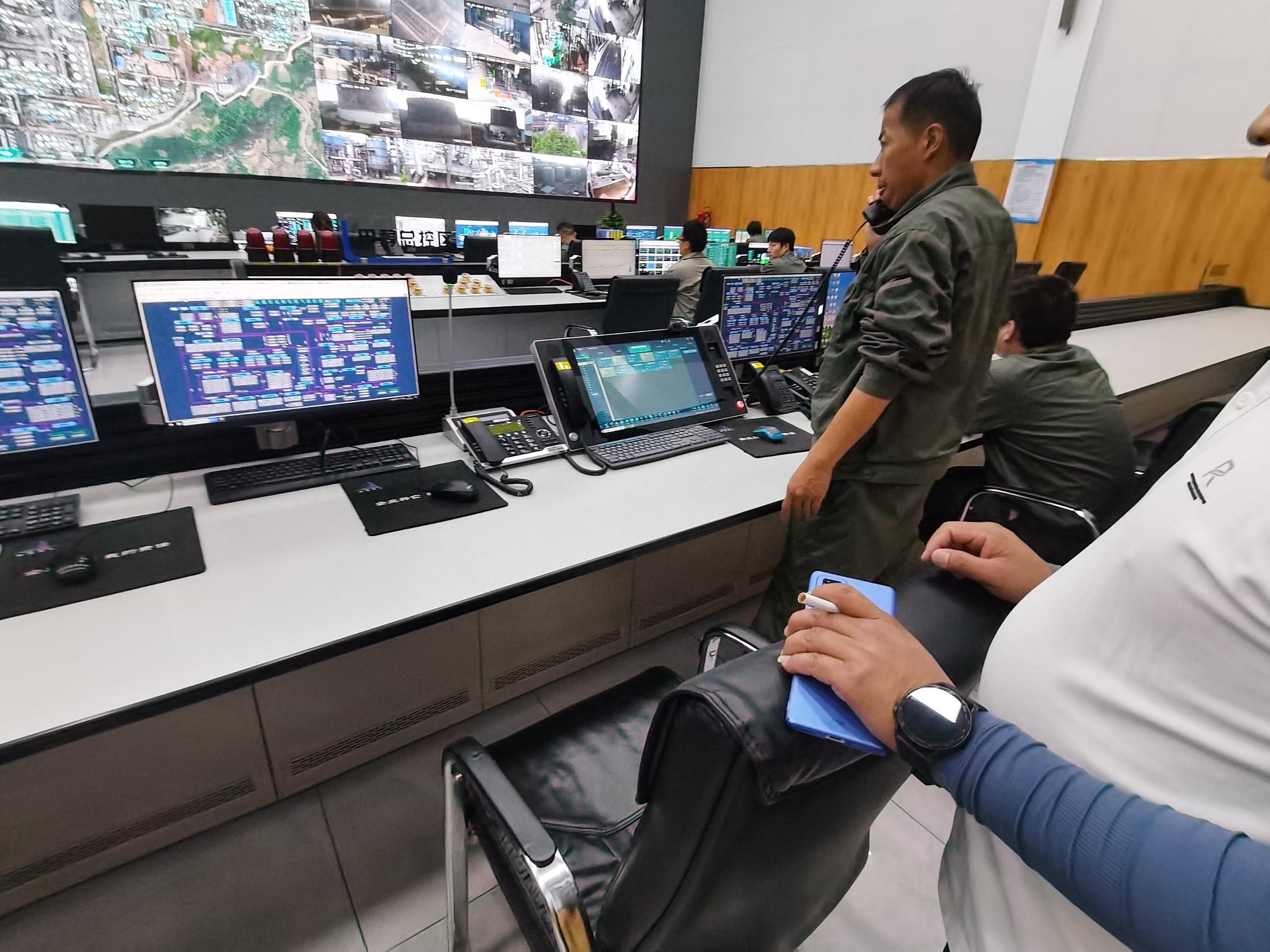
- System Linkage Trigger: Can be linked with fire alarm systems, gas leak detectors, and geological monitoring equipment. When abnormal signals like excessive combustible gas, fire, or coal and gas outburst are detected, it automatically triggers the emergency evacuation broadcast and simultaneously plays pre-set safety instructions, enabling unattended automatic warning.
- Off-Hook Auto Broadcast: Some models support an auto-broadcast on no-answer function. When the command center calls an explosion-proof telephone and it rings 3-5 times with no answer, the telephone automatically answers and activates the loudspeaker broadcast, delivering voice instructions directly, preventing information omission due to personnel absence.
Zoned and Full-Site Broadcast Control
For scenarios like large industrial plants, mines, and utility tunnels with vast areas and multiple zones, the emergency evacuation broadcast function supports zoned control to avoid ineffective broadcasts and information confusion:
Full-Site Broadcast Mode: Activates the loudspeaker broadcast on all explosion-proof telephones site-wide with one key, suitable for major accidents and full-site evacuation scenarios, ensuring all personnel receive instructions simultaneously. Zoned Broadcast Mode: Allows dividing the work area into multiple broadcast zones and initiating broadcasts to a specific zone only, suitable for local hazards and local evacuation scenarios, without disrupting normal operations in other zones, improving emergency response precision.
High-Fidelity Noise-Canceling Amplification Components
Industrial sites commonly have noise from fans, pumps, and machinery, with noise levels reaching 85-110dB. Standard amplification equipment is highly prone to voice blurring and distortion. The emergency evacuation broadcast module of explosion-proof telephones is standardly equipped with 8Ω-25W high-power explosion-proof speakers, achieving volumes above 110dB. It uses noise-reducing audio encoding technologies (e.g., 32kHz high-definition audio encoding) to filter environmental noise, emphasize voice instructions, and ensure voice content is clear and distinguishable in noisy conditions. Simultaneously, the speakers are treated for explosion-proof, waterproof, and dustproof performance, suitable for outdoor installation and wall-mounting, adapting to different scenario deployment needs.
Dual Mode: Pre-recorded Voice and Live Announcement
This function balances emergency efficiency and flexibility, divided into two modes: pre-recorded voice broadcast and live announcement broadcast. Pre-recorded Voice Mode: Standardized evacuation instructions, safety tips, and emergency procedures (e.g., "Please evacuate immediately via the safe passage," "Shut down equipment power and proceed to the refuge chamber") are recorded in advance. In an emergency, they can be played with one key, avoiding verbal errors under stress. Live Announcement Mode: The command center or on-site telephone can make live announcements directly, flexibly conveying the latest on-site situation and rescue adjustment instructions, adapting to complex and changing accident scenarios.
Compatibility with Mainstream Communication Protocols
Currently, the emergency evacuation broadcast function of mainstream explosion-proof telephones supports the standard SIP 2.0 protocol, compatible with mainstream IPPBXs, industrial dispatch platforms, and optical fiber communication systems on the market. It supports various transmission methods like TCP/IP network transmission, optical fiber transmission, and bus transmission. Single-mode fiber transmission distance can reach over 25 kilometers, adapting to long-distance, large-scale industrial scenarios. It also supports PoE network power supply and 220V AC power supply, reducing wiring difficulty and adapting to both old system renovations and new project deployments.
Main Application Scenarios for the Emergency Evacuation Broadcast Function of Explosion-Proof Telephones
The emergency evacuation broadcast function of explosion-proof telephones is primarily suited for industrial and municipal scenarios with risks of flammability and explosion, harsh environments, and high difficulty in personnel evacuation. The functional focus and deployment plans vary slightly across scenarios. The following details the mainstream industry application scenarios:
Petrochemical Industry
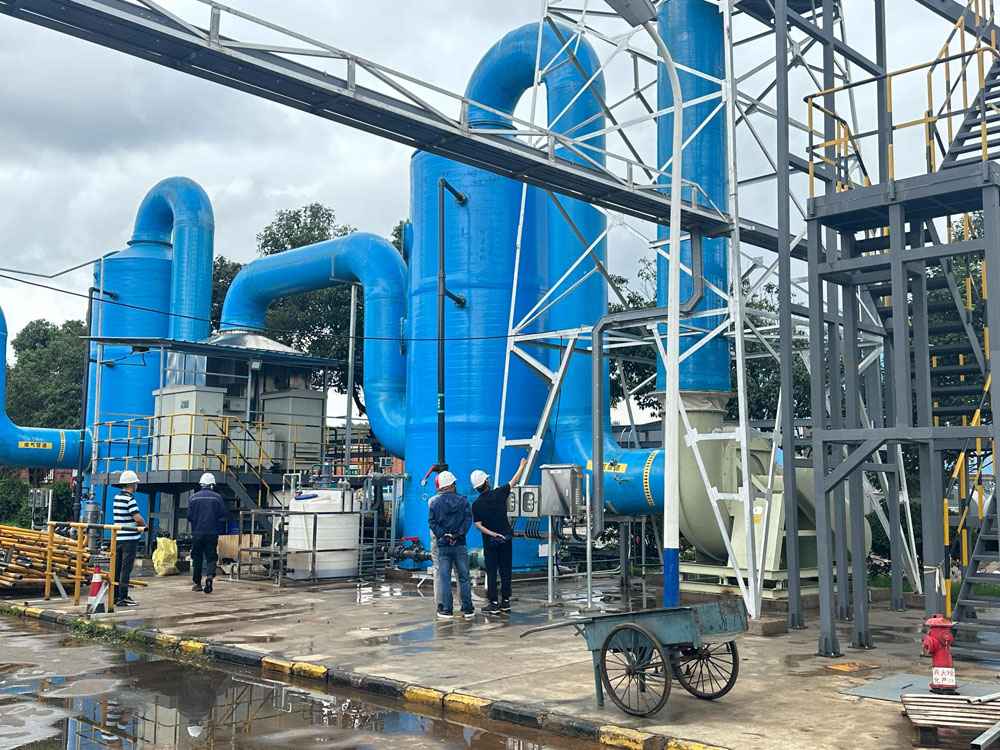
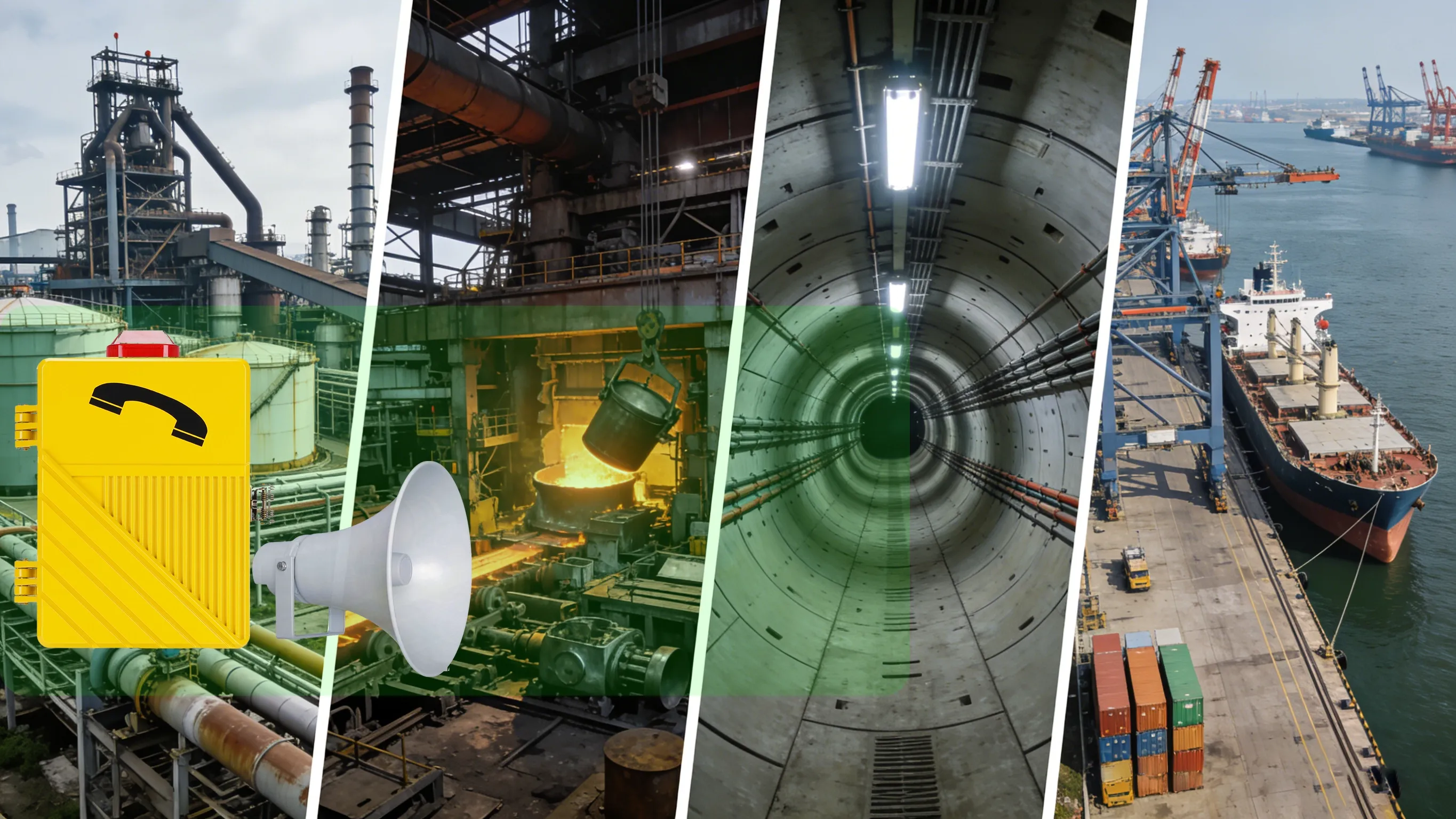
Scenarios like oil refineries, gas stations, oil and gas tank farms, chemical workshops, and gas utility tunnels continuously contain flammable and explosive gases such as gasoline, natural gas, and chemical solvents. These are IIC level high-risk environments and are core application scenarios for the emergency evacuation broadcast function. In these scenarios, explosion-proof telephones often use a combined flameproof + intrinsically safe design, deployed in key locations such as tank farms, loading/unloading areas, workshops, control rooms, and safety passages. In case of gas leaks, fires, or potential explosions, a one-key full-site broadcast can be activated to quickly issue evacuation instructions, guiding personnel to safe areas. It can also be linked with gas detection equipment to automatically trigger warning broadcasts, preventing accident escalation.
Mining Industry
Underground mining environments in coal and metal mines have risks of methane and coal dust explosions. They feature confined spaces, long and narrow tunnels, weak communication signals, high machinery noise, and extreme difficulty in personnel evacuation. Explosion-proof telephones equipped with the emergency evacuation broadcast function are core devices for underground mine emergency communication. They often use intrinsically safe design, are wall-mounted along tunnels, and support long-distance optical fiber transmission. In emergencies like coal and gas outbursts, collapses, or water inrushes, the command center can use the broadcast function to issue precise zoned evacuation instructions. Simultaneously, on-site personnel can initiate a one-key distress broadcast, facilitating rescue personnel location and response, significantly improving underground emergency rescue efficiency.
Municipal Tunnels and Utility Tunnels
Scenarios like highway tunnels, subway tunnels, urban utility tunnels, and power tunnels are confined spaces with poor ventilation. In case of fire, traffic accidents, or pipeline leaks, personnel evacuation and rescue are extremely difficult, and conventional communication equipment is susceptible to electromagnetic interference. In these scenarios, the emergency evacuation broadcast function is often implemented using IP network-based explosion-proof amplified telephones with protection ratings up to IP68, resistant to high temperatures and humidity. They are evenly deployed along tunnels and utility tunnels. During emergencies, they can link with fire alarm systems to automatically start broadcasts, guiding personnel to evacuate via escape routes, while conveying fire and traffic information to assist rescue operations.
Metallurgical and Heavy Industrial Workshops
Scenarios like steel plants, electrolytic workshops, and smelters involve high temperatures, dust, and corrosive gases. Some areas have risks of combustible dust explosions. Workshops are large, equipment noise is high, and personnel work in dispersed locations. The emergency evacuation broadcast function of explosion-proof telephones can cover all work points within the workshop. In case of sudden equipment failure, fire, or dust hazards, it can quickly initiate a broadcast, notifying personnel to stop work and evacuate. It can also be paired with audible and visual alarm modules, providing dual voice + light warnings to enhance the recognizability of emergency notifications.
Ports, Docks, and Shipping Industry
Scenarios like hazardous chemical docks at ports, ship cargo holds, and drilling platforms face strong sea wind and salt spray corrosion, high risks from flammable and explosive cargo, and humid environments, making conventional equipment prone to damage. Explosion-proof telephones use salt-spray resistant and anti-oxidation materials. The emergency evacuation broadcast function adapts to extreme marine environments. In case of hazardous chemical leaks or fires, it can quickly broadcast evacuation instructions, ensuring the safety of dock workers and crew. It also features waterproof and drop-resistant designs, withstanding harsh outdoor weather and potential rough handling.
Other High-Risk Scenarios
Additionally, scenarios like grain processing plants and flour mills (combustible dust), nuclear power plant auxiliary workshops, and military hazardous goods warehouses also need to be equipped with explosion-proof telephones featuring emergency evacuation broadcast functions to meet safety production and emergency management compliance requirements and prevent safety accidents caused by communication failure.
Selection Specifications for Explosion-Proof Telephones with Emergency Evacuation Broadcast Function
When B-end procurement personnel and engineers select explosion-proof telephones with emergency evacuation broadcast functions, they must consider four core dimensions: explosion-proof compliance, functional suitability, environmental durability, and system compatibility, to avoid problems like equipment unusability or non-compliance due to blind selection. The following are detailed selection points:
Prioritize Verification of Explosion-Proof Certification and Compliance
Compliance is the foremost prerequisite for selection. It must be confirmed that the equipment possesses an Explosion-Proof Certificate issued by the National Center for Quality Supervision and Testing of Explosion-Proof Electrical Products, complying with standards like GB 3836.1, GB 3836.2, and GB 3836.4. The explosion-proof level (e.g., Ex d IIB T6, Ex ib IIC T6), temperature class, and applicable environment (gas/dust explosion-proof) must be clearly stated, ensuring a match with the hazard level of the work site. Additionally, for municipal fire-related scenarios, CCCF fire certification should be verified to meet fire emergency communication compliance requirements.
Match Scenario Environmental Parameters
- Protection Rating: For outdoor, humid, and dusty scenarios, select IP67 or higher; for water-prone scenarios like underground mines and utility tunnels, select IP68.
- Operating Temperature: For extremely cold regions, select models with a wide temperature range of -40℃~70℃; for high-temperature workshops, select models with high-temperature resistant materials.
- Corrosion Resistance: For salt spray and chemical corrosion scenarios, select models with stainless steel or thickened aluminum alloy housings to avoid aging and damage of ordinary plastic housings.
- Amplification Volume: For high-noise scenarios (≥90dB), select models with speaker power ≥25W and volume ≥110dB to ensure clear voice.
Match Functional Requirements
For small plant areas or localized scenarios, select models with basic one-key broadcast and live announcement functions. For large-scale scenarios like large plants, mines, and utility tunnels, select models with zoned broadcast, linkage alarm, pre-recorded voice, and remote dispatch functions. For old system renovations, select models supporting SIP protocol and compatible with the existing PBX to avoid re-wiring. For unattended scenarios, select models with auto-answer broadcast and monitoring equipment linkage functions.
Adapt Transmission and Power Supply Methods
For short distances and LAN scenarios, select IP network models with PoE power supply for convenient wiring. For long-distance scenarios like underground mines and tunnels, select optical fiber transmission models for long transmission distance and strong anti-interference capability. For scenarios without external power, select models with supporting backup power to ensure the emergency broadcast function remains operational during power outages.
Consider Maintenance and Durability
Select models with industrial-grade motherboards and button lifespan ≥ 500,000 times, suitable for high-frequency, intensive use in industrial sites. Prioritize models supporting remote debugging and fault self-diagnosis to reduce on-site maintenance difficulty. Also, confirm that the manufacturer provides comprehensive after-sales service, installation guidance, and warranty to ensure long-term stable operation of the equipment.
Key Points for Deploying and Maintaining Explosion-Phone Emergency Evacuation Broadcast Systems
Standardized Deployment Process
Before deployment, conduct on-site surveys of the work area's hazard level, size, noise conditions, and wiring conditions to determine the number of devices, installation locations, and transmission methods. Equipment installation must be secure; wall-mounting height should facilitate personnel operation and broadcast coverage. Speakers should face the work area and avoid obstructions. Wiring must use explosion-proof cables, and interfaces must be sealed to prevent electric leakage or gas leakage risks. After deployment, functional tests must be conducted to verify one-key trigger, zoned broadcast, amplification quality, linkage alarm, etc., ensuring normal operation during emergencies.
Daily Maintenance and Periodic Inspection
The explosion-proof telephone emergency evacuation broadcast system is emergency equipment and requires establishing a routine maintenance mechanism: Regularly inspect the device's appearance, buttons, and speakers for damage, and check lines for looseness. Conduct a broadcast function test monthly, simulating emergency scenarios to verify trigger mechanisms and voice transmission effectiveness. Perform an explosion-proof performance check every six months, inspecting for housing damage, circuit aging, etc., to prevent equipment from losing its explosion-proof capability. Update pre-recorded voice content promptly to ensure emergency instructions align with on-site safety procedures. Simultaneously, provide operation training to on-site personnel to ensure they are proficient in activating emergency broadcasts, avoiding operational errors during emergencies.
Conclusion: The Emergency Evacuation Broadcast Function is the Core Emergency Value of Explosion-Proof Telephones
Against the backdrop of continuously improving industrial safety production and emergency management systems, emergency communication support in high-risk scenarios has become an industry necessity. The emergency evacuation broadcast function of explosion-proof telephones is no longer an add-on feature but a core configuration for ensuring personnel safety, meeting compliance requirements, and enhancing emergency response capabilities. Its core value lies in achieving safe, efficient, and comprehensive emergency information transmission under extreme danger and extreme environments, breaking through the "information bottleneck" in high-risk scenario evacuations.
For B-end procurement, the selection process must firmly grasp the three principles of compliance, scenario suitability, and functional practicality, avoiding prioritizing price over certification or appearance over performance. For on-site engineers, familiarity with the equipment's technical principles and deployment specifications is necessary to ensure stable system operation. For maintenance personnel, regular inspections are crucial to ensure the system can be "activated, used effectively, and heard clearly" during emergencies.
In the future, with the development of industrial intelligence and IoT technologies, the emergency evacuation broadcast function of explosion-proof telephones will be further upgraded, achieving deep integration with video surveillance, personnel positioning, and emergency command platforms. This will create an integrated emergency communication system encompassing warning, broadcasting, dispatch, and rescue, providing more comprehensive protection for safety production in high-risk industrial scenarios.

 English
 Deutsch
 한국어
한국어 Русский
 Français
 日本語
日本語 لالعربية
 हिन्दी
 Español
 Português
 繁体中文
繁体中文 简体中文
简体中文