Explosion-proof public address (PA) intercom stations are mission-critical communication devices in underground coal mines and other hazardous industrial environments. They play an irreplaceable role in ensuring safe production, emergency coordination, and personnel protection. However, traditional single power supply architectures—typically relying solely on AC power—present significant risks in harsh underground conditions. Once a power outage or electrical fault occurs, communication can be immediately disrupted, delaying emergency response and increasing accident severity.
To address these challenges, an innovative dual power supply architecture has emerged. By combining Power over Ethernet (PoE) with traditional AC power and enabling intelligent, seamless switching, explosion-proof PA intercom stations can achieve significantly higher reliability and safety. This approach not only complies with stringent explosion-proof requirements in underground coal mines, but also balances cost efficiency, maintenance convenience, and system scalability—offering a superior power solution for modern mine communication systems.
1. Application Environment and Functional Requirements of Explosion-Proof PA Intercom Stations
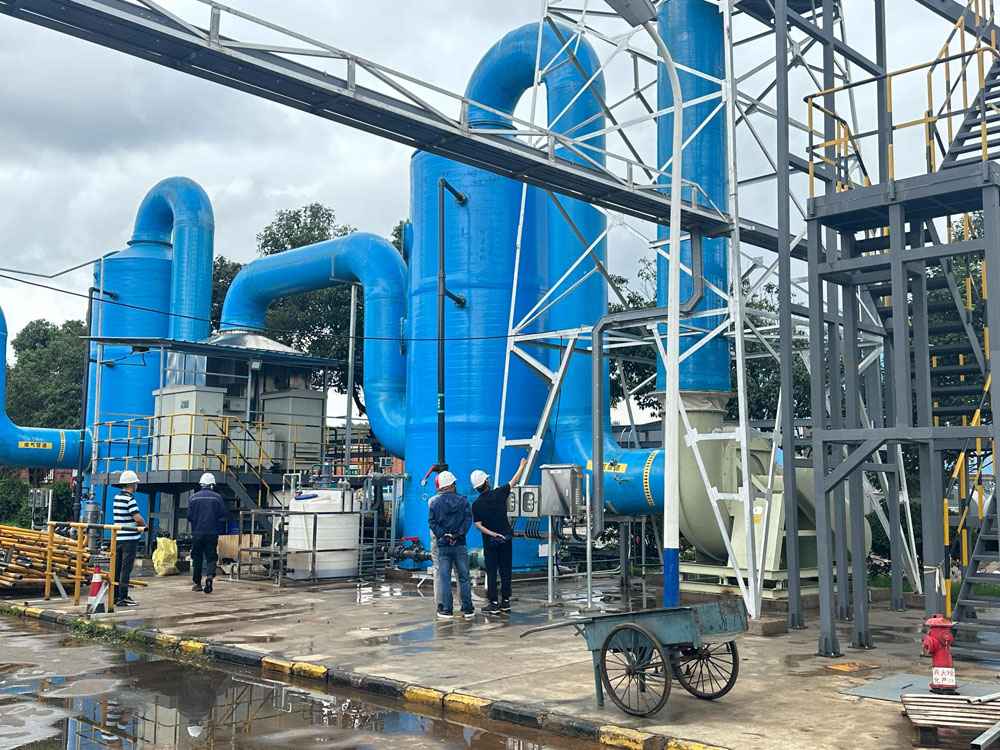
Explosion-proof PA intercom stations are primarily deployed in environments containing explosive gas or dust mixtures, such as underground coal mines and petrochemical facilities. In coal mines, operating conditions are particularly severe:
Ambient temperature: –20°C to +50°C
Relative humidity: up to 95%
Presence of corrosive gases, coal dust, vibration, and mechanical shock
These factors impose extremely high requirements on power system stability and intrinsic safety.
According to the GB 3836 series explosion-proof standards, underground PA intercom stations must typically achieve an explosion protection rating of Ex d [ib] IIC T6, along with an enclosure protection level of IP65 or higher, ensuring safe and reliable operation under extreme conditions.
From a functional perspective, explosion-proof PA intercom stations must meet several core requirements:
Multi-channel communication, maintaining clear voice transmission in environments with noise levels up to 120 dB
High-power amplification, with adjustable audio output in the 0–35 W range to penetrate ambient noise
Emergency alarm capability, including audible and visual alerts linked to monitoring centers
Integration with PBX or dispatch systems, enabling external call access
These requirements demand a power system that is not only stable, but also flexible, redundant, and capable of supporting emergency scenarios.
In underground coal mines, power supply reliability is directly linked to production safety. The Coal Mine Safety Regulations mandate dual-circuit power supply systems, ensuring uninterrupted operation when one power source fails. As a core component of the mine communication system, explosion-proof PA intercom stations must follow the same principle—providing the fundamental justification for dual power supply design.
2. Advantages and Limitations of PoE Power in Explosion-Proof Environments
2.1 Advantages of PoE Power Supply
The most significant advantage of PoE is simplified cabling. Traditional explosion-proof PA intercom stations require separate power and communication cables, increasing installation complexity and maintenance workload. PoE enables both data and power transmission through a single Ethernet cable, dramatically reducing wiring requirements and deployment difficulty.
In underground coal mines, where space is limited and cable routing is complex, this simplification offers substantial practical value.
PoE also provides high flexibility and scalability. Multiple PA intercom stations can be powered centrally through PoE switches, eliminating the need for individual power outlets at each location. When devices are added or relocated, network topology adjustments are sufficient—no additional power cabling is required.
Another key advantage is remote power management. Through PoE switches, operators can monitor power status, load levels, and energy consumption in real time, enabling proactive fault detection. This capability is especially valuable in underground environments, as it reduces the need for on-site inspections and associated safety risks.
PoE architectures also support redundancy designs. By deploying multiple PoE switches or redundant power supplies, systems can automatically switch to backup power sources, aligning well with the coal mine requirement for uninterrupted operation.
Finally, PoE allows for intelligent energy management. Smart power allocation ensures that each device receives only the power it requires, improving efficiency and reducing overall energy consumption—an important benefit in energy-constrained underground environments.
2.2 Limitations of PoE Power Supply
Despite its advantages, PoE has inherent limitations in explosion-proof applications.
First is power capacity. According to IEEE standards, PoE power levels include:
While the maximum power demand of an explosion-proof PA intercom station is around 35 W, real-world factors such as cable voltage drop and elevated temperatures can reduce usable power. In high-temperature underground mines, this may result in insufficient power delivery.
Second is distance limitation. PoE is limited to 100 meters of effective transmission. Longer distances require PoE extenders or repeaters, increasing system complexity and cost.
Third, explosion-proof certification barriers remain significant. Both the power sourcing equipment (PSE) and powered devices (PD) must comply with explosion-proof standards, including intrinsic safety or flameproof enclosure requirements. Certified PoE equipment specifically designed for hazardous environments is still relatively limited.
Additionally, PoE relies on network stability. If network switches or cables fail, both data and power are lost, creating a single point of failure. Underground environments are susceptible to electromagnetic interference, vibration, and dust, which may affect network reliability.
Finally, initial investment costs for explosion-proof PoE switches and industrial-grade Ethernet cabling are higher than traditional power solutions, which can be a concern for budget-constrained mining operations.
3. Characteristics and Applicability of Traditional AC Power
Traditional AC power has a long history in explosion-proof equipment and remains a mature, reliable solution. Explosion-proof PA intercom stations typically use AC 127 V or AC 220 V, combined with flameproof enclosures and intrinsically safe circuits.
AC power systems offer stable high-power output, easily meeting the 35 W requirement of PA intercom stations. They are also independent of network conditions—communication may fail, but power can remain available.
In underground coal mines, AC systems commonly use dual-circuit power supply designs, ensuring continuity during failures and aligning with safety regulations.
However, traditional AC power also has clear drawbacks:
Complex cabling, requiring separate power and communication lines
High fault rates in humid, dusty environments—leakage faults account for 70–80% of low-voltage accidents in coal mines
High maintenance workload, including regular insulation and sealing inspections
Strict operational constraints, such as mandatory power-off periods before enclosure access, increasing response time during emergencies
4. Intelligent Switching Mechanism for Dual Power Supply Systems
To combine the strengths of PoE and AC power, an intelligent dual power switching mechanism must follow three principles: safety first, seamless switching, and intelligent management.
4.1 Switching Trigger Conditions
Key trigger conditions include:
AC voltage monitoring: Switching is triggered when voltage drops below 80% of the rated value
PoE power monitoring: Switching occurs when available PoE power falls below 30 W
Device status monitoring: Temperature, humidity, and vibration sensors detect abnormal conditions
Manual override capability: Remote or local switching for special scenarios
4.2 Switching Circuit Design and Safety Isolation
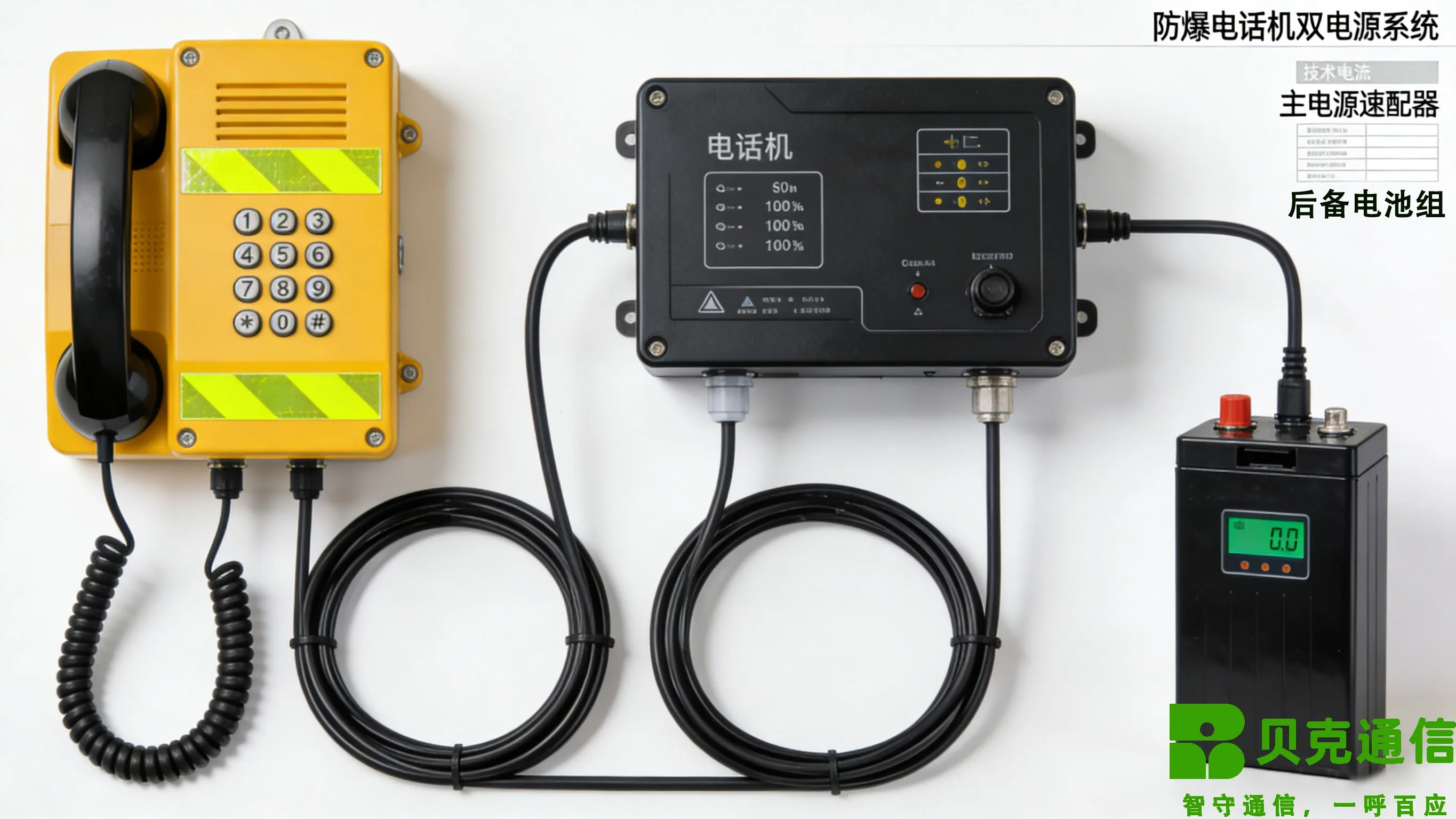
Switching circuits must meet both flameproof (GB 3836.2) and intrinsic safety requirements. Key components include dual power input modules, intelligent controllers, monitoring modules, and isolation devices.
A “make-before-break” strategy ensures uninterrupted power, with switching times controlled within 5 ms to prevent device reboot or data loss.
4.3 Power Module Redundancy Design
A 1+1 redundant architecture is recommended, with dynamic current sharing and load imbalance controlled within 2%. Built-in protections include overvoltage, undervoltage, overcurrent, short circuit, and overtemperature safeguards.
4.4 Monitoring and Management System
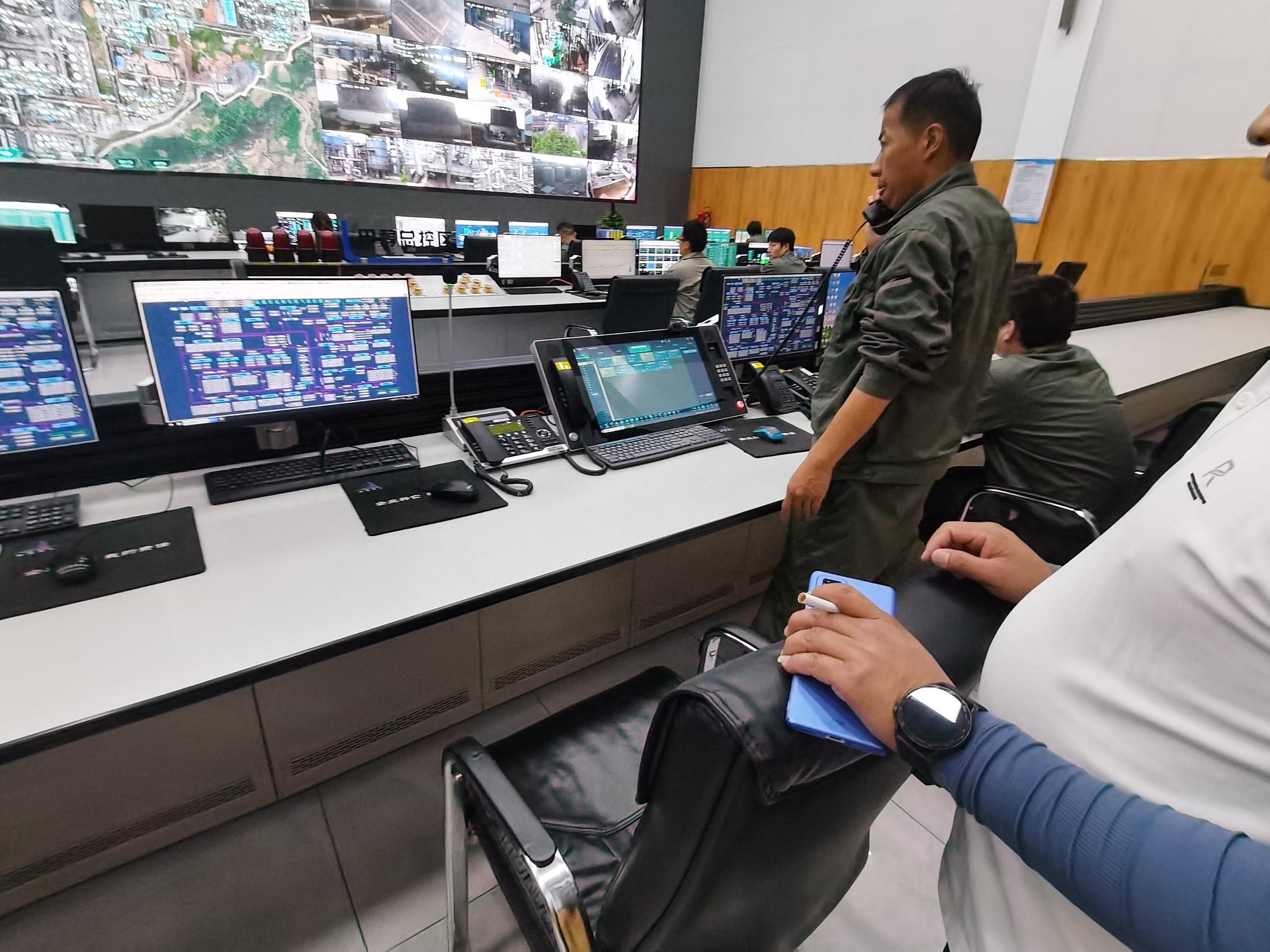
The system supports real-time monitoring, fault diagnosis, alarm notifications, and remote control via industrial protocols such as Modbus and CAN bus, enabling seamless integration with mine monitoring platforms.
5. System Benefits and Implementation Results
Dual power design delivers:
~60% reduction in power-related failure rates
Switching within 5 ms, ensuring uninterrupted communication
30% reduction in cabling costs
40% reduction in fault response time
MTBF exceeding 8,000 hours, more than three times that of single power systems
6. Real-World Application Cases
In a coal mine deploying 100 explosion-proof PA intercom stations, system failures dropped from 2–3 incidents per month to less than 0.5, while response time was reduced from 4 hours to under 1 hour.
A petrochemical facility using PoE++ combined with AC backup achieved stable operation under –40°C to +75°C, with IP67 protection and seamless integration into its safety monitoring system.
7. Conclusion
The dual power supply design for explosion-proof PA intercom stations represents a major advancement in mine communication systems. By integrating PoE and traditional AC power with intelligent seamless switching, this architecture significantly improves reliability, explosion safety, and lifecycle cost efficiency.
As mining operations continue to embrace digitalization and intelligent safety management, dual power designs will become a foundational technology—supporting safer production, faster emergency response, and more resilient underground communication infrastructures.

 English
 Deutsch
 한국어
한국어 Русский
 Français
 日本語
日本語 لالعربية
 हिन्दी
 Español
 Português
 繁体中文
繁体中文 简体中文
简体中文