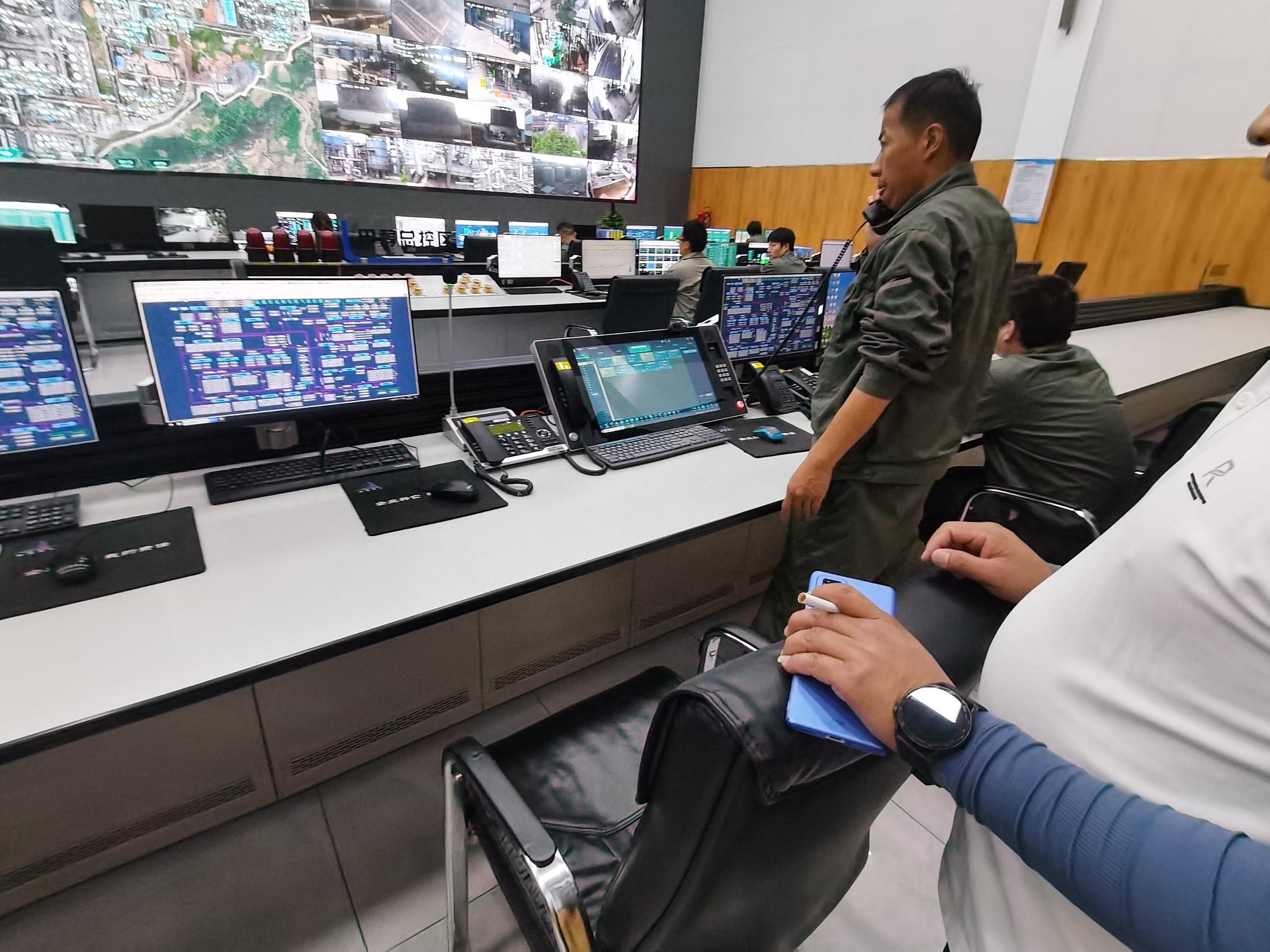
In the modern landscape of video surveillance, IP cameras have become the standard solution, enabling remote viewing, recording, and control through network-based video transmission. These devices are engineered specifically for surveillance use cases, delivering reliable performance for security monitoring scenarios. However, when deployed in unified communication (UC) projects—especially video fusion initiatives—integrating standard video surveillance IP cameras presents significant challenges, rooted in a fundamental incompatibility of core communication protocols between the two systems.
Surveillance IP cameras rely on industry-standard protocols such as RTSP, GB28181, and ONVIF for video transmission. These protocols are optimized for the unidirectional, high-stability demands of video monitoring, prioritizing continuous stream delivery for security purposes. In contrast, unified communication systems prioritize real-time interactivity and two-way communication, leveraging the SIP protocol as their foundational communication standard to ensure seamless connectivity and dynamic interaction across all connected devices. For effective video fusion in UC ecosystems, where diverse video sources must be integrated and interconnected, surveillance cameras must be converted to support the SIP protocol to enable smooth communication with UC system infrastructure.、
While SIP-compatible cameras are available on the market today, large-scale UC and video fusion projects face a practical barrier: full replacement of existing surveillance camera deployments is neither economically feasible nor operationally practical. Cameras represent a substantial capital investment, and physical reinstallation across large facilities adds significant labor and time costs. To address this gap, Becke Telcom has developed a Video Access Gateway that delivers a cost-efficient, scalable solution—enabling the unified access of existing surveillance cameras and protocol conversion to SIP, without the need for hardware replacement. This gateway acts as a critical bridge, presenting surveillance cameras to the UC system as native SIP devices, and enabling UC systems to access surveillance video feeds through standard SIP networking.
Core Networking Architecture with Becke Telcom’s Video Access Gateway
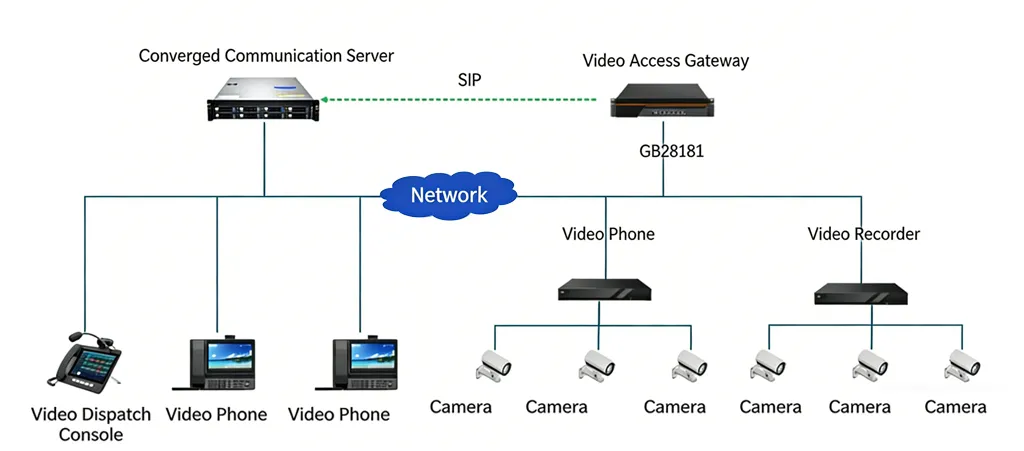
The Video Access Gateway is designed to fit seamlessly into both existing video surveillance architectures and new unified communication deployments, creating a streamlined hybrid network topology. At the surveillance layer, IP cameras and video recorders connect to the gateway via standard surveillance protocols, primarily GB28181, the national standard for video surveillance in China and a widely adopted protocol for cross-system surveillance integration. The gateway serves as the central protocol conversion hub, receiving video streams from cameras and recorders over GB28181 and converting these streams to the SIP protocol in real time.
On the unified communication side, the gateway connects directly to the UC server via standard SIP networking, supporting both trunk mode and user mode for flexible integration with different UC system configurations. All UC end devices—including video dispatch consoles, video phones, and intelligent mobile terminals—can then access the converted surveillance video feeds through native SIP commands and workflows. This architecture preserves the integrity of the original surveillance system while enabling full interoperability with the UC ecosystem, creating a unified video network where security feeds and UC video communication are fully integrated.
Key Advantages of Becke Telcom’s Video Access Gateway
Cost Optimization for Large-Scale Projects
The most impactful benefit of the Video Access Gateway is its ability to leverage existing surveillance hardware. For enterprises and organizations with pre-deployed IP cameras and recorders, the gateway eliminates the need for costly hardware replacement, a critical savings in large-scale projects where camera deployment costs alone can represent a major portion of the budget. By reusing existing infrastructure, businesses can achieve video fusion with unified communication systems at a fraction of the cost of a full hardware refresh.
Broad Compatibility with Video Surveillance Ecosystems
Becke Telcom’s Video Access Gateway is built with robust compatibility at its core, supporting seamless integration with the entire video surveillance stack—not just individual IP cameras. It connects natively with network video recorders (NVRs) and central video surveillance platforms, enabling the conversion of entire surveillance systems to SIP rather than just single devices. This broad compatibility ensures that the gateway can be deployed in any existing surveillance environment, regardless of the brand or model of the underlying hardware, making it a universal solution for protocol conversion.
Standard SIP Networking with Zero Custom Development
The gateway adheres strictly to international SIP protocol standards, ensuring out-of-the-box compatibility with all standard unified communication systems. It supports two integration modes—trunk mode and user mode—allowing it to adapt to the unique networking requirements of different UC deployments, from small business systems to large enterprise and command and dispatch platforms. Most importantly, all functionality is enabled through simple parameter configuration, with no custom software development or code modification required. This reduces deployment time and technical complexity, allowing IT and system integrators to complete the integration in a short timeframe with minimal technical expertise.
Enhanced Capabilities of SIP-Enabled Video Surveillance Systems
Converting traditional surveillance cameras to SIP-compatible devices via the Video Access Gateway unlocks far more than just UC system integration—it elevates the overall value of the video surveillance infrastructure by expanding its use cases beyond basic security monitoring.
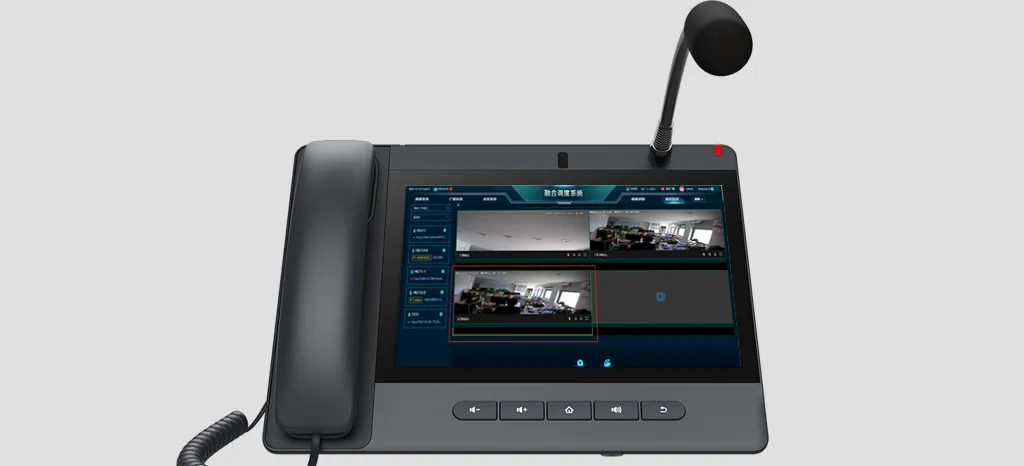
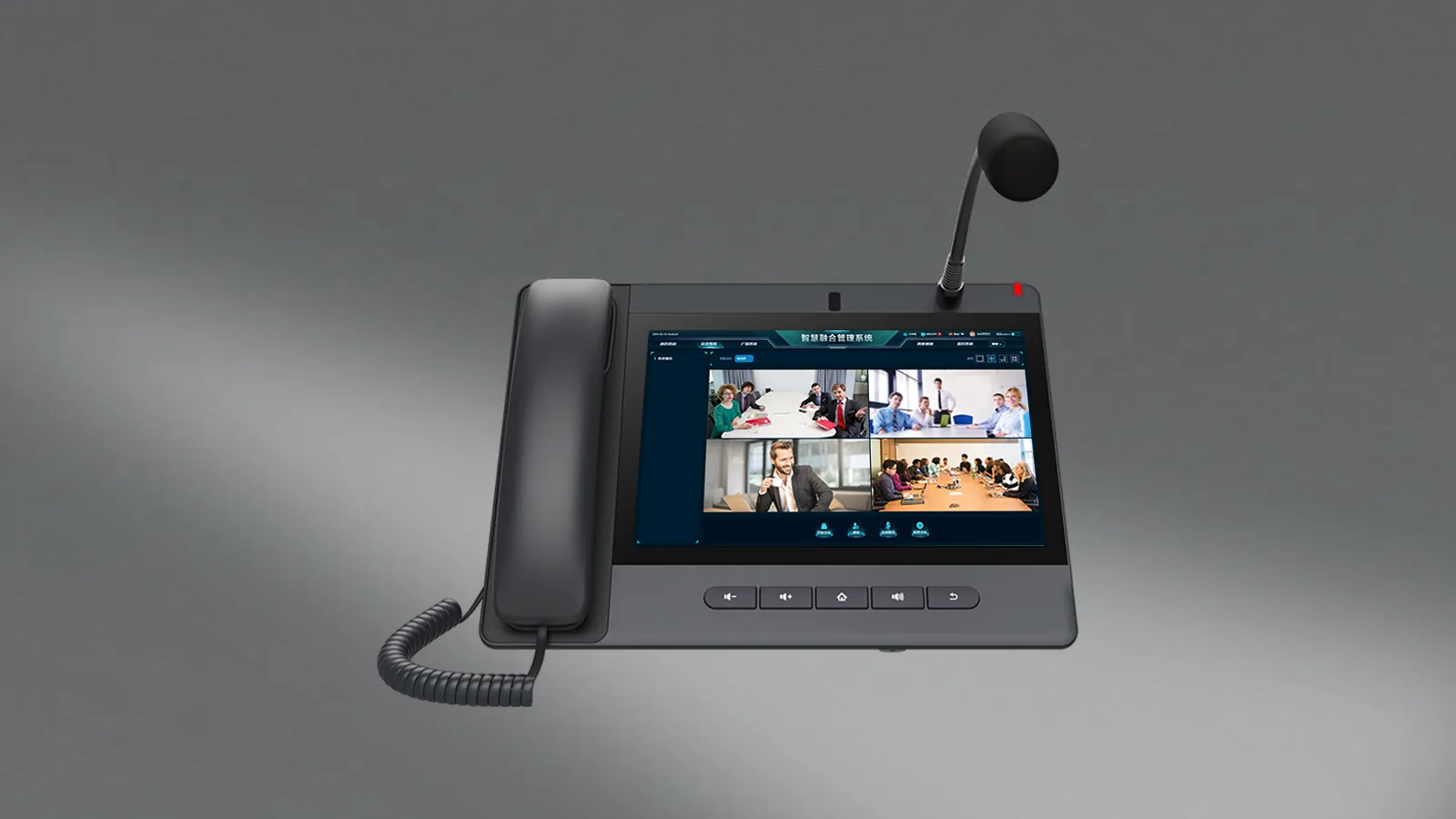
A key enhanced capability is seamless integration with video conferencing systems. Once surveillance cameras are converted to SIP, they can be easily added to video conferences as standard video sources through the UC system’s native call workflows. There is no need for special software or hardware to bridge the two systems; users can simply initiate a call or add the camera feed to a conference through the video dispatch console or video phone, turning security cameras into functional video conference endpoints. This integration is particularly valuable for command and dispatch centers, remote operations teams, and emergency response scenarios, where real-time access to on-site surveillance feeds during a video conference enables faster, more informed decision-making.
Additionally, the SIP-enabled surveillance feeds can be accessed by any SIP-compatible intelligent terminal in the UC ecosystem, from desktop video phones to mobile UC apps. This means authorized users can view real-time surveillance video from any location, on any device, through the same unified interface they use for video calls and messaging—creating a truly unified communication and monitoring experience.
Versatile Device Support Beyond IP Cameras
Becke Telcom’s Video Access Gateway is not limited to IP surveillance cameras; it offers mature protocol conversion solutions for a wide range of video capture devices, making it a comprehensive video fusion hub for unified communication systems. The gateway supports the integration of unmanned aerial vehicles (UAVs) and body-worn recorders, two critical video sources for field operations, emergency response, and industrial monitoring.
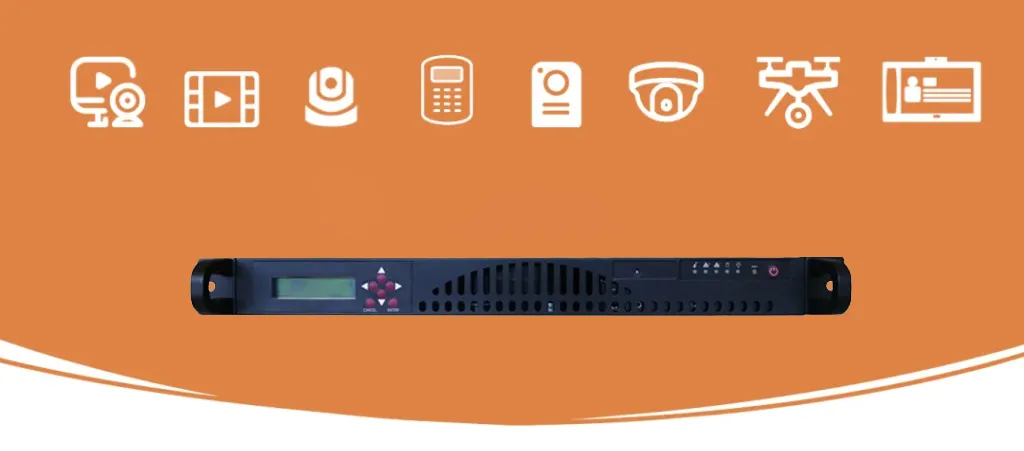
Like IP cameras, these devices typically use proprietary or surveillance-focused video transmission protocols. The Video Access Gateway converts their video streams to SIP in real time, enabling them to be fully integrated into the UC ecosystem alongside surveillance cameras. This means UAV aerial feeds and body-worn recorder footage can be viewed on video dispatch consoles, added to video conferences, and accessed by authorized UC terminals—all through standard SIP workflows. This level of integration creates a single, unified video network that combines fixed surveillance, mobile field capture, and two-way UC communication, delivering a holistic video solution for complex operational environments.
Benefits for Unified Communication and Video Solution Vendors
The Video Access Gateway is not just a valuable tool for end users; it also delivers significant advantages for vendors in the unified communication and video technology space, including UC equipment manufacturers, softswitch system providers, video conference solution vendors, and command and dispatch system developers.
For these vendors, the gateway provides a turnkey solution to expand their video fusion capabilities without investing in custom R&D for protocol conversion. By integrating Becke Telcom’s Video Access Gateway into their product portfolios, vendors can quickly add support for video surveillance system integration to their UC and video conference solutions, a high-demand feature for enterprise, government, and public safety customers. The zero-development integration model means vendors can bring this enhanced capability to market rapidly, without diverting engineering resources from core product development.
This partnership also enables vendors to deliver a more comprehensive, end-to-end video solution to their customers, differentiating their offerings in a competitive market. Instead of selling a standalone UC or video conference system, vendors can now offer a unified solution that combines communication, collaboration, and video surveillance—creating more value for customers and driving higher customer satisfaction and retention.
Conclusion
The incompatibility between traditional surveillance IP camera protocols and the SIP protocol of unified communication systems has long been a barrier to effective video fusion in UC projects. Full camera replacement is an impractical solution for large-scale deployments, due to prohibitive costs and operational disruption. Becke Telcom’s Video Access Gateway solves this challenge by acting as a seamless protocol conversion bridge, enabling existing IP cameras, recorders, and other video capture devices to connect to UC systems via standard SIP networking—without hardware replacement or custom development.
With its broad compatibility, flexible integration modes, and zero-development configuration, the gateway delivers a cost-efficient, scalable solution for video fusion, preserving existing surveillance investments while unlocking new capabilities for the UC ecosystem. By converting surveillance cameras to SIP-compatible devices, organizations gain real-time access to security feeds across all UC terminals and can integrate these feeds into video conferences, driving more informed decision-making for operations and emergency response. For vendors, the gateway is a fast, easy way to expand video fusion capabilities and deliver a more comprehensive solution to customers.
In an era where unified communication and video surveillance are increasingly interconnected, Becke Telcom’s Video Access Gateway is a critical enabler of seamless video fusion, creating a single, unified video network that combines the best of security monitoring and real-time communication. Whether for enterprise operations, government command and dispatch, or public safety response, this solution delivers the scalability, flexibility, and cost efficiency needed to build modern, integrated video ecosystems.

 English
 Deutsch
 한국어
한국어 Русский
 Français
 日本語
日本語 لالعربية
 हिन्दी
 Español
 Português
 繁体中文
繁体中文 简体中文
简体中文