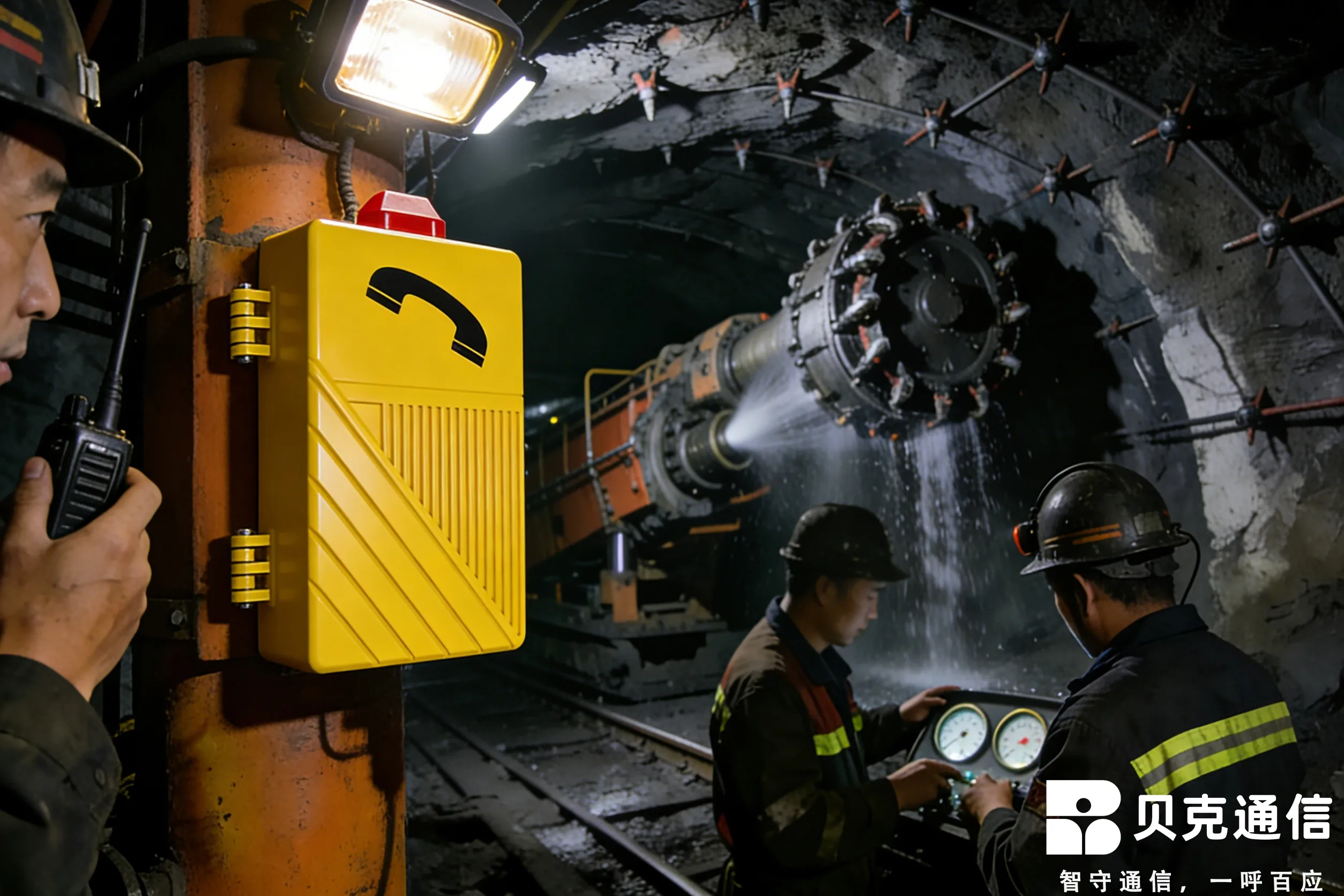
Explosion-proof telephones, designed for hazardous environments like coal mines, are essential communication tools in high-risk industries. These systems are built with special materials and circuit designs to prevent ignition in explosive atmospheres. The core explosion-proof technology includes flameproof and intrinsic safety designs, ensuring safe operation in environments with flammable gases or dust.
These systems typically consist of a main unit, explosion-proof terminals (e.g., phones, intercom stations), mining communication cables, and safety couplers. They support point-to-point calls, group intercom, and broadcast functions, and come with emergency alert systems like one-touch alarms and visual or auditory warnings.
In underground mining operations, explosion-proof telephones solve issues related to long distances and noise interference found with traditional landline systems, ensuring timely delivery of safety and production directives. With technical specifications like working temperatures from -30°C to +50°C and IP67 protection levels, these systems meet the rigorous demands of the mining environment. Some systems even integrate GPS/Beidou positioning for emergency response in natural gas extraction operations.
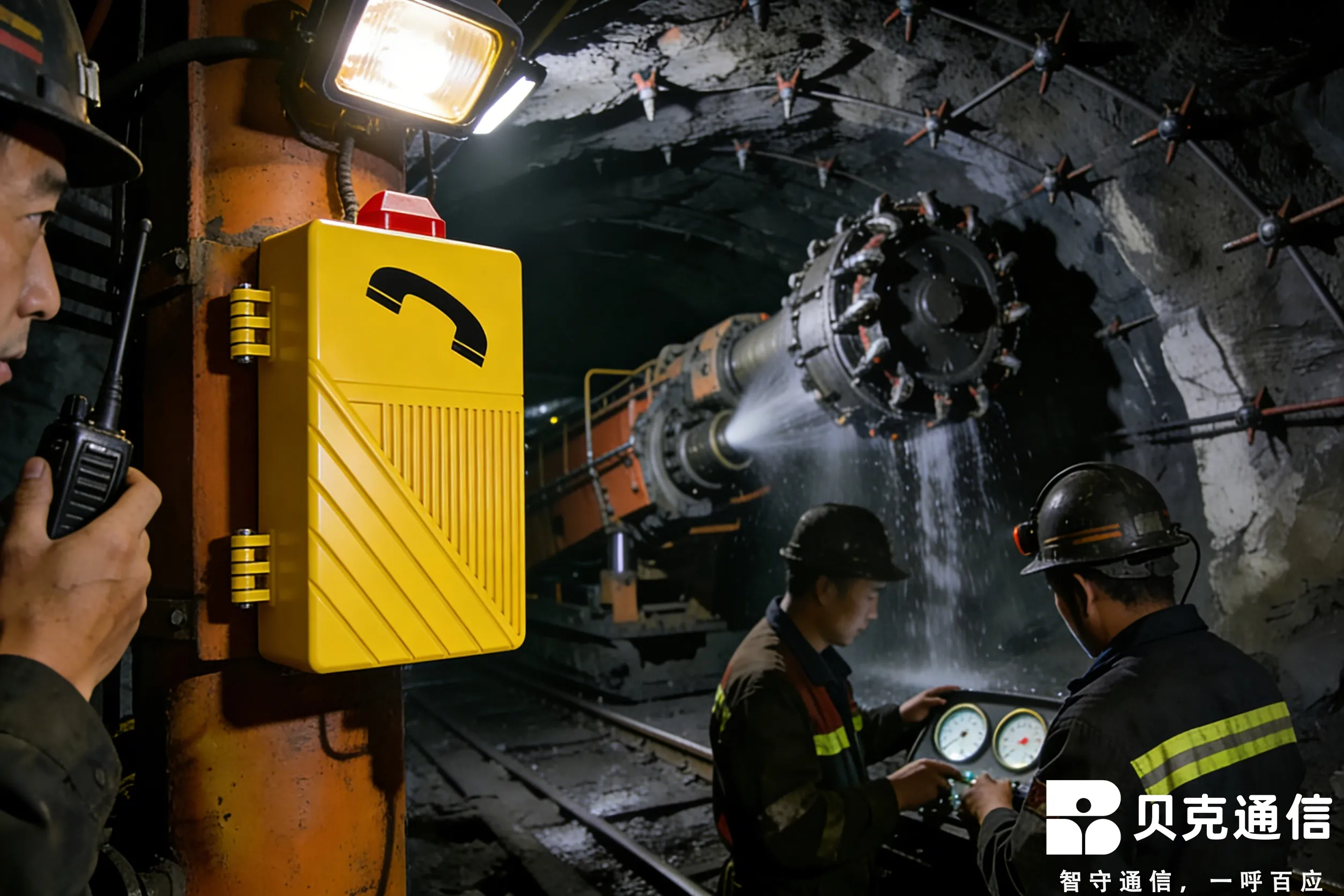
Remote Configuration and System Updates: Technical Implementation
The remote configuration and system update capabilities of explosion-proof telephones are mainly achieved through communication protocols between surface control systems and underground equipment. Modern systems often employ digital controlled dispatch machines (e.g., SOC8000, KTJ126) as surface hosts. These systems are equipped with various communication interfaces and protocols, enabling stable and reliable communication with underground terminals.
The remote configuration function relies on safety couplers (e.g., KTA116, KTA16A), which allow non-intrinsically safe signals (e.g., ringing, DC power) to be converted into intrinsically safe signals. This enables bi-directional transmission of voice signals. Through these couplers, surface dispatch machines can send control commands and configuration parameters to the underground devices, enabling remote parameter settings, feature adjustments, and status monitoring.
System updates are achieved via dedicated communication modules and protocols. High-end explosion-proof telephones are equipped with SIP2.0 protocols, allowing for remote web debugging and centralized network management. Devices can receive firmware updates through industrial Ethernet or wireless communication modules (e.g., 4G/5G). For instance, an STM32F103CBT6 microcontroller is used in certain models to enable wireless upgrades.
Communication protocols like HART and Modbus are employed in explosion-proof telephone systems to ensure secure and reliable communication. These protocols ensure stable two-way communication, supporting remote configuration and updates.
Remote Configuration and System Update Hardware Architecture
The hardware architecture supporting remote configuration and system updates includes intrinsically safe communication modules in the explosion-proof phone terminals, such as industrial Ethernet, 4G/5G, or dedicated wireless modules, ensuring safe operation in explosive environments. These modules use flameproof or intrinsic safety designs with multiple protective circuits that strictly control energy output to below safe thresholds.
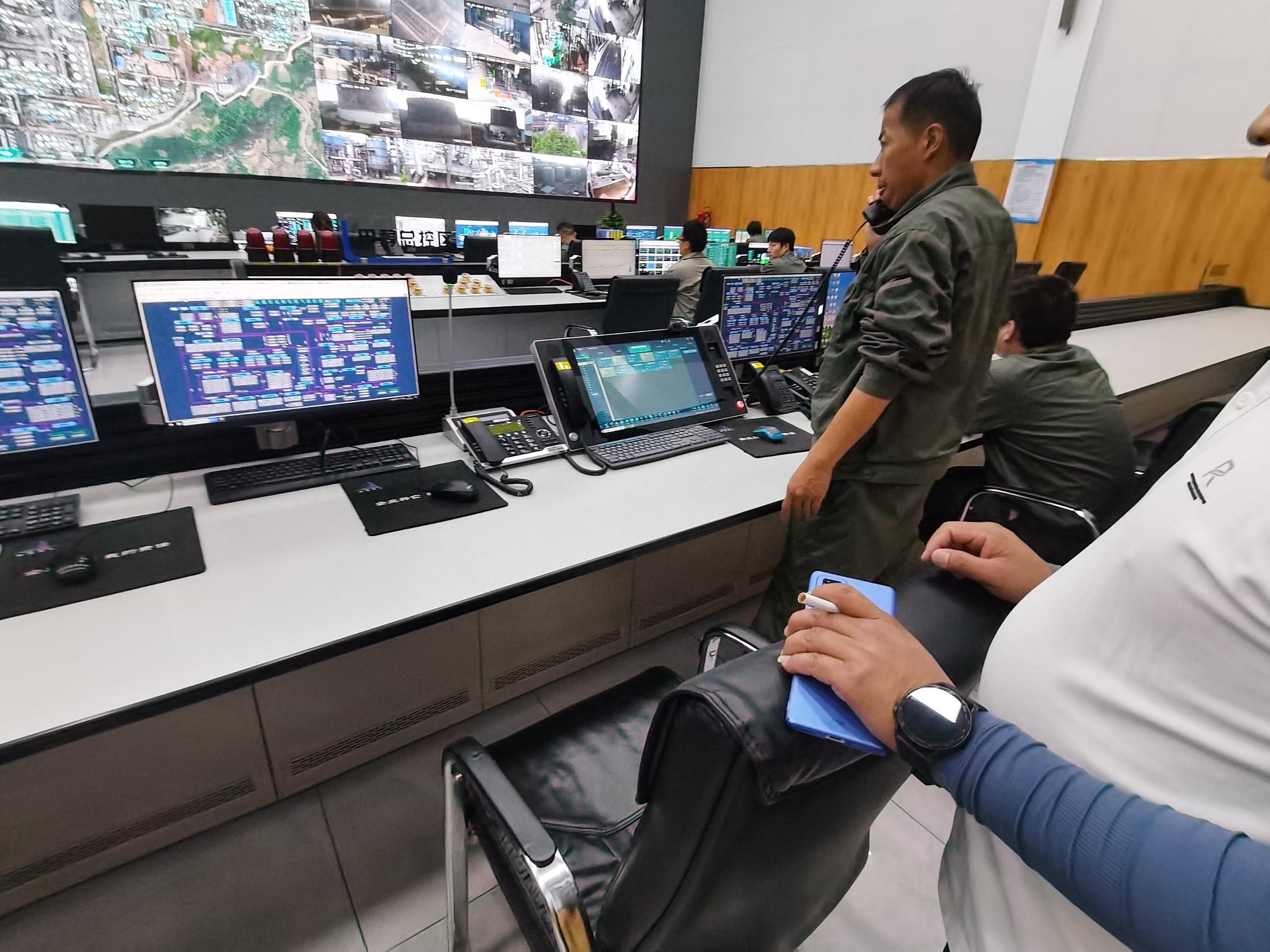
Surface dispatch machines, like the SOC8000, require high processing power and stable communication interfaces. The SOC8000, for example, uses advanced surface-mount technology and programmable devices to process data efficiently and support seamless communication with various systems, providing reliable support for remote configuration and updates.
Mining explosion-proof telephone systems typically use industrial Ethernet or 5G private networks for data transmission. Devices like the MAS205-2F mining Ethernet switch provide robust network support, with temperature ranges from -20°C to 70°C, while other specialized switches ensure stable communication even in harsh environments.
Software Platform for Remote Configuration and System Updates
The software platform for remote configuration and system updates provides an intuitive interface for managing installation, configuration, and maintenance. For example, the EX-BH621 from Shenzhen Beck Communication allows for remote monitoring and control of the system, enabling administrators to adjust parameters, diagnose faults, and monitor call logs.
Some systems, such as the SOC8000 dispatch machine, support online firmware upgrades. The software can load upgrade packages to the underground devices, ensuring smooth upgrades without interrupting normal communication.
Additionally, the software platform integrates with various safety and monitoring systems, such as personnel location, emergency communication, and video surveillance, enhancing the system's adaptability and reliability based on the underground environment.
Advantages of Remote Configuration and System Updates
The remote configuration and system update features bring significant safety improvements to explosion-proof telephone systems. They eliminate the need for personnel to physically enter hazardous environments for maintenance, reducing safety risks. For example, adjustments to alarm thresholds or communication parameters can be made remotely, minimizing human error and enhancing operational safety.
Furthermore, these functions significantly lower maintenance costs. Traditional systems require frequent underground maintenance, which involves both labor costs and safety risks. Remote configuration and updates allow most of the work to be done on the surface, cutting down on underground trips and reducing maintenance time. For example, a large coal mine with modular explosion-proof communication equipment saw a 72% reduction in communication line failures, and downtime due to equipment failure was reduced by over 80%.
Additionally, the system's stability and reliability are enhanced by regular remote updates, which fix known bugs and optimize system performance. Systems like the SOC8000 dispatch machine feature backup units and online upgrades, ensuring continuous communication in case of failures.
The remote configuration also improves emergency response times. In case of an emergency, communication strategies can be adjusted remotely, such as activating emergency broadcasts or adjusting communication priorities, helping to expedite rescue operations.
Case Studies and Value Analysis
A prime example of remote configuration and system updates in action is the Caojiatan Coal Mine 5G-A smart mining project. As the first 5G-A smart coal mine application globally, the project uses 5G-A network technologies for remote configuration, optimizing coal mining operations and reducing machine startup time by over 30 minutes, improving production efficiency.
In the natural gas extraction sector, the Tianjian Beidou explosion-proof terminal offers remote monitoring and configuration capabilities, enhancing data security and operational efficiency. Similarly, in the petroleum refining industry, the Anke Xunjie KTW276 (5G) explosion-proof mobile phones provide flexibility, supporting both 5G SA/NSA networks and remote updates.
Challenges and Future Trends
Despite the progress made, challenges remain, particularly in communication reliability and safety. The complex underground environment, electromagnetic interference, and unstable signals pose a significant challenge for ensuring accurate remote configuration and updates. Additionally, ensuring that updates do not generate hazardous energy and comply with safety standards like GB3836 is a core concern.
To address these issues, the industry is pushing forward with several technological developments:
5G-A Integration: 5G-A technology will enable even smarter and more efficient communication systems, providing high-speed data transmission and reducing energy consumption.
AI Technology: AI will enable self-diagnosis, self-repair, and system optimization, further enhancing the system's adaptability and reliability.
Modular Design: Modular designs will allow for more flexible configurations and updates, reducing maintenance costs.
Standardization: The acceleration of industry standards will ensure compatibility and interoperability across different manufacturers and devices.
Conclusion
The remote configuration and system update capabilities of explosion-proof telephones are pivotal in advancing mining operations' safety and efficiency. These features significantly reduce maintenance costs, improve system stability, and enhance emergency response capabilities, laying a solid foundation for safer and more intelligent mining operations.
As 5G-A, AI, and modular design technologies continue to evolve, remote configuration and updates will become even more advanced, providing enhanced functionality, greater system reliability, and increased operational efficiency. The standardization of technologies will also ensure greater interoperability, facilitating smoother integration across different systems and manufacturers.

 English
 Deutsch
 한국어
한국어 Русский
 Français
 日本語
日本語 لالعربية
 हिन्दी
 Español
 Português
 繁体中文
繁体中文 简体中文
简体中文