The landscape of business communication is undergoing a profound transformation, with instant messaging tools and cloud-based video conferencing platforms reshaping how enterprises connect internally and externally. This shift has significantly compressed the market for traditional IP phones, with many businesses phasing out desktop IP phone deployments in non-service-oriented roles and relying entirely on instant communication solutions for daily interactions. Despite this overall market contraction, the demand for video-enabled IP phones has witnessed a steady upward trend in recent years. For Becke Telcom and the broader telecom industry, this trend is not just a market shift but a strategic reorientation—video functionality has evolved from a supplementary feature to a core requirement for IP phones, driving innovation and opening up new application scenarios across industries.
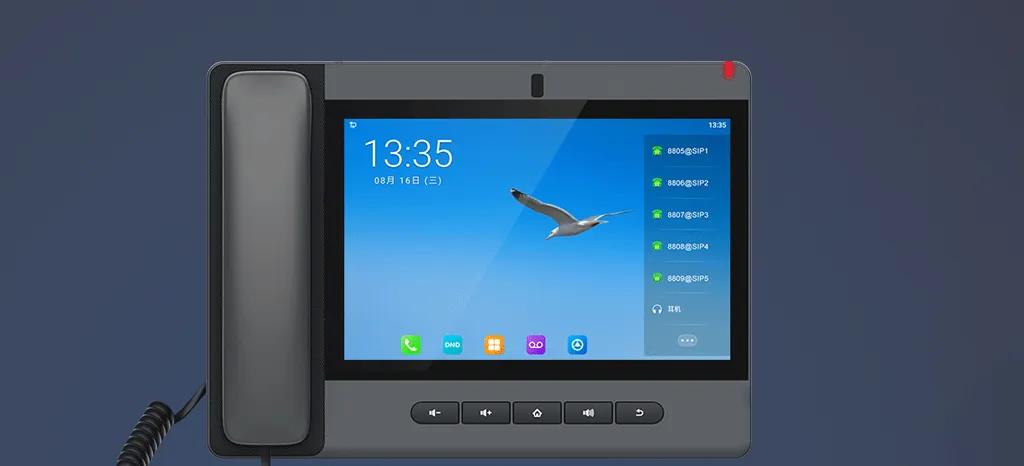
The Core Upgrade: Video Calling Redefines IP Phone Communication
Video calling represents the fundamental evolution of traditional voice-only IP phone communication, addressing the limitations of audio-only interactions by delivering richer, more contextual information exchange. In mission-critical roles where clear and comprehensive communication is non-negotiable, video-enabled IP phones have become essential tools, offering higher added value and tailored solutions for specialized communication scenarios.
A key technical breakthrough in this space is the integration of video-enabled IP phones with VoLTE (Voice over Long-Term Evolution) technology. This integration enables seamless video calling between standard SIP video phones and mobile devices, eliminating compatibility barriers between fixed and mobile communication terminals. The practical applications of this synergy are already being realized in high-priority sectors such as remote customer service and emergency response, where real-time visual communication can significantly improve decision-making efficiency and problem-solving capabilities. For field emergency teams, for example, VoLTE-integrated SIP video phones allow on-site personnel to transmit live visual data to command centers, enabling remote guidance and rapid resource allocation—an advantage that pure audio communication cannot match.
Video Dispatch: Empowering Industry Command and Control Systems
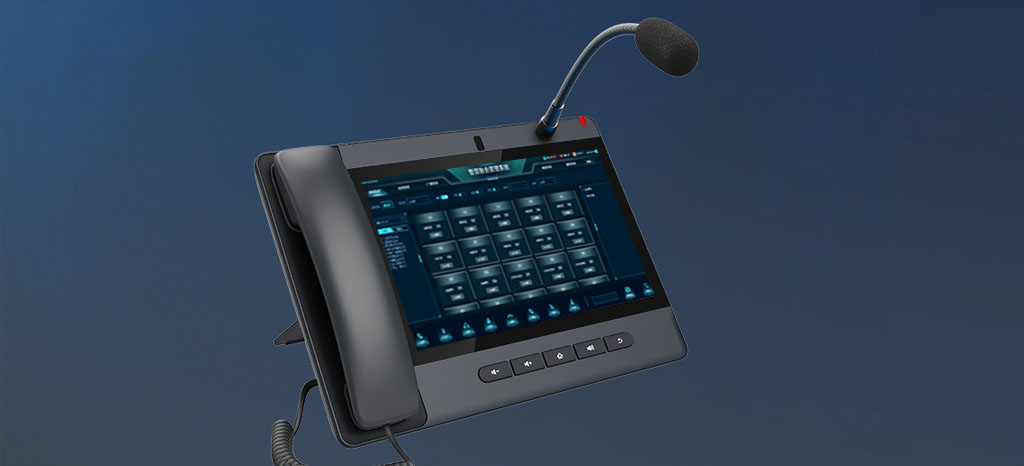
As the utility of IP phones in general office scenarios declines, their value in industry-specific dispatch and command applications has risen to the fore, with video dispatch emerging as a game-changing functionality compared to traditional audio-only dispatch systems. Video dispatch unlocks a far more comprehensive set of command and control capabilities, turning IP phones into intelligent terminals for visual scheduling and real-time coordination.
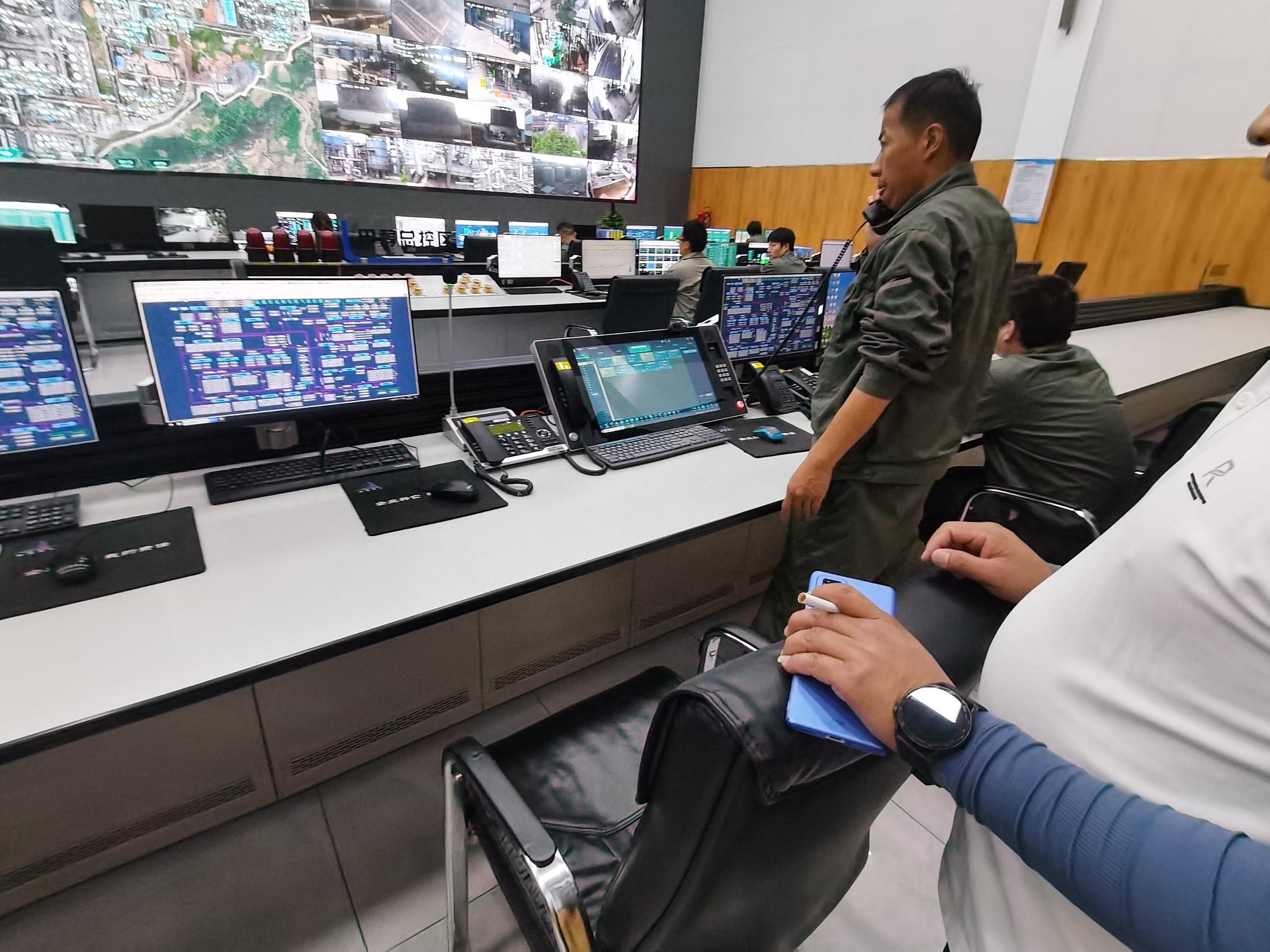
The technical implementation of video dispatch relies on the combination of video IP phones with large-screen intelligent dispatch interfaces, paired with custom smart APPs developed to meet the unique needs of dispatch operations. This integration creates a cohesive multimedia dispatch system that centralizes visual data, audio communication, and task management in a single platform. Recognizing the market potential, non-traditional IP phone manufacturers—including video surveillance providers, video conferencing solution developers, and dispatch console specialists—have entered this space, launching professional video dispatch IP phones designed to support the visualization requirements of modern command and control systems. These specialized devices are engineered to deliver low-latency video transmission, multi-terminal connectivity, and intuitive operation, making them ideal for industries such as transportation, public safety, and manufacturing, where real-time dispatch and visual oversight are critical.
Video Conferencing: A Compact and Efficient Desktop Participation Solution
Video conferencing is a staple of modern business communication, typically supported by dedicated hardware terminals and software platforms. However, for desktop-based participation in industry-specific video conferencing scenarios, video-enabled IP phones offer a streamlined and highly convenient alternative, filling the gap between full-scale conference rooms and mobile soft clients.
To effectively support video conferencing, video IP phones must be equipped with robust conference participation capabilities, and two primary integration methods have been widely adopted in the industry. The first leverages the SIP (Session Initiation Protocol) functionality of video phones, allowing them to connect as SIP terminals to video conference MCU (Multipoint Control Unit) platforms. This method is particularly well-suited for internal enterprise video conferencing systems, as it leverages existing SIP-based communication infrastructures and ensures seamless compatibility with on-premise conference setups.
The second method capitalizes on the Android-based smart APP installation capability of modern video IP phones. In this setup, the video phone acts as a hardware terminal—providing a high-definition camera, professional pickup microphones, and a tablet-style control interface—while video conference participation is enabled through dedicated terminal software. This approach places higher technical demands on the device: it requires an intelligent large screen for intuitive operation, and advanced video stream encoding and decoding capabilities to ensure smooth, high-quality video transmission. For enterprises with hybrid on-premise and cloud-based conferencing systems, this flexible integration method offers the best of both worlds, combining the reliability of hardware with the scalability of software.
Video Monitoring: Expanding IP Phones Beyond Communication to Visual Surveillance
The functionality of video-enabled IP phones has expanded far beyond traditional communication, with their large, high-resolution screens positioning them as versatile video monitoring and viewing terminals. This evolution has been driven by the demand for integrated security and communication solutions, particularly in control rooms and security dispatch centers, where real-time visual oversight is essential.
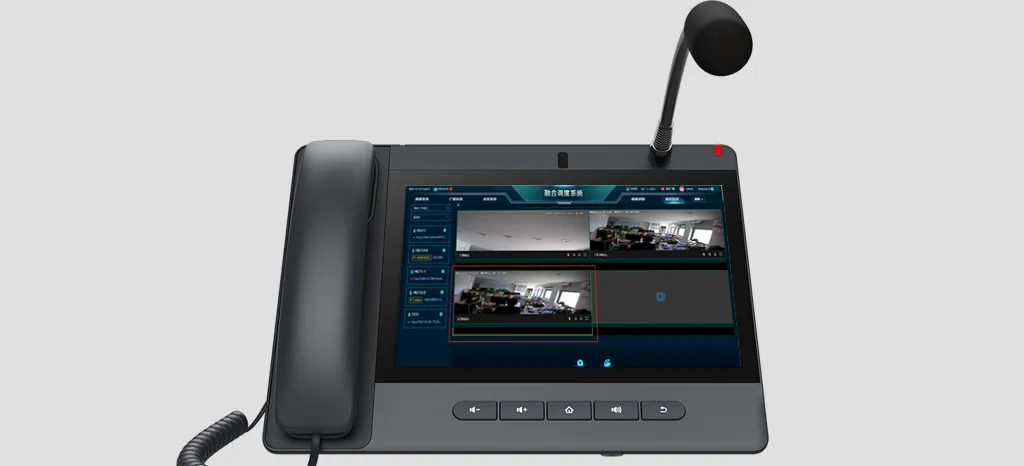
Traditional video surveillance manufacturers have recognized this opportunity and launched specialized video IP phones for control room use, engineered to integrate with access control systems and video surveillance platforms. These devices leverage their large-screen capabilities to display real-time surveillance feeds, and can be paired with IP access control intercom systems and IP broadcast speakers to create a unified solution for video viewing, IP voice broadcasting, and two-way intercom. This integration transforms video IP phones into a single hub for security operations, allowing personnel to monitor multiple surveillance streams, initiate intercom with on-site security points, and trigger voice broadcasts—all from a single terminal.
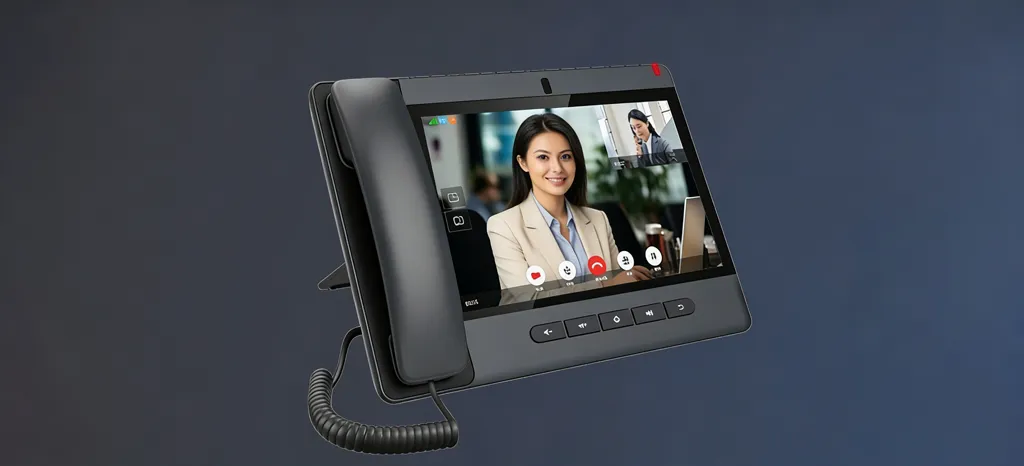
Beyond standard surveillance, these video IP phones support the viewing of diverse video sources, including real-time streaming media and drone footage, making them suitable for dynamic scenarios such as outdoor emergency response and large-scale event management. The ability to switch seamlessly between video viewing and audio/video calling further enhances their practical value, enabling users to respond to visual alerts with immediate communication and action. This native video functionality of IP phones has been optimized for specialized use cases, delivering a seamless and intuitive video application experience for end users.
Future Trends: The Evolution of Video-Enabled IP Phones
Against the backdrop of overall soft demand for traditional IP phones, the importance of video capabilities will only continue to grow, driving a new wave of technological innovation in the industry. For Becke Telcom and other industry players, the future of video-enabled IP phones lies in three key directions: larger screen displays, enhanced video processing power, and improved cross-platform compatibility.
Larger, high-definition screens will become a standard feature, enabling users to view multiple video feeds simultaneously and interact with intuitive touch-based control interfaces. Enhanced video processing capabilities—including support for 4K resolution, low-latency transmission, and advanced noise reduction—will ensure high-quality video communication even in bandwidth-constrained environments. Improved compatibility will be critical, with video IP phones required to support a wider range of protocols (including SIP, H.323, and ONVIF) and integrate seamlessly with existing enterprise systems, from video surveillance and access control to cloud-based video conferencing platforms.
The broader industry trend will focus on deeper integration of video applications with IP phone technology, breaking down silos between communication, dispatch, conferencing, and surveillance. Upstream and downstream manufacturers will collaborate to develop customized solutions for vertical industries, tailoring video-enabled IP phones to the unique needs of sectors such as public safety, healthcare, transportation, and manufacturing. This vertical integration will not only drive the adoption of video IP phones but also redefine their role as intelligent, all-in-one communication and control terminals in the enterprise ecosystem.
Conclusion
The rise of video functionality in IP phones is not just a response to market competition from instant messaging and video conferencing tools—it is a strategic evolution that aligns IP phone technology with the growing demand for visual, integrated, and real-time communication in modern enterprises. From video calling and dispatch to conferencing and monitoring, video-enabled IP phones have unlocked a diverse range of applications, delivering tangible value across mission-critical industries and scenarios.
As Becke Telcom and the industry continue to innovate, video-enabled IP phones will move beyond being mere communication devices to become central hubs for enterprise visual communication and control. The focus on larger screens, stronger video processing, and better compatibility will ensure that these devices remain relevant and indispensable in an increasingly visual and connected business landscape. For enterprises, investing in video-enabled IP phones is not just a hardware upgrade, but a strategic decision to enhance communication efficiency, improve operational visibility, and build a more agile and responsive organization.

 English
 Deutsch
 한국어
한국어 Русский
 Français
 日本語
日本語 لالعربية
 हिन्दी
 Español
 Português
 繁体中文
繁体中文 简体中文
简体中文