A SIP paging telephone is not a simple combination of a traditional loudspeaker and a telephone. It is an intelligent emergency communication terminal built on the SIP protocol, strategically positioned as an emergency response hub, an information transmission carrier, and a multi-system linkage node.
Compared with traditional analog paging telephones, SIP paging telephones leverage IP networks to achieve a fundamental breakthrough: two-way intercom communication combined with wide-area paging. They can be integrated into existing emergency dispatch systems without complex rewiring, enabling not only rapid delivery of emergency commands but also real-time feedback from on-site personnel. This capability effectively addresses the long-standing limitation of traditional emergency systems that could “broadcast instructions without receiving responses.”
For B2B users—including industrial plants, campuses, hospitals, government buildings, and public service facilities—the emergency communication assurance capability of SIP paging telephones directly determines response speed, coverage effectiveness, and system coordination. It is both a baseline requirement for regulatory compliance and a critical safeguard for minimizing losses during unexpected incidents.
Core Emergency Communication Capabilities of SIP Paging Telephones
1. Ultra-Fast Response: Time-Critical Assurance in Emergencies
The fundamental objective of emergency communication is rapid transmission with immediate feedback. SIP paging telephones achieve response speeds far beyond traditional devices.
Based on the lightweight SIP protocol and powered by industrial-grade dual-core processors, system startup time is typically less than one second. Once the handset is lifted or an emergency button is pressed, the terminal can automatically dial predefined emergency numbers or initiate emergency paging—eliminating complex operational steps and enabling true one-button alarm and instant response.
In emergency situations, users can quickly trigger paging broadcasts to disseminate evacuation or rescue instructions with minimal latency. Simultaneously, SIP paging telephones support automatic call answering with broadcast activation, allowing emergency dispatch centers to issue real-time voice commands directly to on-site locations. This immediate bidirectional interaction dramatically shortens emergency response cycles.
Compared with traditional analog systems that may suffer delays of several seconds—or even tens of seconds—SIP paging telephones provide critical time advantages that can directly impact personnel safety and incident containment.
2. Wide-Area Coverage and Clear Audio Transmission
In emergency scenarios, both coverage range and audio intelligibility are decisive factors. SIP paging telephones combine robust hardware and advanced audio technologies to ensure clear, comprehensive information delivery.
Equipped with high-power amplification circuits, these terminals support external loudspeakers up to 30W, delivering effective audio coverage from 50 to 500 square meters, depending on the environment. This flexibility enables deployment across diverse settings—from small administrative areas to large industrial plants, tunnels, ports, and logistics hubs—without communication blind spots.
To address acoustic challenges in harsh environments, SIP paging telephones utilize noise-resistant microphones capable of maintaining clear communication in ambient noise levels up to 100 dB(A). They also support 70V and 100V constant-voltage outputs, along with adjustable high/low EQ settings, allowing audio characteristics to be optimized for different site conditions.
Because voice transmission is IP-based, SIP paging telephones can operate across subnets, routers, and geographically distributed networks. Even in multi-building or multi-floor deployments, emergency instructions can be delivered accurately and consistently.
3. Adaptability to Harsh Environments: Stability Under Extreme Conditions
Most emergency incidents occur in environments that are far from ideal. High temperatures, dust, corrosive atmospheres, heavy moisture, or extreme cold are common in industrial and outdoor scenarios. The environmental resilience of SIP paging telephones is therefore a foundational element of their emergency communication assurance.
High-quality SIP paging telephones typically feature aluminum alloy enclosures with specialized sealing, achieving IP67 or even IP68 protection ratings. All cable entry points are sealed with professional anti-aging waterproof compounds, ensuring long-term stability in exposed or humid environments.
From a thermal perspective, these devices are engineered to operate reliably across a temperature range of -40°C to +75°C, with relative humidity tolerance from 10% to 95%. This makes them suitable for cold northern regions, hot and humid southern climates, high-temperature industrial workshops, and outdoor installations.
Additional design elements—such as anti-impact housings, corrosion-resistant materials, gold-plated PCBs, and durable silicone keypads rated for 500,000+ operations—ensure long service life and dependable performance, even in demanding industrial conditions.
4. System Integration and Scalable Expansion: The Core of Coordinated Emergency Response
Modern emergency response depends on multi-system coordination, and SIP paging telephones are designed to function as central nodes within integrated safety ecosystems.
Fully compliant with standard SIP protocols, SIP paging telephones can be seamlessly connected to VoIP systems, IP-PBX platforms, and emergency dispatch centers. They also support ONVIF and GB28181 protocols, enabling direct integration with video surveillance, access control, and alarm sensors.
When an anomaly is detected—whether by video analytics or sensor alarms—the system can automatically trigger emergency paging, enabling audio-video linkage and proactive incident response.
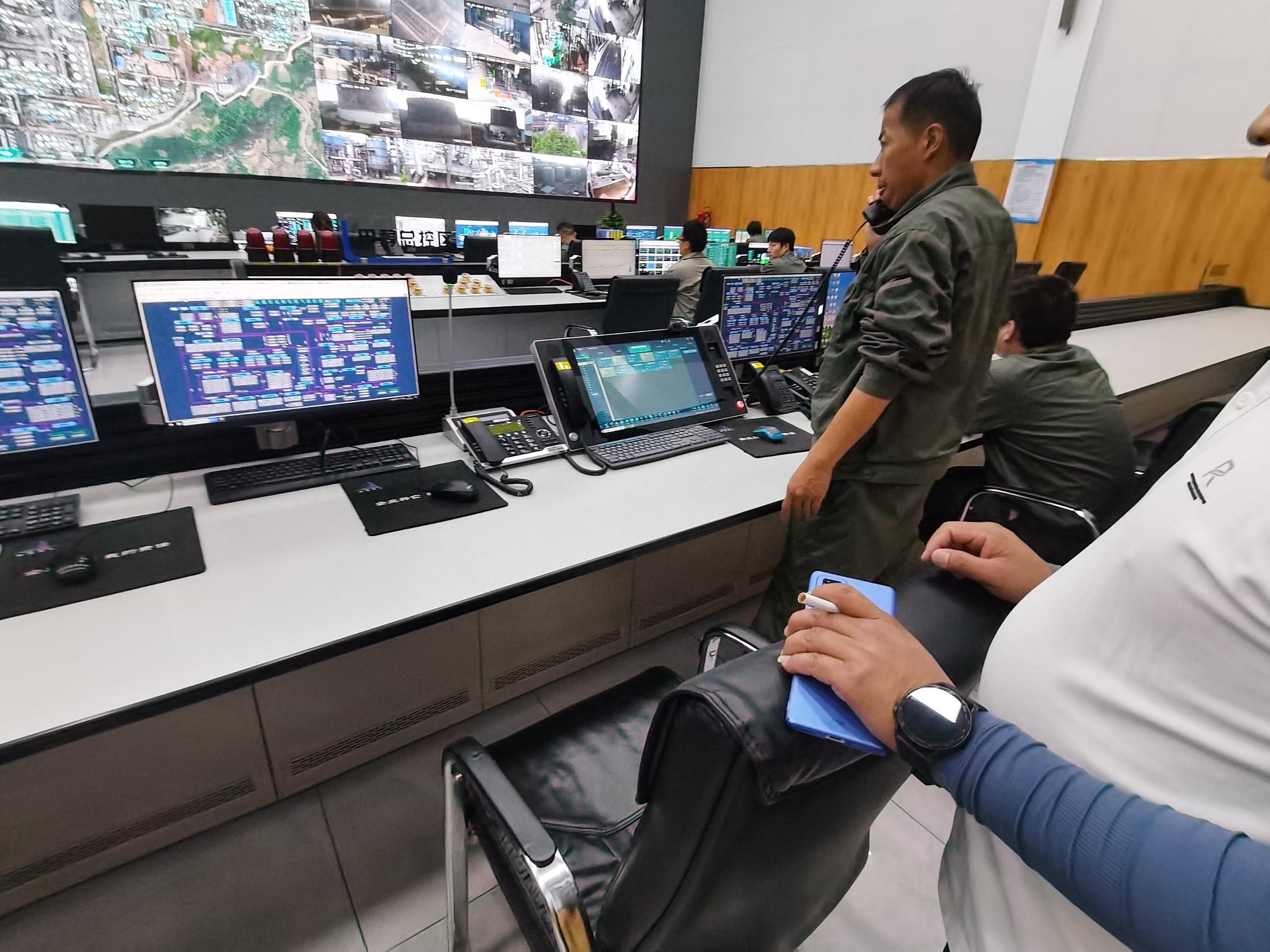
From a scalability standpoint, SIP paging telephones adopt distributed architectures that support centralized management of up to 1,000 terminals and 50 simultaneous intercom sessions. This architecture is well-suited for large campuses, industrial parks, and multi-site enterprises.
During large-scale emergencies with sudden spikes in communication traffic, systems can leverage private or hybrid cloud environments for elastic resource expansion without service interruption. Multi-party audio or video conferencing further enables coordinated communication between dispatch centers, on-site responders, and management teams.
Emergency Communication Applications Across B2B Scenarios
Industrial Facilities
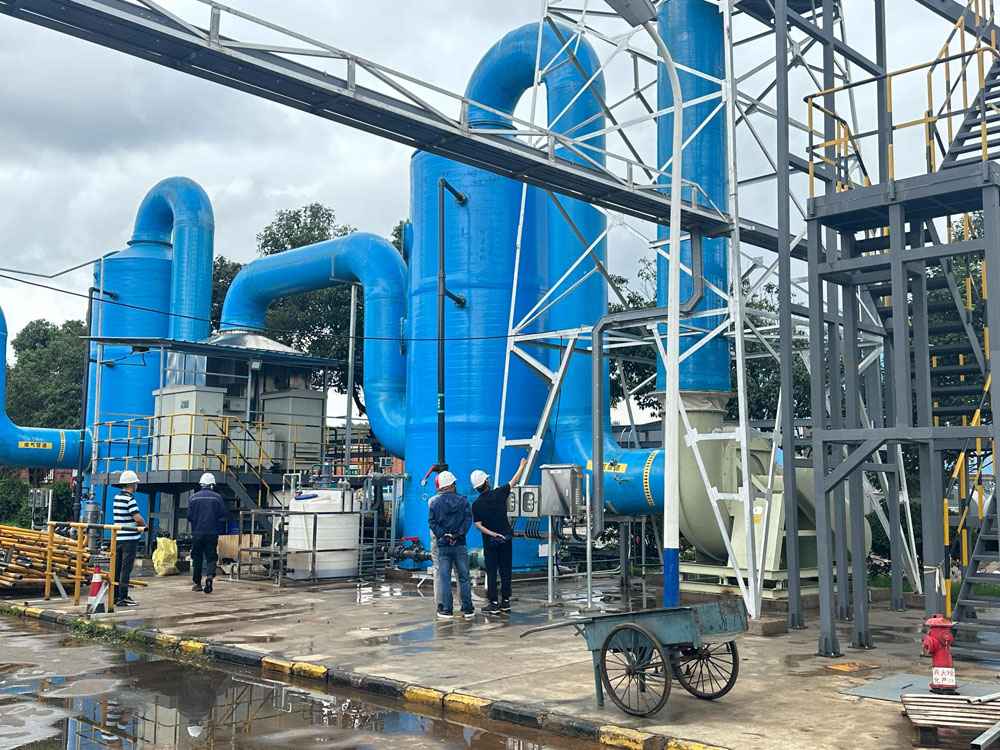
In industrial environments such as steel plants, mines, power stations, and ports, emergency risks include fires, equipment failures, and hazardous material leaks. SIP paging telephones—installed in workshops, warehouses, tunnels, and docks—offer IP68 protection, corrosion resistance, and high-temperature tolerance.
In emergencies, on-site personnel can trigger broadcasts instantly, while dispatch centers issue remote voice commands, coordinate rescue teams, and integrate paging with access control and fire systems to unlock exits and activate safety equipment simultaneously.
Public and Commercial Areas
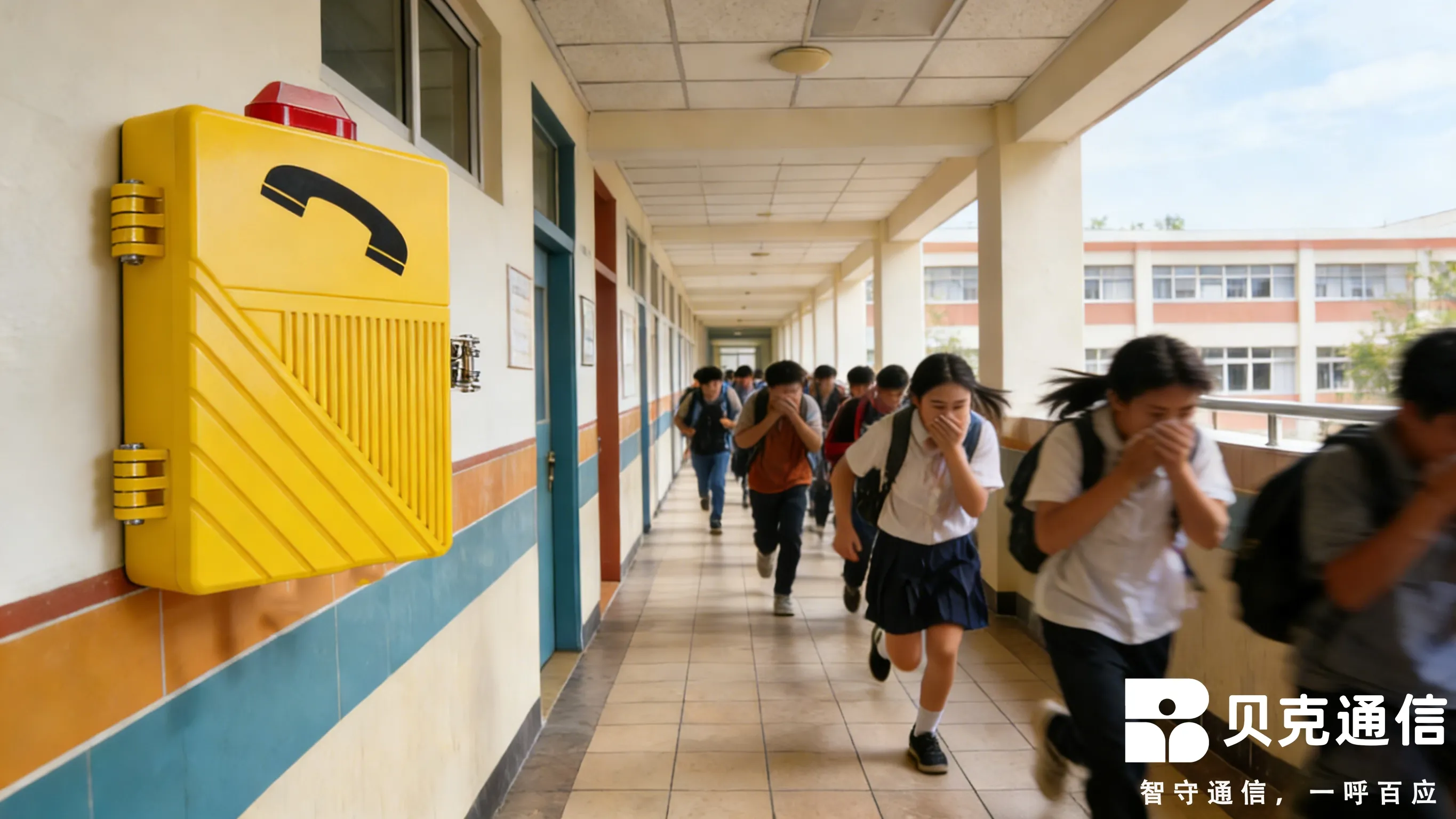
Campuses, libraries, government halls, and commercial complexes face emergency challenges related to fire safety, public security, and mass evacuation. SIP paging telephones support zoned paging, enabling targeted instructions that reduce panic and improve evacuation efficiency.
With one-button assistance features, individuals can directly contact security centers, while operators use paging and video linkage to guide evacuations and respond precisely to incidents.
Specialized Industries
In healthcare environments, SIP paging telephones integrate with smart ward systems, serving as bedside intercoms and emergency broadcast terminals. During medical emergencies or public health incidents, they enable rapid coordination of medical resources and real-time communication.
In government and public administration sectors, SIP paging telephones can connect with emergency hotlines, enabling synchronized paging and public announcements while supporting both voice and text communication to relieve channel congestion during crises.
Conclusion
As emergency communication systems continue to evolve, the emergency communication assurance capability of SIP paging telephones has become a decisive factor for B2B users seeking to improve safety response and risk mitigation.
With ultra-fast response, wide-area coverage, environmental resilience, and multi-system integration, SIP paging telephones overcome the limitations of traditional emergency communication equipment. They are adaptable across industrial, public, and specialized sectors, serving as a reliable communication backbone during critical moments.
For procurement teams, selection should focus on emergency performance metrics, system compatibility, and long-term support. For engineers, understanding SIP paging telephone architectures and integration methods is key to maximizing system value. As IP technologies advance, SIP paging telephones will continue to evolve toward greater intelligence and efficiency—strengthening the communication lifeline that protects people and assets alike.

 English
 Deutsch
 한국어
한국어 Русский
 Français
 日本語
日本語 لالعربية
 हिन्दी
 Español
 Português
 繁体中文
繁体中文 简体中文
简体中文