Explosion-proof telephones are critical communication tools in high-risk environments such as oil rigs, chemical plants, coal mines, and offshore platforms, where explosive gases or dust are present. Unlike regular telephones, these devices must adhere to stringent safety standards, providing not only robust protection but also intuitive user interfaces and reliable usability. The user interface design of explosion-proof phones directly impacts operational safety and efficiency in these high-risk environments. This article delves into the unique user requirements, hardware constraints, and software design challenges of explosion-proof telephones, offering practical insights into optimizing user interfaces for safety and convenience.
1. Unique Usage Environments and User Requirements for Explosion-Proof Telephones
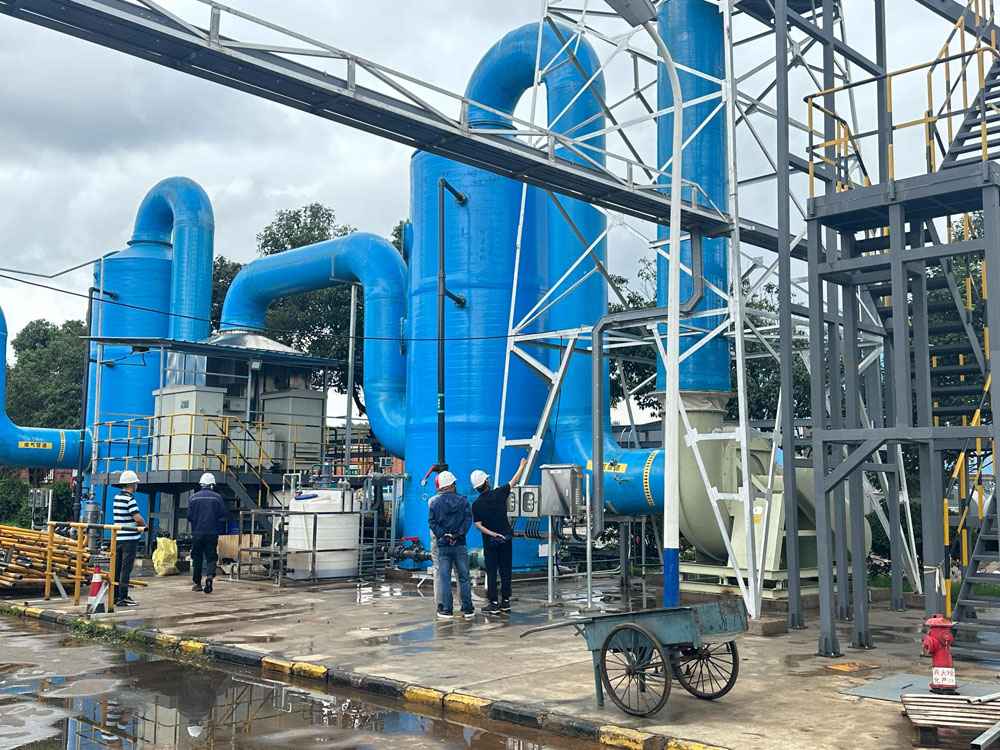
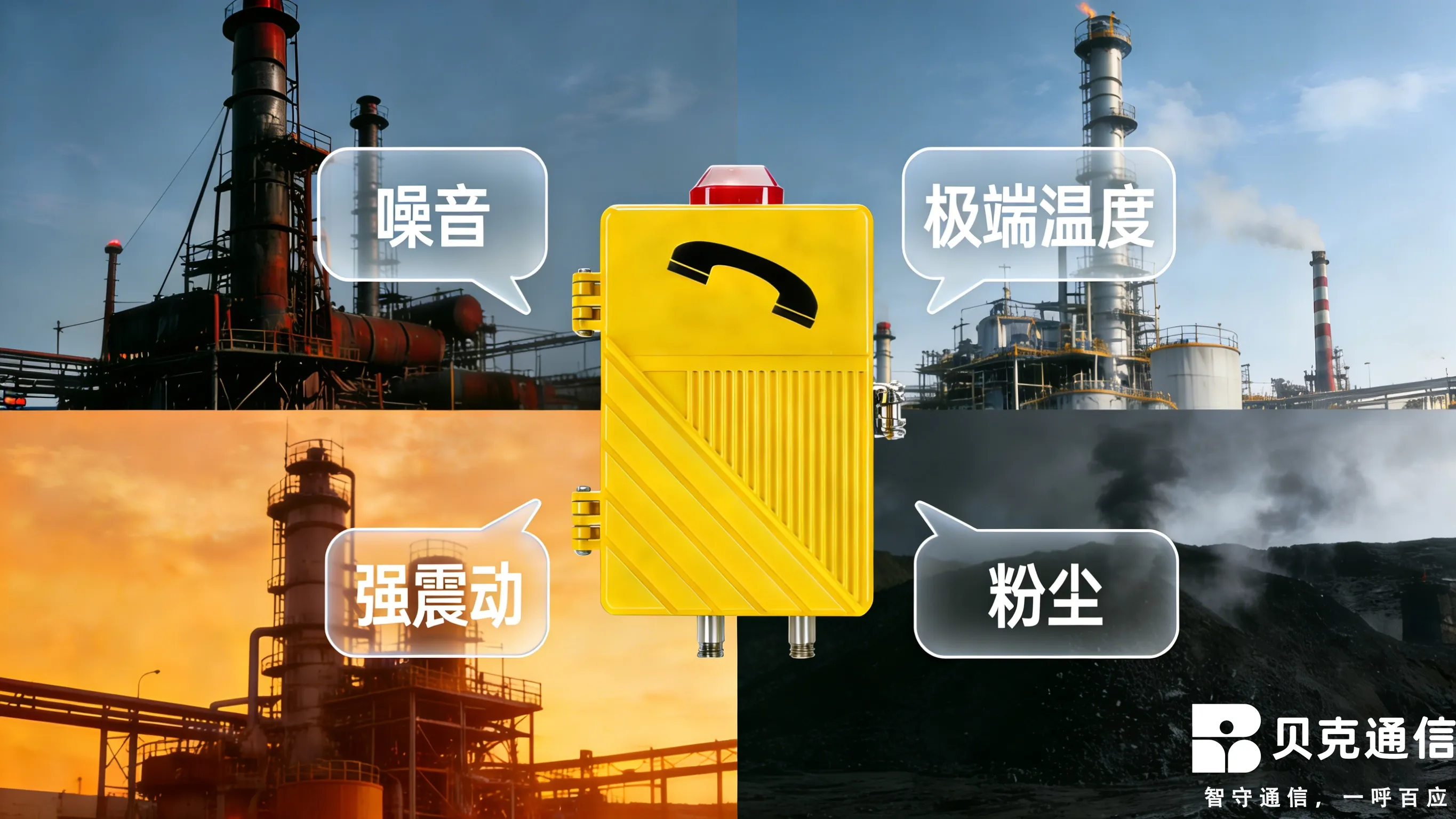
Explosion-proof telephones are used in environments with explosive gas or dust hazards, such as petroleum, chemical, mining, natural gas extraction, and offshore platforms. These environments are characterized by high noise levels, harsh physical conditions, and stringent safety requirements. For instance, in coal mines, noise levels can reach 110 decibels, while offshore platforms often exceed 85 decibels. Furthermore, these environments are subjected to extreme temperatures (-45°C to +60°C), high humidity (up to 95%), strong vibrations, and dust accumulation.
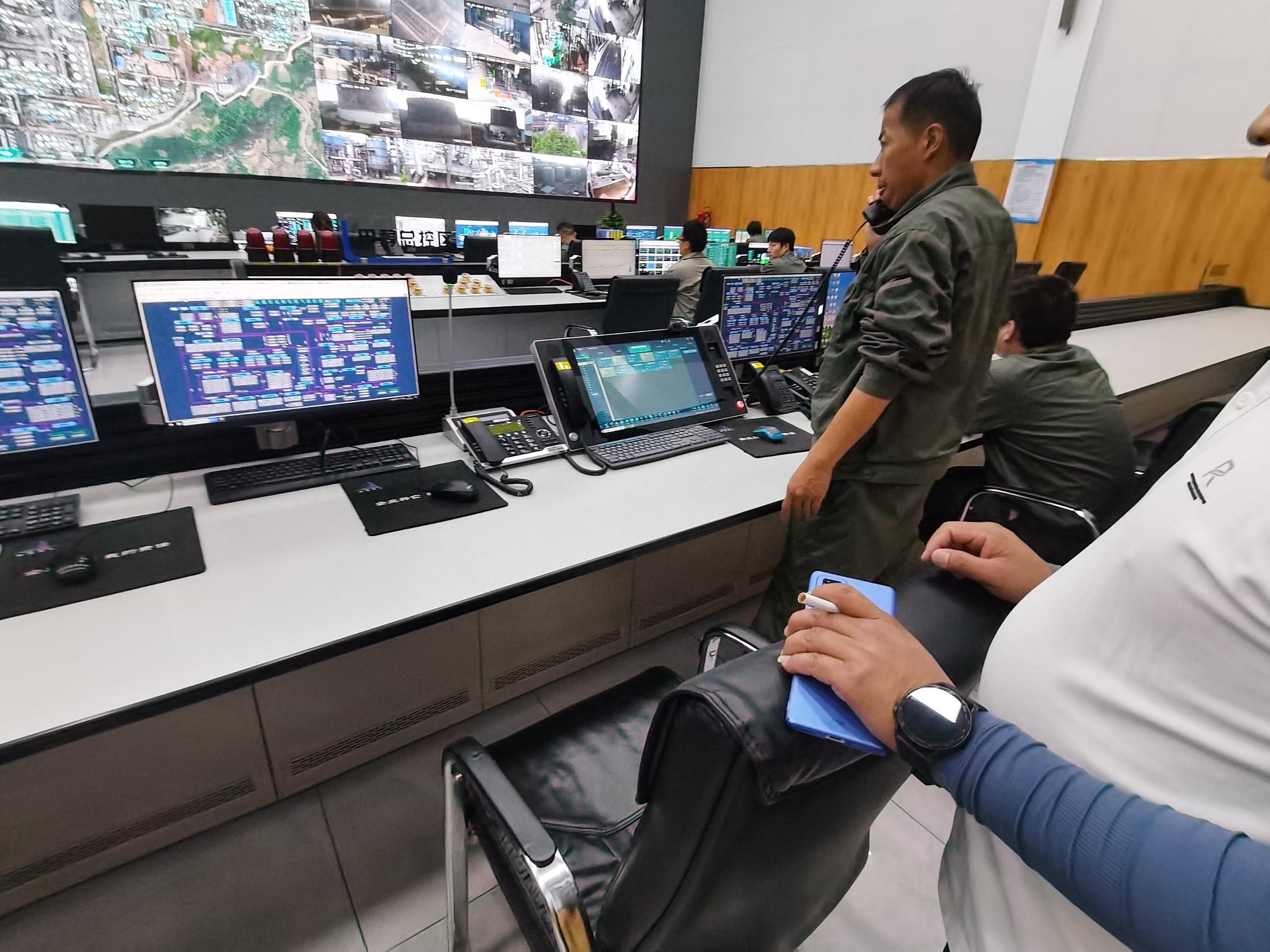
The main challenge for operators in these settings is to use the phone effectively under extreme noise, while wearing gloves, in low visibility, and during emergencies that require quick action. Key user demands for explosion-proof telephones include intuitive operation, environmental adaptability, emergency response speed, and functional reliability. For example, in mining environments, workers need to quickly locate an emergency call button in the dark. In offshore platforms, clarity in bright sunlight is crucial for visibility, while in chemical plants, workers need to operate phones efficiently while wearing gloves. According to industry surveys, 73.6% of large petrochemical companies require explosion-proof communication equipment to have multi-level access control to adapt to different safety zones and work environments. Additionally, users demand lighter, multifunctional, and easier-to-operate devices compared to traditional heavy and complex models.
2. Key Features of Current Explosion-Proof Telephone Hardware Interfaces
Explosion-proof telephone hardware interfaces are designed to meet stringent safety standards while offering practical features for hazardous environments. Button design is a key consideration, with many devices featuring sealed, illuminated, or stainless steel buttons. For instance, the KTH8 explosion-proof telephone uses illuminated light-touch keys, which provide visibility in dark environments. The Federal Signal FT400BX uses a 21-key stainless steel keypad, marked with ABC letters, which is suitable for glove operation. The KNEX1 explosion-proof phone employs zinc alloy buttons with a contact resistance of ≤30 ohms and a lifespan of ≥2.1 million presses, ensuring reliability during frequent use.
In terms of display technology, explosion-proof phones typically use large LCD screens or high-contrast displays with backlighting. For example, the Tuopon D50Ex features a 1W high-power speaker and backlight visibility in bright sunlight, while the Lenovo CL980 has a 2.4-inch HD touch screen with high visibility in strong light, enhancing the user experience. However, due to intrinsic safety design limitations, explosion-proof phones often use resistive touch screens instead of capacitive ones, minimizing the risk of electrostatic discharge. In terms of structural protection, the phone’s casing is made from high-strength materials such as aluminum alloy, stainless steel, or glass fiber-reinforced polyester (GRP). These materials ensure the phone’s durability and physical protection in extreme environments.
3. Optimizing Software Interface and Interaction Logic
Explosion-proof phones face significant challenges when it comes to software interface and interaction design due to complex operating environments and intrinsic safety restrictions. Many explosion-proof devices adopt simplified software interfaces that rely on physical buttons to directly trigger functions, rather than using multi-level menus. For example, the KTT10 explosion-proof direct-dial phone allows users to simply lift the receiver and press a call button to initiate communication. Similarly, the HL-SPHJ-D-A1 offers quick redial and call-waiting functionality to reduce the steps needed for emergency communications.
To optimize the software interface for environmental adaptability, high-contrast LCD displays and adjustable backlighting are commonly used. The Tuopon D50Ex has backlighting visible in strong light, while the Lenovo CL980 uses Omni-Glow backlighting for nighttime clarity. However, due to safety restrictions, most explosion-proof phones still require manual mode switching, although some advanced models are now integrating software-based brightness adjustment to automatically adjust display brightness based on ambient light conditions.
Emergency functionality is a crucial aspect of explosion-proof phone design. One-touch SOS call features are standard, such as the HL-SPHJ-D-A1’s dedicated emergency call button. Additionally, some phones include fall detection functionality that automatically triggers an alarm when the device detects it has been dropped or turned over, providing an added layer of safety in critical situations.
4. Key Features and Design Strategies to Enhance Usability
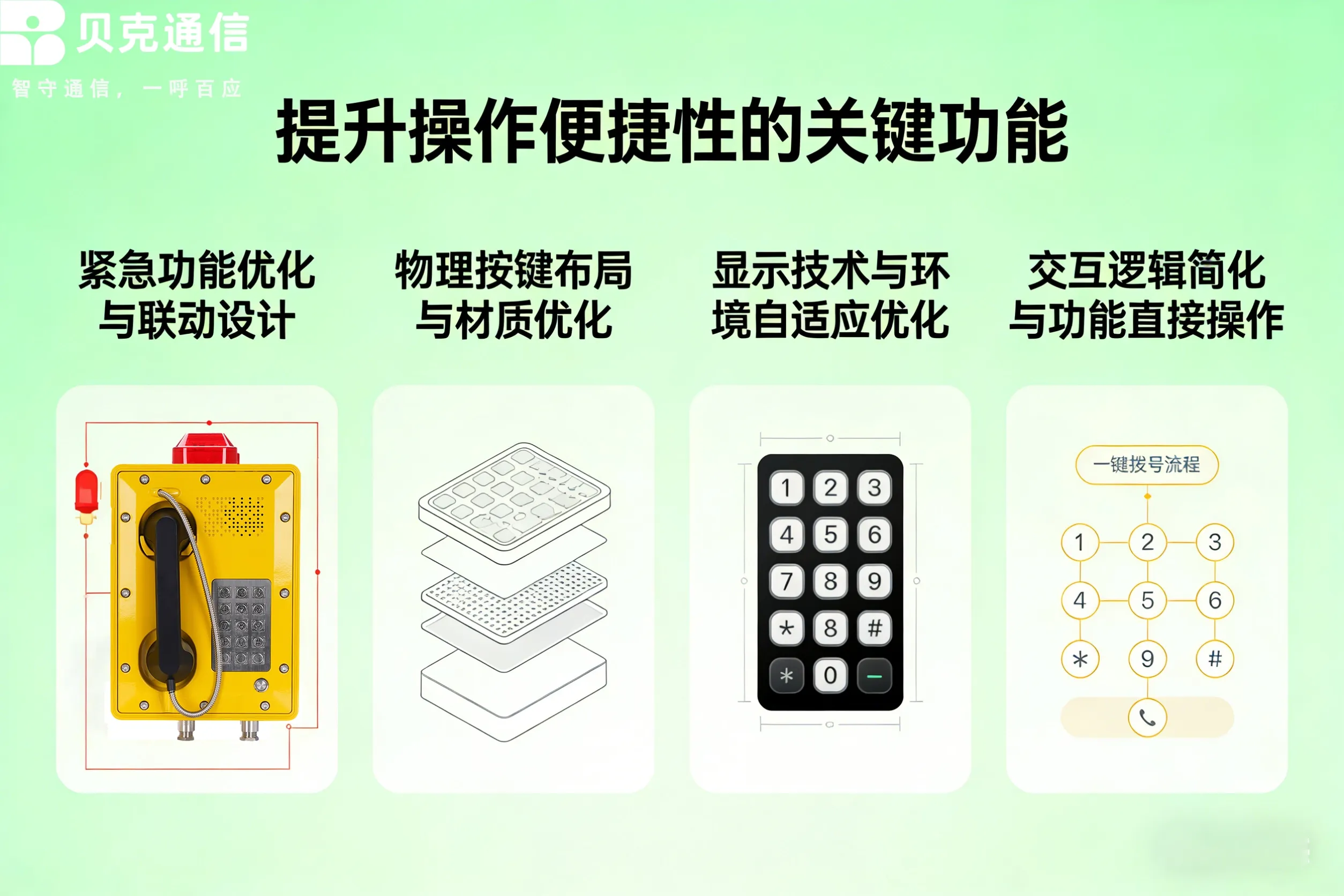
By analyzing the user requirements and challenges in hazardous environments, several key design features and strategies can be identified to improve usability:
4.1. Emergency Feature Optimization and Interlocking Design:
Emergency functions are vital, and their usability directly impacts safety. Key optimization strategies include placing emergency call buttons in easily accessible locations (e.g., on the side or top of the device) and offering multiple alarm methods (e.g., active, passive, and automatic alarms). Some phones also support integration with dispatch systems, enabling automatic notification and location tracking upon emergency alarm activation.
4.2. Physical Button Layout and Material Optimization:
Button layout significantly impacts usability. The best practice involves using durable materials like stainless steel or zinc alloy for buttons to ensure wear resistance and corrosion protection. The layout should also prioritize ergonomics, with commonly used buttons (e.g., emergency calls, redial) placed in easy-to-reach positions. Night-illuminated buttons help in low-light conditions.
4.3. Display Technology and Environmental Adaptation:
High-contrast LCD screens and backlighting systems are critical for usability in both bright and dark environments. Some models integrate light sensors to automatically adjust the display’s brightness. The display should also be simplified to avoid excessive information that could distract users in critical situations.
4.4. Simplified Interaction Logic and Direct Functionality:
Simple, direct interactions are crucial for reliable use in complex environments. Minimizing the need for multi-level menus, pre-setting common functions (e.g., one-touch emergency calls), and integrating both voice and visual cues (e.g., flashing red indicator lights) help simplify the user experience.
5. Industry-Specific Variations and Standardization Trends
Different industries impose specific demands on the design of explosion-proof phone interfaces. For example, the mining industry requires dustproof and impact-resistant designs, while chemical plants need corrosion and anti-static capabilities. Offshore platforms prioritize high corrosion resistance and waterproofing. With advancements in technology, the trend in explosion-proof phone interface design is moving towards standardization, focusing on uniform emergency function indicators, consistent operation processes, and standardized display formats. However, customization remains essential to cater to different explosion-proof standards (e.g., ATEX, IECEx, GB 3836) and unique operational environments.
6. Future Trends in Explosion-Proof Telephone Interface Design
With the advent of IoT, AI, and other advanced technologies, the design of explosion-proof phone interfaces is evolving. Future trends include the introduction of smart interaction technologies such as voice control, environmental sensors for automatic display brightness adjustment, and deeper integration with safety monitoring and personnel positioning systems, creating multifunctional, interconnected devices. The challenge lies in balancing innovation with the stringent safety requirements inherent to explosion-proof devices.
7. Best Practices and Case Studies in Explosion-Proof Telephone Interface Design
Analyzing successful cases from various industries reveals key best practices for explosion-proof phone interface design. For example, the KTH8 explosion-proof telephone used in the mining industry incorporates illuminated light-touch keys and ergonomic emergency call buttons for use in high-noise and high-dust environments. In the chemical industry, the KNEX1 features a corrosion-resistant, stainless steel keypad for use in harsh chemical environments. Offshore platforms benefit from the Tuopon D50Ex, which combines IP68 waterproofing with corrosion-resistant coatings, ensuring reliability in salty and humid environments.
8. Evaluation and Improvement Suggestions for Explosion-Proof Telephone Interface Design
To evaluate the user interface design of explosion-proof phones, several key criteria must be considered, including safety compliance (e.g., ExdibⅡBT6, IP54/IP67 ratings), ease of use (button layout, display clarity, emergency response time), and environmental adaptability (reliability under extreme conditions). Based on these criteria, recommendations for improvement include strengthening emergency function design, enhancing environmental adaptability with advanced sensor technologies, and simplifying user interaction logic to ensure faster and more reliable communication in critical situations.

 English
 Deutsch
 한국어
한국어 Русский
 Français
 日本語
日本語 لالعربية
 हिन्दी
 Español
 Português
 繁体中文
繁体中文 简体中文
简体中文