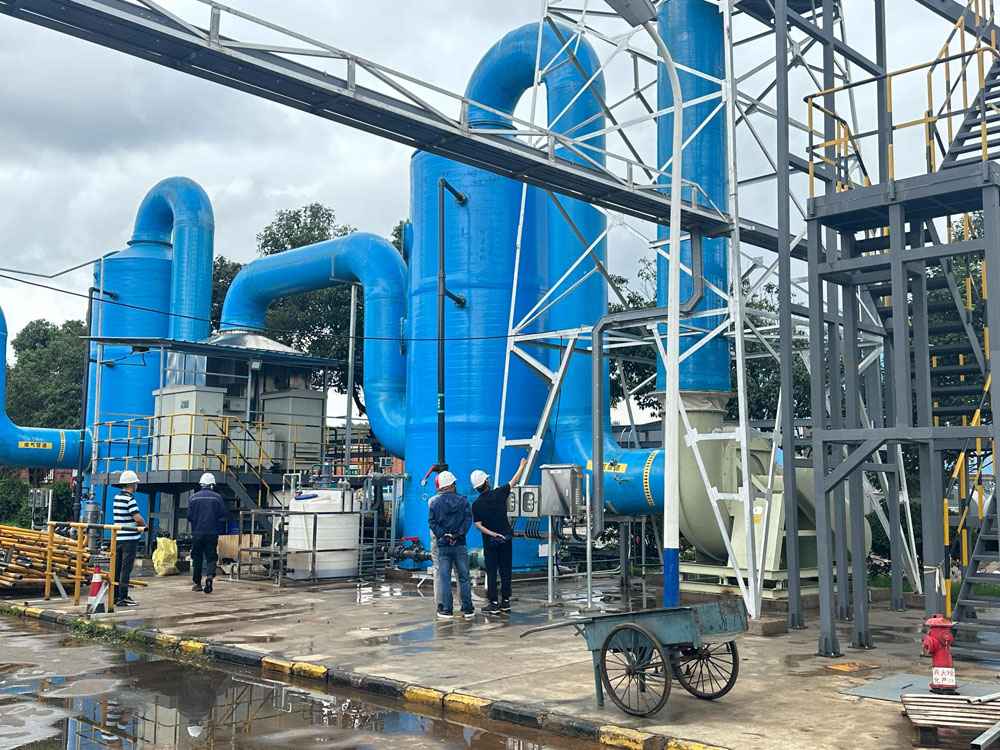
In the oil storage and transportation industry, safety communication is a key element for ensuring the efficient operation of oil depots and safeguarding personnel lives. Large oil depots, the core facilities for storing and transporting petroleum products, are characterized by high-risk environments, such as the presence of flammable gases, high noise levels, dense and widely distributed equipment, and harsh working conditions. In such environments, traditional communication methods face numerous challenges, including poor signal coverage, low interference resistance, and unreliable safety.
Explosion-proof amplified intercom systems, specifically designed for hazardous environments, are rapidly becoming standard equipment in oil depot safety communication systems due to their explosion-proof characteristics, noise resistance, and flexible networking options. These systems effectively address key communication challenges in oil depots.
1. Technical Principles and Core Functions of Explosion-Proof Amplified Intercom Systems
Explosion-proof amplified intercom systems are industrial communication terminals combining explosion-proof design, amplified communication, and intelligent control. They are designed for hazardous locations with flammable and explosive gases. The core technologies of these systems include explosion-proof design, noise reduction, communication modes, and environmental adaptability.
Explosion-Proof Design: The foundation of explosion-proof intercom systems. These devices typically adopt intrinsic safety (Ex ib) or flameproof (Ex d) designs to prevent ignition in hazardous environments. For example, the Topcom A50Ex explosion-proof intercom meets the Ex ib IIC T4 Gb standard, ensuring safe usage in oil storage and transportation areas.
Noise Reduction Technology: One of the core advantages of explosion-proof amplified intercom systems. Modern devices use DSP (Digital Signal Processor) and digital noise reduction algorithms to maintain clear communication in high-noise environments. For instance, the SKHZ-1 digital anti-noise explosion-proof system maintains communication clarity in environments with noise levels of up to 120 dB, far exceeding traditional devices' 95 dB limit.
Communication Mode Flexibility: Explosion-proof intercom systems support multiple communication methods, including point-to-point, group calls, all-call, and emergency calls. The JWBT-1B series, for example, supports group calls (all-call by pressing "* or #"), group-specific calls, and individual calls. Some models even feature automatic broadcasting when a call reaches a set number of rings, reducing unnecessary noise interference.
Environmental Adaptability: These systems are designed to withstand the extreme conditions found in oil depots. With temperature ranges from -30°C to +80°C, humidity resistance of 95% (+25°C), and advanced protective features such as corrosion resistance and waterproof ratings (IP65/IP66), they ensure reliable operation in challenging environments.
2. Communication Environment and Safety Demands of Large Oil Depots
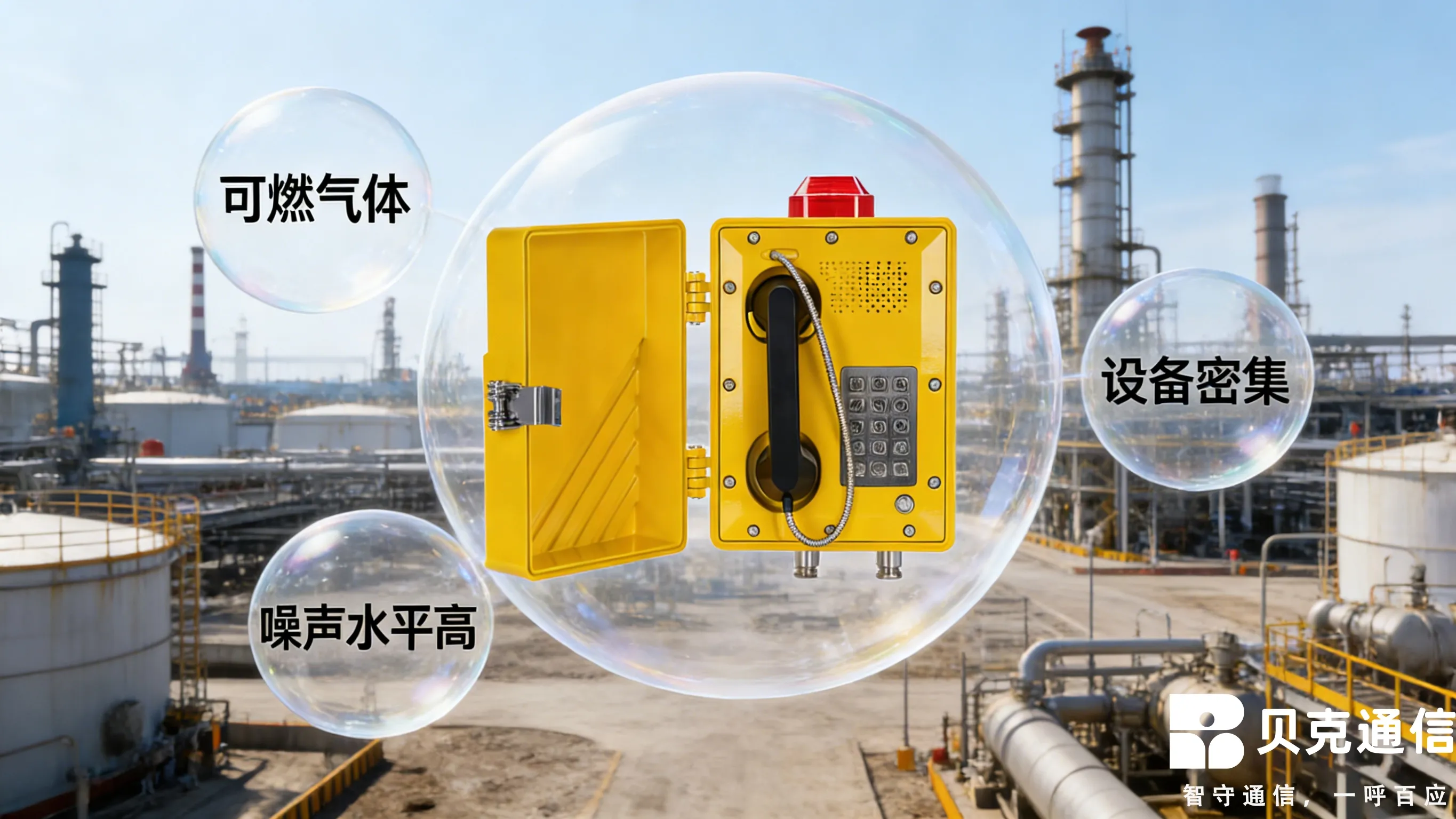
Large oil depots present complex communication challenges due to their unique environment. These facilities are characterized by high noise levels (e.g., mechanical operations and oil pump operations), corrosive gases (e.g., oil vapors and chemicals), electromagnetic interference (due to large equipment and pipelines), and extreme weather conditions.
Noise Levels: For example, noise levels in oil tank areas often exceed 80-100 dB, which exceeds the operational limits of traditional communication equipment.
Layout Complexity: Oil depots consist of multiple dispersed areas, including storage areas, pump rooms, transport zones, and pipelines. Traditional wired communications are difficult and dangerous to implement due to the risk of fires or explosions. The complexity of such layouts also complicates system integration, as various communication protocols (RS485, HART, ProFibus, etc.) are used, which lack unified standards.
Safety Risks: Flammable gases frequently permeate the air, and any spark, electrical arc, or high temperature could lead to explosions or fires. Communication devices must meet strict explosion-proof certifications to ensure safety under these conditions.
These factors necessitate the use of specialized communication devices, such as explosion-proof amplified intercom systems, to ensure safety and reliability.
3. Application of Explosion-Proof Amplified Intercom Systems in Daily Dispatch at Oil Depots
Explosion-proof amplified intercom systems play a pivotal role in daily dispatch communication at oil depots, addressing inefficiencies in traditional systems. Oil depot dispatch communication involves various activities, such as coordinating oil delivery operations, monitoring equipment status, and managing personnel tasks. Explosion-proof systems provide a reliable communication foundation for these activities.
Group Communication: Explosion-proof intercoms support multi-level dispatch functions, such as preset groups for inspection, emergency repair, and security teams. This allows dispatchers to quickly contact multiple teams simultaneously, ensuring efficient operation.
Priority Communication: The "force insert" feature allows dispatchers to override ongoing communications and transmit critical instructions. This is particularly useful in emergencies, such as when a tank reaches its maximum liquid level, and adjustments need to be made swiftly.
Remote Network Integration: With advanced features such as IP network integration, these systems allow for long-distance, stable communication and simplify network expansion and system maintenance.
4. Application of Explosion-Proof Amplified Intercom Systems in Equipment Inspections at Oil Depots
Routine inspections are critical for ensuring the safe operation of oil depots. Explosion-proof amplified intercom systems support these activities by providing real-time communication and data integration, which improves the efficiency of inspection processes.
Real-Time Reporting: Inspectors can immediately report anomalies (e.g., leaks in valves) to the control center via the intercom system. This reduces response time and mitigates risks associated with delayed actions.
System Integration: Explosion-proof systems can be integrated with monitoring devices like gas detectors, temperature sensors, and liquid level switches. When an anomaly is detected, the system can automatically trigger alarms, notifying personnel promptly.
Remote Guidance: These systems allow inspectors to communicate directly with experts in the control center for technical guidance, reducing the need for personnel to enter hazardous areas.
5. Application of Explosion-Proof Amplified Intercom Systems in Emergency Response at Oil Depots
In emergency situations such as leaks, fires, or explosions, explosion-proof intercom systems play a crucial role in ensuring continuous communication, accurate instructions, and fast rescue operations.
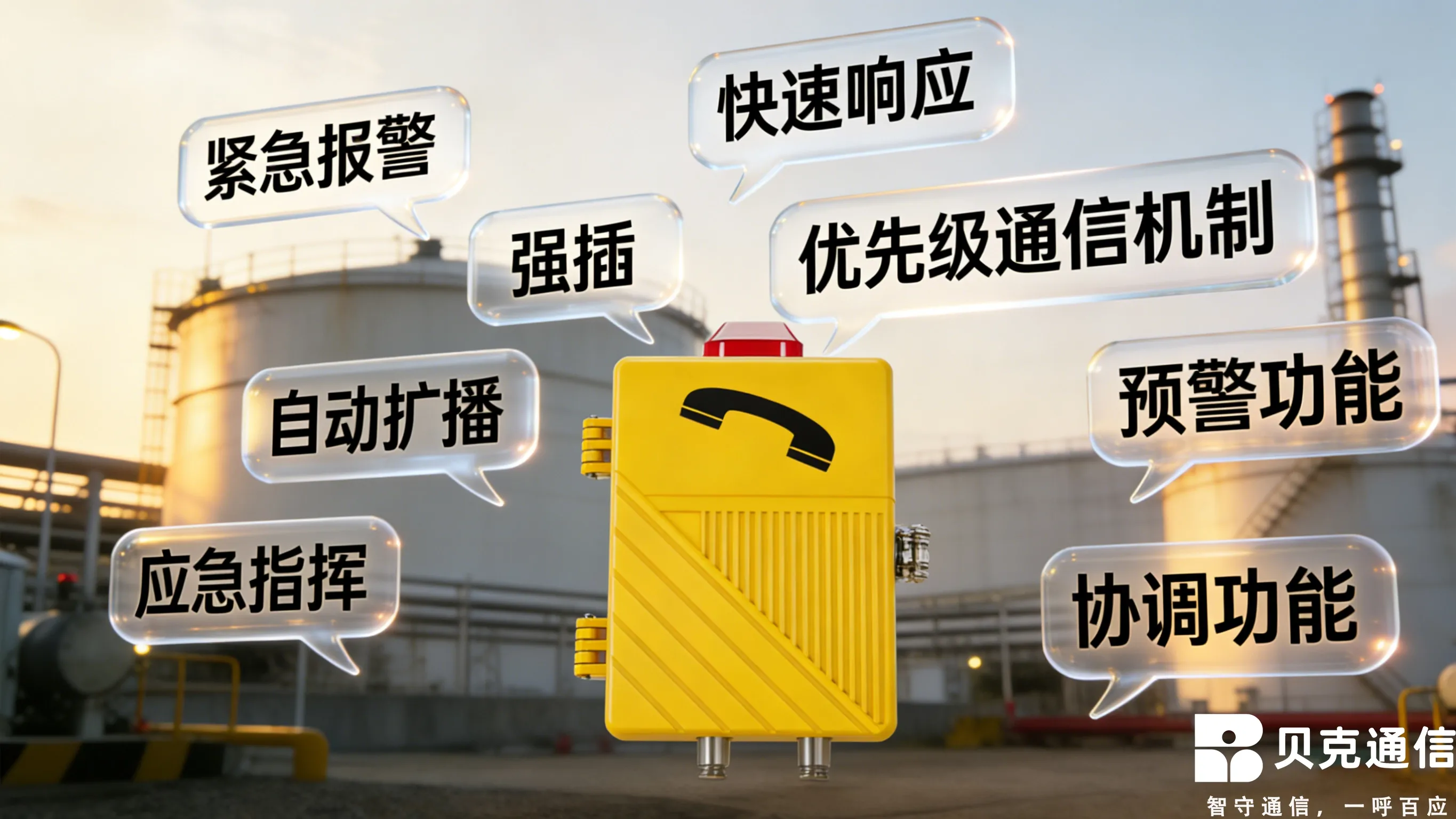
Emergency Alerts: Explosion-proof intercoms feature one-touch emergency alerts, which allow workers to quickly send an SOS signal with their location, triggering an emergency response.
Priority Communication: In case of emergencies, dispatchers can interrupt current communication to broadcast urgent instructions, ensuring timely and clear communication.
Coordinated Emergency Response: These systems support multi-party communication, enabling dispatchers to coordinate actions with multiple rescue teams simultaneously, which is essential for efficient emergency management.
6. Value of Explosion-Proof Amplified Intercom Systems for Safety Communication in Oil Depots
Explosion-proof amplified intercom systems significantly enhance safety, efficiency, and cost-effectiveness in oil depots.
Safety Value: With stringent explosion-proof certification (e.g., Ex ib IIC T4 Gb), these devices ensure safety in hazardous environments. Their high protection standards (IP65/66) and corrosion resistance further reduce safety risks.
Efficiency Value: The systems improve communication reliability in noisy environments and offer flexible communication modes, allowing dispatchers to effectively manage operations and respond quickly to changing situations.
Cost Value: By reducing the need for wired networks in hazardous areas and simplifying maintenance processes, explosion-proof intercom systems help reduce installation and operational costs.
7. Conclusion
Explosion-proof amplified intercom systems are essential for safe and efficient communication in oil depots, addressing the limitations of traditional communication methods. These systems not only improve daily dispatch operations and inspection efficiency but also ensure fast and coordinated emergency responses. As technology advances, these systems will integrate further with digital platforms, AI, and 5G networks to provide even more comprehensive and efficient solutions for oil depot safety management.

 English
 Deutsch
 한국어
한국어 Русский
 Français
 日本語
日本語 لالعربية
 हिन्दी
 Español
 Português
 繁体中文
繁体中文 简体中文
简体中文