Highway toll stations, unmanned parking lots, and public area assistance scenarios demand reliable communication and real-time visualization to ensure smooth operations and rapid response to emergencies. One-touch intercom terminals, leveraging SIP protocol-based VOIP communication, have become a staple in these environments due to their flexible deployment and ease of use. A key requirement in such projects is the intelligent integration of one-touch intercom terminals with video surveillance cameras—when a user presses the intercom button to initiate a call, the corresponding camera’s video feed should automatically be pulled up on the dispatch console or video phone display, enabling operators to grasp on-site situations in real time.
This article details a practical one-touch intercom and camera integration solution, addressing common challenges in implementation and highlighting how Becke Telcom’s video access gateway enhances compatibility, stability, and management efficiency. Whether for small-scale toll station projects or large-scale intelligent transportation systems, this guide provides actionable insights for seamless integration.
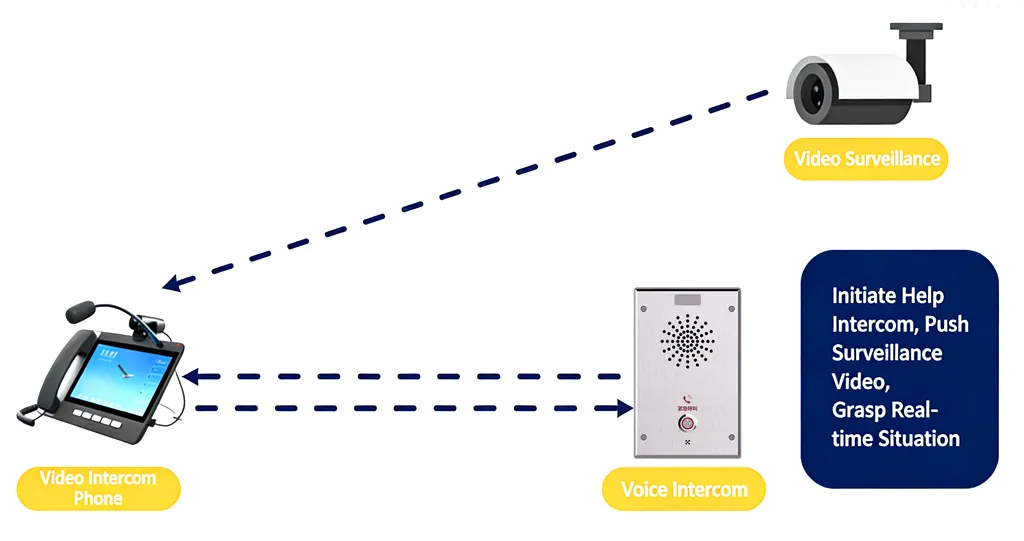
How One-Touch Intercom and Camera Integration Works
The core of one-touch intercom and camera integration lies in establishing a direct link between communication terminals and video devices, enabling automatic video retrieval upon intercom activation. This integration is widely adopted in scenarios where visual verification is critical, such as emergency assistance at toll booths, security alerts in unmanned parking lots, and on-site communication in public facilities.
Basic Integration via RTSP Streaming
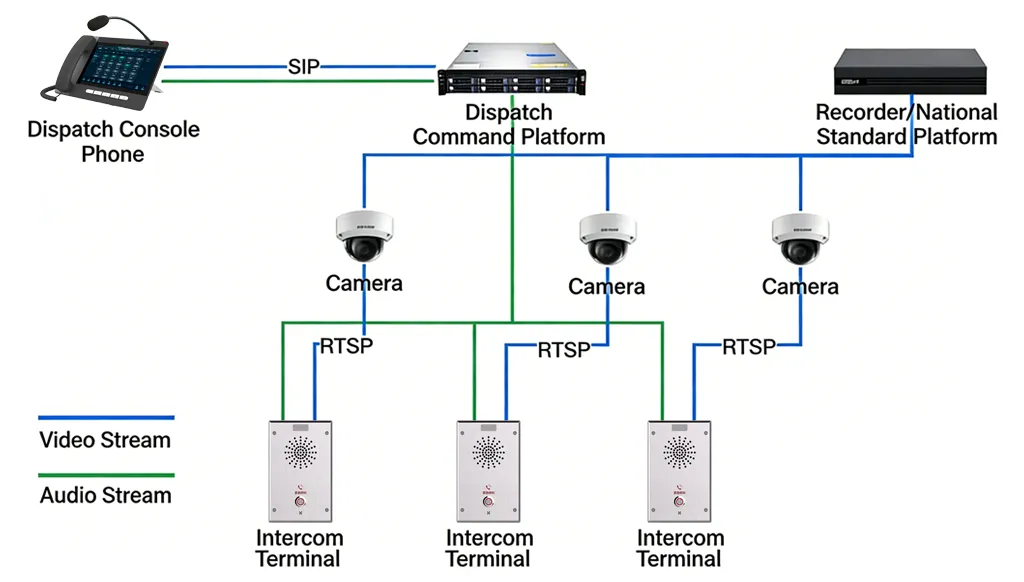
The simplest implementation of this integration involves configuring RTSP (Real-Time Streaming Protocol) pull streams on one-touch intercom terminals to connect with corresponding cameras. For example, at a specific toll lane, when a driver presses the intercom button for assistance, the terminal automatically initiates an RTSP request to the pre-configured camera, retrieving the real-time video feed and displaying it on the connected dispatch console or video phone.
In this basic setup, the network architecture consists of one-touch intercom terminals, video surveillance cameras, a dispatch command platform, video recorders/national standard platforms (GB/T28181-compliant), and SIP-based communication devices. Each intercom terminal is configured with the RTSP stream URL of its paired camera—typically in the format rtsp://[Camera IP Address]/device/[Device ID]—such as the sample URL rtsp://192.168.2.151/device/31011500001370011001 used in practical configurations. Audio streams are transmitted via SIP protocol, ensuring synchronized voice communication and video display.
This basic integration offers advantages like low implementation complexity and minimal hardware requirements, making it suitable for small-scale projects with a limited number of intercom terminals and cameras. However, as video surveillance capabilities advance and intelligent applications expand, this approach faces significant limitations that can hinder project execution.
Limitations of Basic Integration Without Video Access Gateway
While direct RTSP configuration works for simple setups, it struggles to meet the demands of modern intelligent projects, particularly in large-scale highway toll systems. Key challenges include:
Protocol and Encoding Compatibility Issues
Different cameras and intercom terminals may support varying video protocols and encoding standards. For instance, some cameras output H.265-encoded video, while older intercom terminals or dispatch systems only support H.264. This mismatch prevents video streams from being properly decoded and displayed. Similarly, compatibility issues between non-standard protocols and mainstream systems can lead to failed stream retrieval, disrupting the integration.
Cross-Network Deployment Barriers
Highway toll stations often span multiple network segments, with cameras deployed in field locations and dispatch consoles located in remote command centers. Direct RTSP streaming across networks can be blocked by firewalls or network address translation (NAT) devices, resulting in unstable or inaccessible video feeds. This cross-network communication challenge becomes even more pronounced in large-scale projects covering extensive geographic areas
Camera Overload and Management Complexity
Each RTSP stream pull request consumes camera bandwidth and processing resources. In scenarios with multiple intercom terminals accessing the same camera simultaneously, the device can become overloaded, leading to video freezes, delays, or complete stream failures. Additionally, managing individual RTSP configurations for dozens or hundreds of intercom terminals and cameras is time-consuming and prone to human error, increasing maintenance costs.
Security Risks
Direct exposure of camera RTSP URLs in intercom terminal configurations poses security vulnerabilities. Unauthorized access to these URLs can lead to video leakage, compromising the security of toll station operations and sensitive on-site information. Basic integration setups lack effective encryption and access control mechanisms to mitigate these risks.
Enhanced Integration Solution with Becke Telcom’s Video Access Gateway
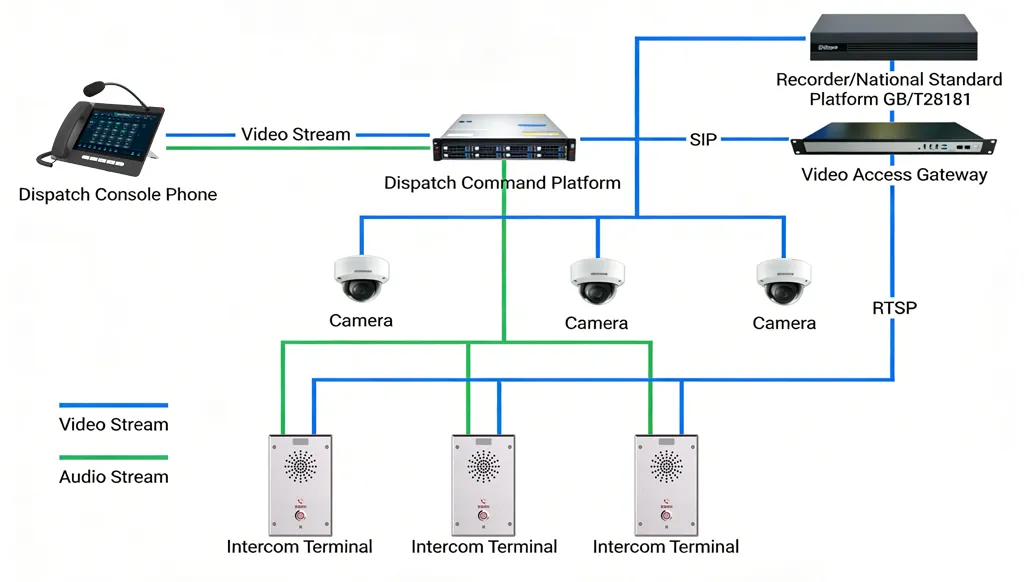
To address the limitations of basic integration, Becke Telcom’s video access gateway serves as a centralized hub for video stream management, protocol conversion, and secure distribution. This solution not only resolves compatibility and stability issues but also scales to meet the needs of large-scale intelligent transportation projects.
Core Functions of the Video Access Gateway
Becke Telcom’s video access gateway is designed to streamline intercom-camera integration with powerful features tailored to industrial communication needs:
Multi-Protocol Support
The gateway supports a wide range of streaming protocols, including RTSP for direct camera access and GB/T28181 (China’s national standard for video surveillance system interconnection) for integration with large-scale video management platforms. This multi-protocol support enables seamless connectivity with diverse cameras, video recorders, and dispatch systems, eliminating protocol barriers in complex project environments.
For large-scale highway toll projects, integrating via GB/T28181 allows the gateway to serve as a unified video access point, connecting to the central national standard platform and distributing video streams to authorized intercom terminals. Smaller projects can leverage RTSP for direct camera connections, ensuring flexibility across deployment scales.
Real-Time Video Transcoding
A key advantage of the gateway is its advanced transcoding capability. It automatically converts incompatible video encodings and resolutions to match the requirements of intercom terminals and dispatch systems. For example, H.265-encoded video from modern cameras is transcoded to H.264 for compatibility with legacy devices, while high-resolution streams (e.g., 4K) are downscaled to lower resolutions (e.g., 1080p or 720p) to optimize bandwidth usage and ensure smooth playback on resource-constrained terminals.
This transcoding function eliminates the need for manual configuration of video parameters for each device, reducing deployment time and minimizing compatibility-related issues.
Centralized Video Stream Management
The gateway acts as a video middleware, centrally managing all camera streams and distributing them to intercom terminals on demand. This centralized approach prevents camera overload by controlling the number of concurrent stream requests and allocating bandwidth efficiently. For example, if multiple intercom terminals request video from the same camera, the gateway forwards a single stream to the camera and replicates it to the requesting terminals, reducing resource consumption.
Additionally, the gateway provides a unified management interface for configuring camera connections, stream parameters, and access permissions. Administrators can easily map intercom terminals to specific cameras, update stream URLs, and monitor device status, simplifying system maintenance and reducing operational costs.
Secure and Stable Cross-Network Transmission
Becke Telcom’s video access gateway ensures secure and stable video transmission across network segments with built-in encryption and NAT traversal capabilities. Video streams are encrypted during transmission to prevent unauthorized access, addressing the security risks of basic integration setups. The gateway’s NAT traversal technology enables seamless communication between intercom terminals and cameras deployed in different network environments, eliminating cross-network connectivity issues.
ROIP Gateway Integration
For projects requiring radio communication integration, the gateway supports ROIP (Radio over IP) functionality, replacing traditional cluster gateways and cluster intercom gateways. This integration enables seamless communication between one-touch intercom terminals, video devices, and radio systems, extending the reach of the communication network and enhancing collaboration between on-site personnel and remote dispatch teams.
Network Architecture of the Enhanced Solution
The enhanced integration solution with Becke Telcom’s video access gateway features a layered architecture for reliability and scalability:
- Terminal Layer: Includes one-touch intercom terminals, video surveillance cameras, video phones, and ROIP devices deployed at toll lanes, parking lots, and public areas.
- Gateway Layer: Becke Telcom’s video access gateway serves as the core, connecting to cameras via RTSP or GB/T28181, transcoding video streams, and distributing them to intercom terminals and dispatch systems.
- Platform Layer: Comprises the dispatch command platform, video recorder, and national standard video platform (GB/T28181-compliant), enabling centralized monitoring, recording, and management of video and audio streams.
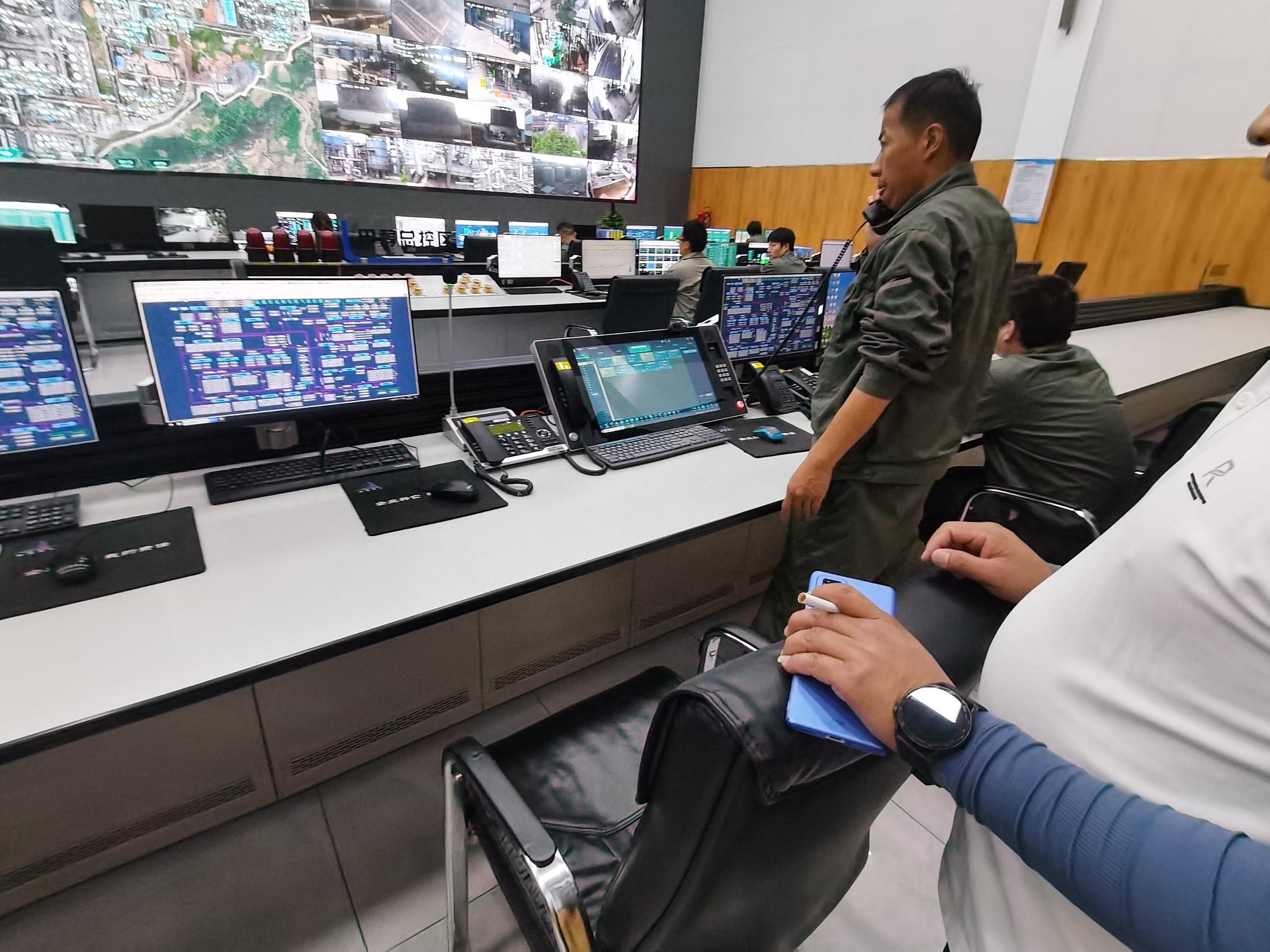
Data flow in this architecture follows a streamlined path: When an intercom terminal initiates a call, it sends a request to the video access gateway. The gateway retrieves the corresponding camera’s video stream, transcodes it to the required format, and transmits it to the dispatch console and intercom terminal. Audio streams are transmitted via SIP protocol, ensuring synchronized communication and visualization.
Step-by-Step Configuration Guide
Implementing the enhanced integration solution involves simple configuration steps via the gateway’s intuitive management interface:
Network Configuration: Connect the video access gateway to the project network, ensuring connectivity with cameras, intercom terminals, and the dispatch platform. Configure network parameters such as IP address, subnet mask, and gateway to enable cross-network communication.
Camera Connection Setup: Add camera devices to the gateway by entering their connection details, including camera name, IP address, port number (typically 554 for RTSP), and stream URLs (main stream and sub-stream). For example:
Main Stream URL: rtsp://192.168.2.151/device/31011500001370011001Sub Stream URL: rtsp://192.168.2.151/device/31011500001370011002Select the camera type and configure authentication credentials (username and password) if required.
Transcoding Parameters Configuration: Set transcoding rules based on terminal requirements. Specify the target video encoding (H.264), resolution (e.g., 1280x720), and bitrate to ensure compatibility and optimal performance.
Intercom Terminal Mapping: Map each one-touch intercom terminal to its corresponding camera(s) in the gateway interface. This ensures that when the terminal initiates a call, the gateway automatically retrieves the correct video stream.
SIP and ROIP Integration: Configure SIP protocol settings to connect the gateway with the dispatch platform and video phones. For ROIP integration, set up radio network parameters to enable communication between intercom terminals and radio systems.
Advanced Settings: Enable additional features such as H.264 stream without SPS&PPS (for specific terminal compatibility), user agent configuration, and security settings (encryption, access control) to enhance system reliability and security.
Testing and Validation: After configuration, test the integration by initiating calls from intercom terminals and verifying that the corresponding video streams are displayed correctly on the dispatch console and video phones. Check for audio-video synchronization, stream stability, and cross-network performance.
Additional Advantages of the Enhanced Solution
Beyond resolving core integration challenges, Becke Telcom’s video access gateway offers additional benefits that enhance the overall value of the solution:
Scalability for Large-Scale Projects
The gateway’s centralized architecture supports easy scaling to accommodate growing numbers of intercom terminals, cameras, and network nodes. Adding new devices only requires configuration in the gateway management interface, without modifying the existing system structure. This scalability makes the solution suitable for large highway toll networks, multi-site parking lot systems, and regional public safety communication projects.
Reduced Operational and Maintenance Costs
Centralized management and automatic protocol/encoding conversion reduce the need for on-site technical support and manual configuration. Administrators can monitor system status, troubleshoot issues, and update configurations remotely, minimizing downtime and maintenance costs. The gateway’s stable performance and compatibility also reduce the risk of system failures, further lowering operational expenses.
Integration with Multiple Device Types
In addition to one-touch intercom terminals and cameras, the gateway supports integration with video phones, ROIP devices, and national standard video platforms. This versatility enables seamless communication across different device types, enhancing collaboration between dispatch teams, on-site personnel, and external stakeholders (e.g., emergency services).
Compliance with Industry Standards
Support for GB/T28181 ensures compliance with Chinese national standards for video surveillance systems, making the solution suitable for government projects, intelligent transportation systems, and other regulated environments. Compliance with SIP protocol standards also ensures interoperability with a wide range of VOIP devices and communication platforms.
Application Scenarios and Use Cases
The one-touch intercom and camera integration solution with Becke Telcom’s video access gateway is widely applicable in scenarios requiring real-time communication and visualization:
Highway Toll Stations
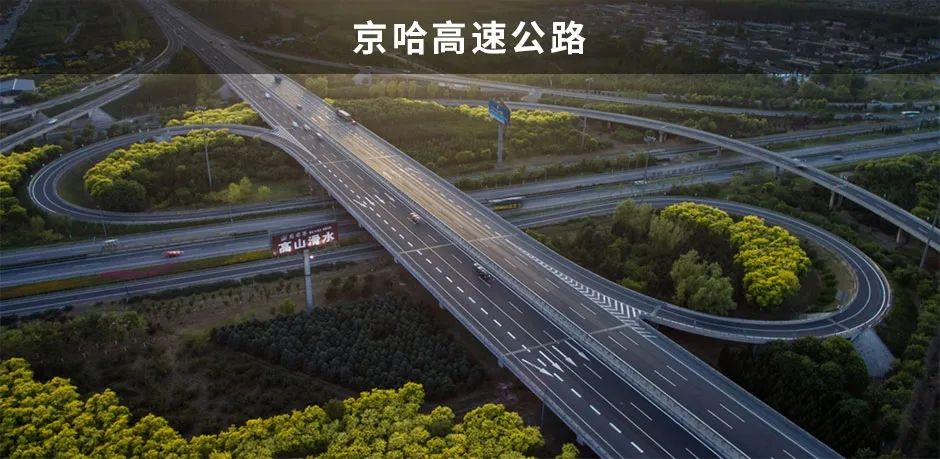
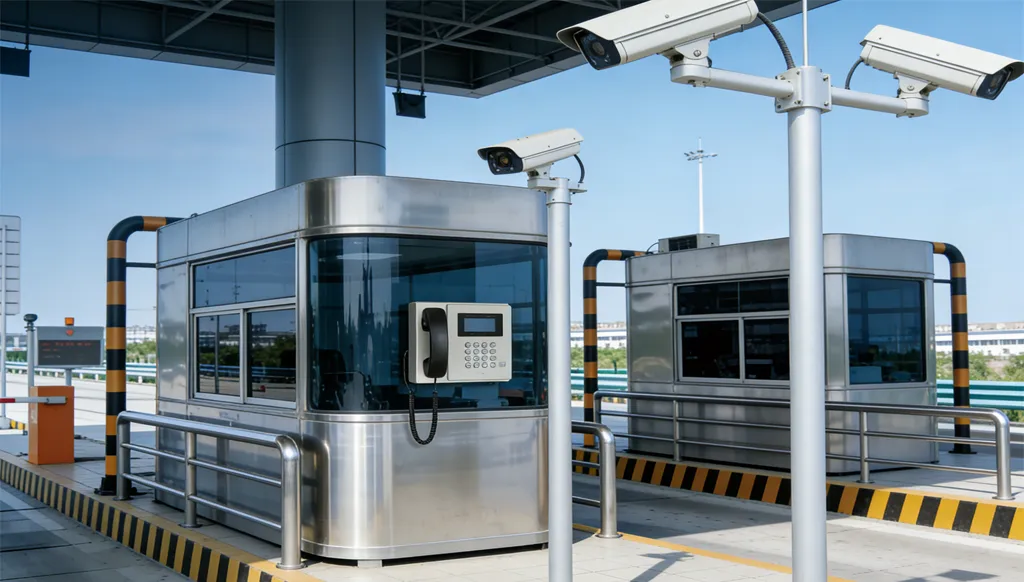
At toll booths, drivers can use one-touch intercom terminals to request assistance for issues such as payment errors, equipment malfunctions, or emergency situations. The integration automatically pulls up the toll lane camera’s video feed, allowing dispatch operators to visually assess the situation and provide targeted support. For large toll plazas with multiple lanes, the gateway’s centralized management ensures efficient resource allocation and reliable stream distribution.
Unmanned Parking Lots
In unmanned parking lots, one-touch intercom terminals placed at entry/exit points and parking spaces enable drivers to seek help for parking guidance, payment problems, or security concerns. The integration with surveillance cameras provides operators with real-time visual confirmation, facilitating rapid response and improving user experience.
Public Area Assistance
In public facilities such as transportation hubs, shopping malls, and industrial parks, one-touch intercom terminals serve as emergency communication points. Integrating with cameras allows security personnel to quickly identify the location and nature of the emergency, enabling timely intervention and ensuring public safety.
Intelligent Transportation Systems
For regional intelligent transportation projects, the solution integrates toll stations, road monitoring cameras, and emergency communication terminals into a unified system. The video access gateway connects to the central traffic management platform via GB/T28181, providing comprehensive visibility and control over the entire transportation network.
Conclusion
One-touch intercom and camera integration is a critical requirement for modern highway toll stations, unmanned parking lots, and public safety scenarios, enabling real-time communication and visual verification. While basic integration via RTSP streaming offers simplicity for small-scale projects, it faces significant limitations in compatibility, scalability, and security.
Becke Telcom’s video access gateway addresses these challenges by providing multi-protocol support, real-time transcoding, centralized management, and secure cross-network transmission. The enhanced solution not only resolves protocol and encoding compatibility issues but also reduces operational costs, improves system stability, and scales to meet the needs of large-scale intelligent transportation projects. By integrating ROIP functionality, the gateway further extends communication capabilities, enabling seamless collaboration between different device types.
Whether implementing a new integration project or upgrading an existing system, Becke Telcom’s video access gateway delivers a reliable, efficient, and secure solution for one-touch intercom and camera integration. Its compliance with industry standards, intuitive configuration, and robust performance make it an ideal choice for projects requiring high-quality communication and visualization.

 English
 Deutsch
 한국어
한국어 Русский
 Français
 日本語
日本語 لالعربية
 हिन्दी
 Español
 Português
 繁体中文
繁体中文 简体中文
简体中文