Introduction
In the realm of enterprise and mission-critical communication projects, two terms are frequently encountered: unified communication systems and command and dispatch systems. While they often coexist in complex infrastructure setups, their core objectives, functional focuses, and application scenarios differ significantly. For organizations navigating communication technology investments, understanding these differences is crucial to selecting the right solution for their unique needs.
Unified communication systems and command and dispatch systems both aim to integrate multiple communication tools, but they serve distinct purposes. The former prioritizes seamless collaboration across daily business workflows, while the latter is designed for real-time resource coordination, task management, and emergency response. This guide delves into the technical characteristics, functional distinctions, and integration potential of the two systems, highlighting how Becke Telcom’s gateway solutions bridge gaps between them to deliver comprehensive communication ecosystems.
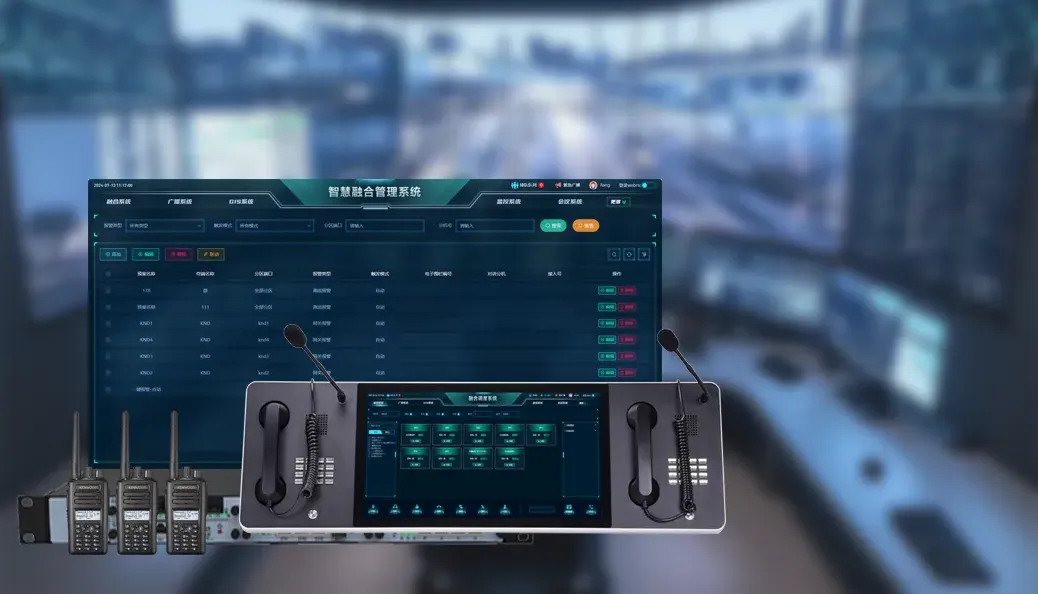
What Is a Unified Communication System?
A unified communication (UC) system is an integrated communication solution that consolidates multiple communication media and channels into a single platform. Its core mission is to eliminate silos between disjointed tools, enabling users to engage in real-time and non-real-time communication through flexible means tailored to their needs.
Core Characteristics of Unified Communication Systems
-
Multi-Channel Integration: Unifies voice calls, video calls, email, video conferencing, and public/private network trunking intercom into a cohesive ecosystem. Historically, these communication tools operated as independent systems—telephone networks, standalone video conferencing platforms, and trunking intercoms functioned in isolation. A UC system transforms them into a unified infrastructure.
-
User-Centric Flexibility: Empowers users to choose the most appropriate communication method based on specific scenarios. For example, an employee might switch from a voice call to a video conference to share visual data, or use trunking intercom for instant team coordination—all within the same platform.
-
Business Collaboration Focus: Optimizes daily operational workflows by streamlining communication. It eliminates the inefficiencies of switching between disparate tools, reducing delays and enhancing productivity across departments.
Technical Architecture of Unified Communication Systems
Becke Telcom’s unified communication system follows a layered architecture to ensure scalability and interoperability:
-
Terminal Access Layer: Supports a wide range of devices, including IP phones, smart terminals, video conference endpoints, and intercom devices, enabling connectivity across networks such as PSTN, 4G/5G, and Ethernet.
-
Transmission Layer: Relies on core components like telephone gateways, ROIP gateways, and video transcoding servers to facilitate protocol conversion and data transmission. It ensures seamless communication between different devices and network environments.
-
Service Support Layer: Provides fundamental communication capabilities, including voice/video call management, video distribution, and public-private network convergence. It also offers API development interfaces to support custom integration with business applications.
-
Presentation Layer: Delivers user-facing tools such as video conferencing software, smart terminals, and desktop clients, ensuring intuitive access to integrated communication features.
Typical Application Scenarios
Unified communication systems are primarily designed for commercial and enterprise environments. They excel in scenarios such as:
-
Cross-departmental collaboration in large enterprises, where teams need to switch between voice, video, and messaging tools.
-
Remote and hybrid work environments, enabling employees to communicate seamlessly regardless of location.
-
Customer service centers, where agents require flexible communication channels to interact with customers and collaborate with internal teams.
-
Daily operational coordination in industries like finance, retail, and healthcare, where efficient information sharing drives business outcomes.
What Is a Command and Dispatch System?
A command and dispatch system also integrates multiple communication methods and ensures their interoperability—often incorporating core functionalities of unified communication systems. In some cases, unified communication systems even embed command and dispatch modules as sub-systems. However, its core focus extends beyond basic communication integration.
Core Characteristics of Command and Dispatch Systems
-
Task-Centric Coordination: The primary goal is to manage and dispatch communication resources through advanced command capabilities, enabling flexible and diverse dispatch functions. Unlike unified communication systems, which prioritize daily collaboration, command and dispatch systems are engineered to address coordination challenges in specialized environments.
-
Extended Capability Ecosystem: Expands the concept of communication by integrating video surveillance, Internet of Things (IoT) capabilities, and real-time data monitoring. This extension transforms communication from simple information exchange to a foundation for comprehensive situational awareness and resource management.
-
Resource and Task Management: Focuses on coordinating personnel, tasks, and resources, with core functions including real-time resource monitoring, task assignment, and emergency incident response. It emphasizes control and coordination, making it ideal for scenarios requiring strict operational oversight.
Technical Architecture of Command and Dispatch Systems
Becke Telcom’s command and dispatch system builds on unified communication foundations while adding specialized layers for mission-critical operations:
-
Terminal Access Layer: Supports a broader range of professional devices, including intercoms, portable video terminals (body cameras), smart helmets, emergency call points, telephones, and surveillance cameras. It accommodates diverse network environments such as private LTE, broadband ad-hoc networks, narrowband trunking, 4G/5G, and satellite communication.
-
Transmission Layer: Integrates telephone gateways, ROIP gateways, GB/T28181 video gateways, and video transcoding servers. These components ensure seamless data flow between communication tools, video surveillance systems, and IoT devices, with protocol conversion capabilities to bridge incompatible systems.
-
Service Support Layer: Delivers core dispatch functions, including GIS (Geographic Information System) dispatch, command instruction dissemination, voice/video dispatch, video backhaul, video distribution, public-private network convergence, organizational structure management, trajectory playback, and emergency plan management. It also provides API development interfaces for custom business integration.
-
Presentation Layer: Features specialized tools such as dispatch consoles (including CS-based dispatch workstations), large-format display screens, video conferencing terminals, and smart terminals. Key functions like one-key alarm triggering and emergency response coordination are prominently integrated into the user interface.
Typical Application Scenarios
Command and dispatch systems are tailored for industries and organizations requiring high levels of coordination, control, and emergency responsiveness. Common use cases include:
-
Public safety and law enforcement: Coordinating personnel and resources during emergency incidents, crime response, and public events.
-
Transportation and logistics: Managing fleet operations, route optimization, and real-time coordination of delivery or transportation teams.
-
Energy and utilities: Overseeing field operations, equipment maintenance, and emergency response for power grids, pipelines, and infrastructure.
-
Industrial manufacturing: Coordinating production line operations, on-site maintenance, and safety response in factory environments.
Key Differences Between Unified Communication and Command and Dispatch Systems
While both systems integrate multiple communication channels, their differences are rooted in core objectives, functional priorities, and application focus. The table below summarizes the key distinctions:
|
Comparison Dimension
|
Unified Communication System
|
Command and Dispatch System
|
|
Core Objective
|
Facilitate seamless daily collaboration across business workflows
|
Enable real-time resource coordination, task management, and emergency response
|
|
Functional Focus
|
Communication tool integration and user-centric flexibility
|
Command management, resource scheduling, and situational awareness
|
|
Extended Capabilities
|
Limited to communication-related functions (voice, video, messaging)
|
Integrates video surveillance, IoT, GIS, and emergency plan execution
|
|
Application Scope
|
Commercial and enterprise daily operations
|
Mission-critical, high-coordination environments (public safety, industrial operations)
|
|
User Experience Priority
|
Ease of use and cross-tool interoperability for daily work
|
Reliability, real-time responsiveness, and control for critical scenarios
|
|
Resource Allocation
|
Decentralized (user-driven tool selection)
|
Centralized (administrator/commander-driven resource dispatch)
|
Functional Focus Deep Dive
Unified communication systems excel at breaking down communication silos to improve daily productivity. For example, a marketing team might use the system to switch from a group chat to a video conference to review campaign materials, then send follow-up details via email—all within a single platform. The emphasis is on flexibility and user autonomy.
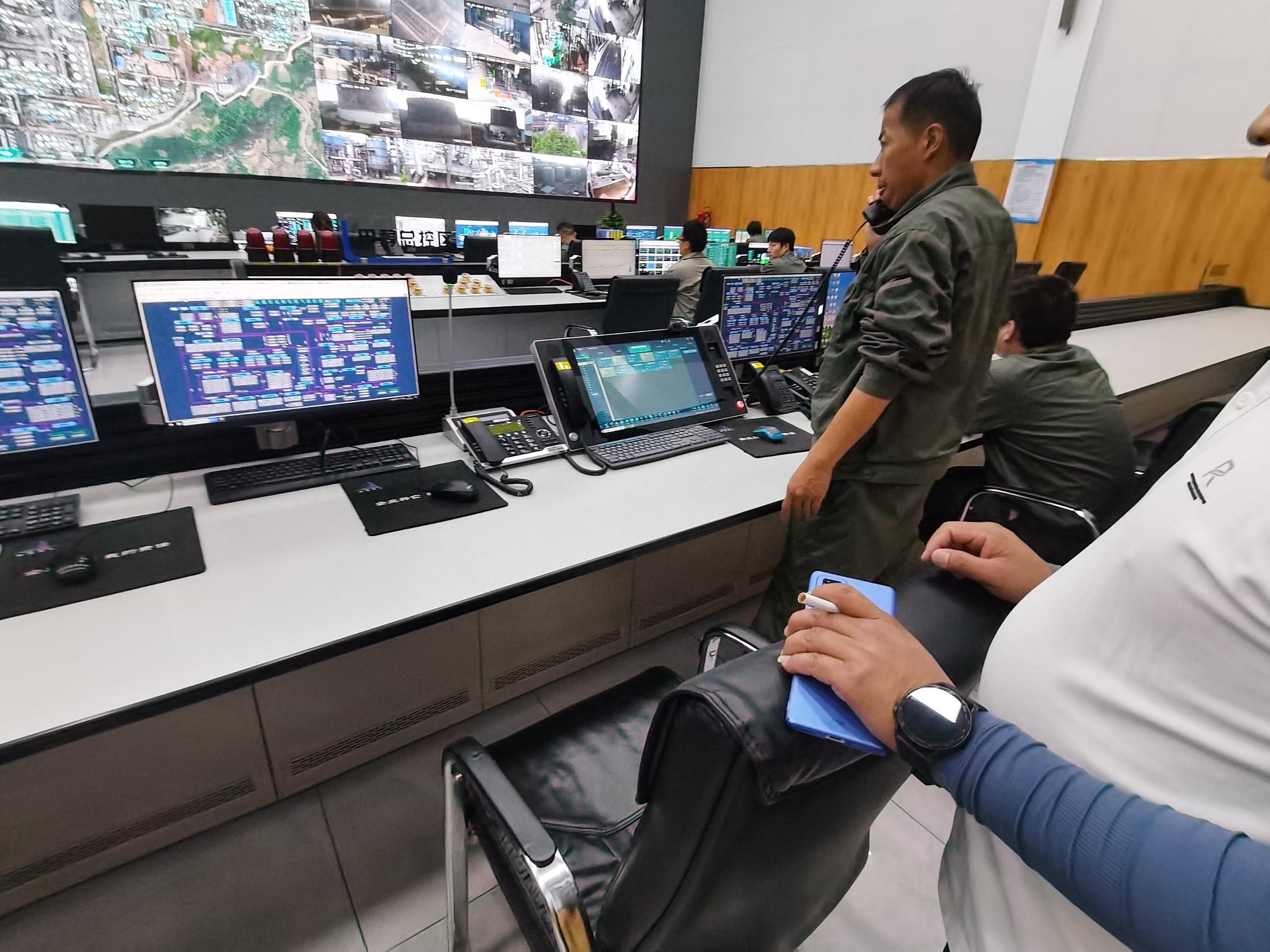
Command and dispatch systems, by contrast, prioritize centralized control. In a public safety scenario, a commander could use the system to locate field personnel via GIS, dispatch a team to an emergency site via trunking intercom, pull up real-time video surveillance of the area, and activate pre-defined emergency plans—all from a centralized dispatch console. The focus is on rapid, coordinated action.
Reliability and Redundancy Requirements
Unified communication systems typically require standard reliability levels, with downtime impacting daily workflows but not life-or-death outcomes. Command and dispatch systems, however, demand ultra-high reliability and redundancy. In emergency situations, system failure could have severe consequences, so these systems are engineered with backup networks (e.g., satellite communication as a fallback for 4G/5G), redundant gateways, and failover mechanisms.
Integration Potential: How the Two Systems Complement Each Other
Despite their differences, unified communication and command and dispatch systems are not mutually exclusive. In many complex environments, they work in tandem to deliver comprehensive communication and coordination capabilities.
Synergistic Integration Scenarios
In public safety, for instance, a unified communication system provides daily communication tools for administrative tasks—video conferences for team briefings, email for documentation, and voice calls for non-emergency coordination. When an emergency occurs, the command and dispatch system takes over, leveraging the UC infrastructure to coordinate field teams, integrate video surveillance feeds, and activate emergency response protocols. The UC system ensures seamless communication across departments, while the command and dispatch system provides the centralized control needed for crisis management.
In industrial settings, a manufacturing plant might use a unified communication system for daily production coordination—trunking intercom for floor teams, video calls for remote expert consultations, and email for shift handovers. The command and dispatch system would handle emergency scenarios such as equipment failures or safety incidents, using GIS to locate maintenance teams, pulling up video feeds of the affected area, and dispatching resources through the same UC-enabled channels.
Becke Telcom’s Gateway Solutions for Seamless Integration
Integrating unified communication and command and dispatch systems requires addressing protocol incompatibilities and ensuring smooth data flow between diverse tools. Becke Telcom’s specialized gateways play a pivotal role in this integration:
-
ROIP Gateway: Replaces traditional trunking gateways to enable interoperability between public/private network trunking intercom systems and unified communication platforms. It converts trunking protocols (e.g., PDT, DMR) to SIP, allowing intercom devices to communicate seamlessly with IP phones, video conferencing systems, and dispatch consoles.
-
GB/T28181 Video Gateway: Bridges video surveillance systems with both UC and command and dispatch platforms. It converts video feeds from GB/T28181-compliant cameras and NVRs to SIP-compatible streams, enabling real-time video integration into communication workflows—critical for situational awareness in command and dispatch scenarios.
-
Telephone Gateway: Ensures connectivity between PSTN networks and the integrated ecosystem, enabling legacy phone systems to interact with modern UC and command tools.
These gateways eliminate the complexity of cross-system integration, allowing organizations to leverage the strengths of both systems without extensive custom development. Becke Telcom’s solutions prioritize plug-and-play functionality, reducing deployment time and ensuring stability in mission-critical environments.
Conclusion
Unified communication and command and dispatch systems serve distinct but complementary roles in modern communication infrastructure. Unified communication systems optimize daily collaboration by unifying disjointed tools, while command and dispatch systems enable centralized resource coordination and emergency response through extended capabilities like video surveillance and IoT integration.
For organizations, the key is to align system selection with core business needs: UC systems are ideal for enhancing daily operational efficiency, while command and dispatch systems are essential for mission-critical coordination. When integrated through Becke Telcom’s gateway solutions, they form a powerful ecosystem that addresses both routine and emergency communication requirements.
In an era where communication agility and reliability are paramount, understanding these differences and leveraging integration opportunities can transform how organizations collaborate, respond to crises, and deliver value. Becke Telcom’s commitment to interoperability ensures that businesses can build communication systems that scale with their needs, adapting from daily workflows to emergency scenarios with seamless efficiency.

 English
 Deutsch
 한국어
한국어 Русский
 Français
 日本語
日本語 لالعربية
 हिन्दी
 Español
 Português
 繁体中文
繁体中文 简体中文
简体中文