Introduction
In industrial and hazardous environments, reliable communication is not just a convenience—it is a matter of safety, compliance, and operational efficiency. From chemical plants and oil refineries to mining operations and offshore platforms, workers operate in conditions where explosive gases, vapors, or dust pose serious risks. Explosion-proof telephones, also known as intrinsically safe or hazardous area telephones, are designed to withstand these extreme conditions while maintaining seamless connectivity.
This comprehensive guide explains everything enterprise buyers, IT managers, and system integrators need to know about explosion-proof telephones—from basic definitions and working principles to benefits, applications, and integration with modern VoIP/SIP systems.
1. What Is an Explosion-Proof Telephone?
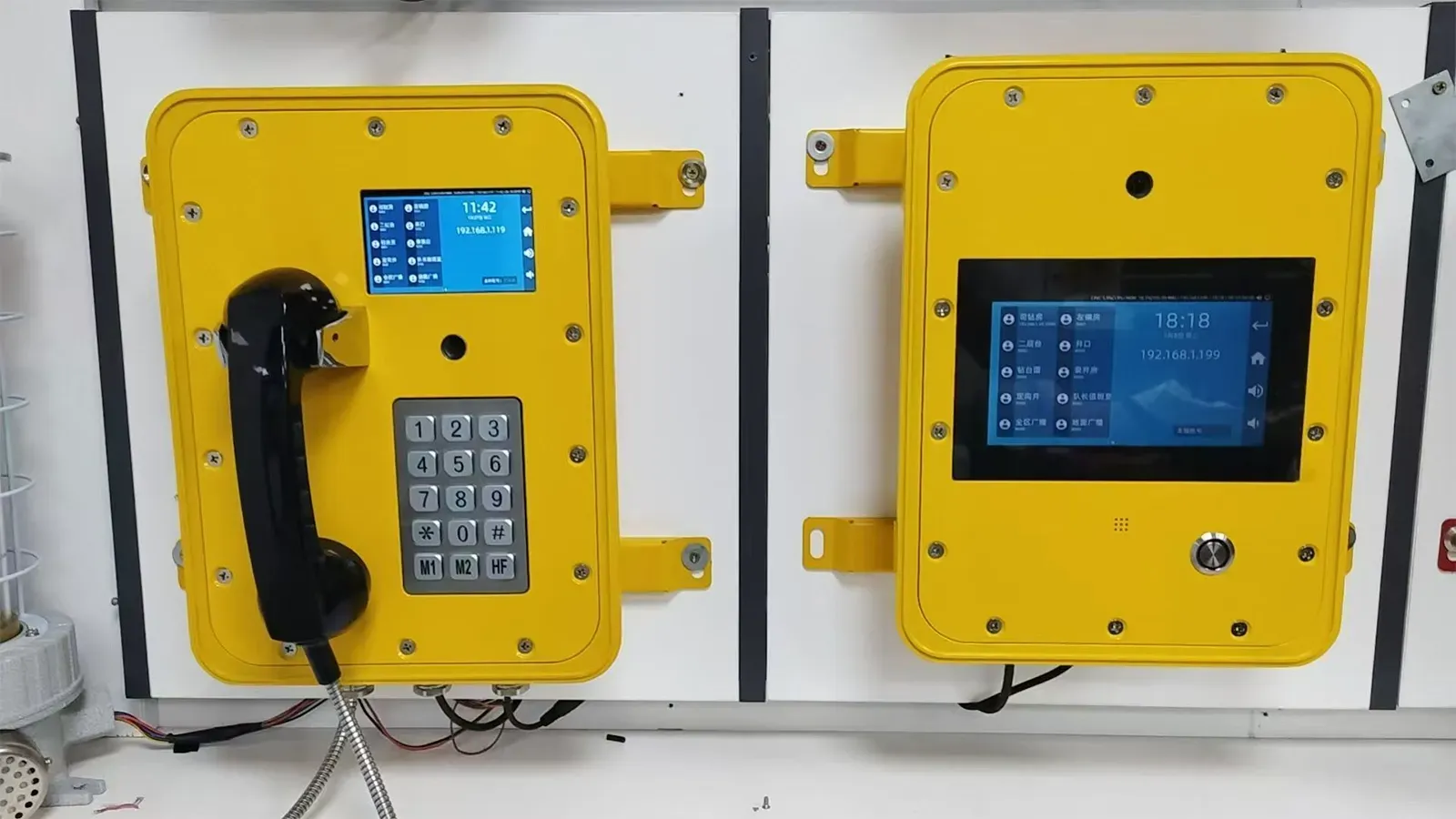
An explosion-proof telephone is a communication device specifically engineered to operate safely in hazardous environments. Unlike standard telephones, these devices are built to prevent sparks or high temperatures that could ignite flammable gases, vapors, or dust.
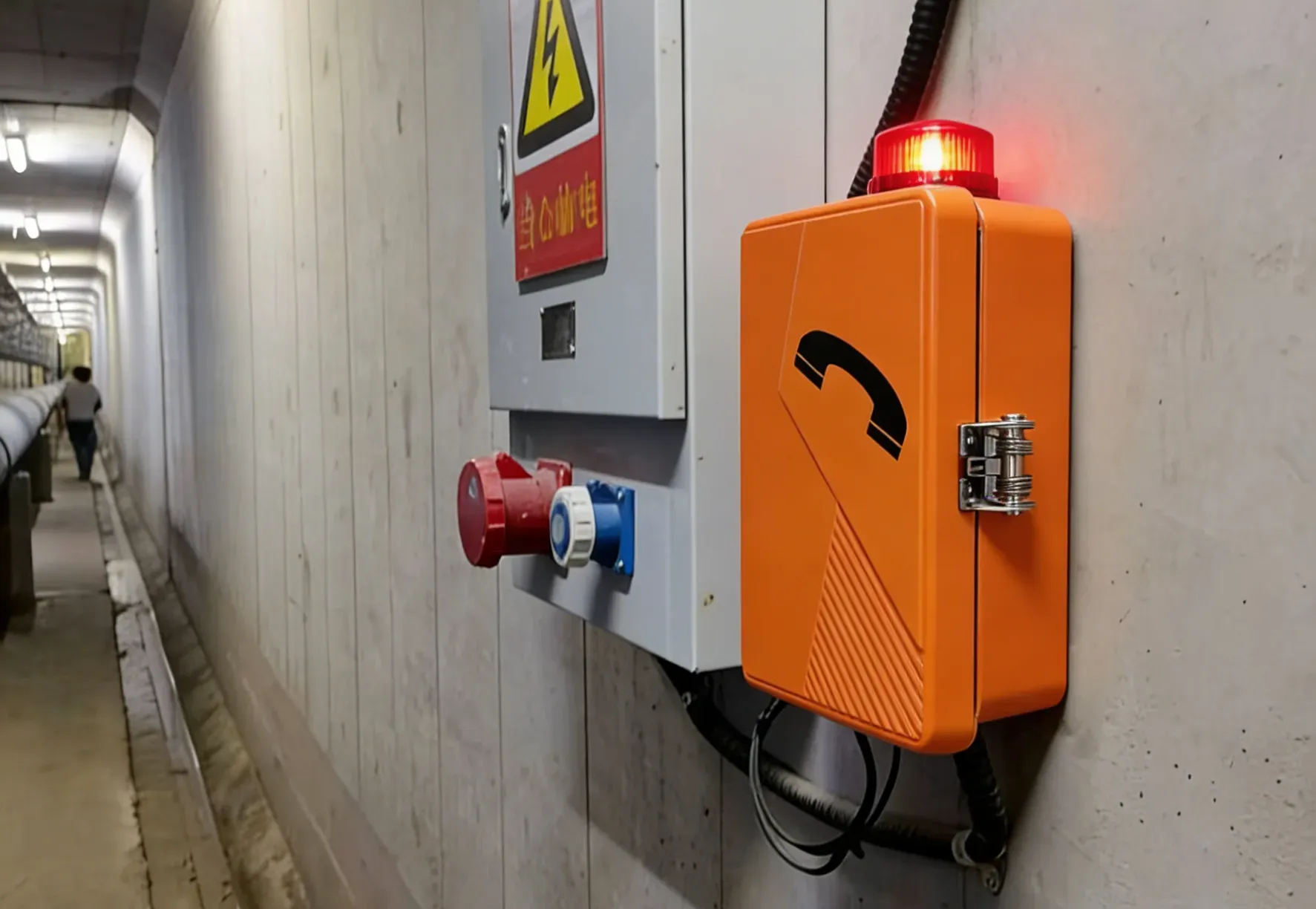
Explosion-proof telephones typically comply with international standards such as ATEX, IECEx, UL, and CSA, which certify their safety in various hazardous zones. They combine rugged construction, moisture and dust resistance (often IP66 or higher), and advanced communication technologies, including analog, digital, or VoIP-based systems.
2. How Explosion-Proof Telephones Work
The core principle behind explosion-proof telephones is intrinsic safety. This means the device is designed so that any electrical energy released in a fault condition is insufficient to ignite hazardous substances.
Key technical aspects include:
-
Encapsulation: Components are sealed in heavy-duty enclosures, often made of stainless steel or aluminum, preventing sparks or heat from escaping.
-
Energy Limitation: Circuits are engineered to operate at low voltages and currents, minimizing the risk of ignition.
-
Separation and Insulation: Sensitive components are insulated and isolated to prevent arcs or short circuits.
-
Integration with IP Networks: Modern explosion-proof telephones use VoIP technology over Ethernet or Wi-Fi, transmitting voice over packet-switched networks using SIP protocols.
-
Optional Features: Some models integrate emergency call buttons, intercom systems, loudspeakers, and remote monitoring, providing industrial-grade communication capabilities.
By combining intrinsic safety with modern IP networking, these devices enable safe, reliable communication in high-risk industrial environments.
3. Core Advantages of Explosion-Proof Telephones
Investing in explosion-proof telephony delivers multiple benefits for enterprises operating in hazardous environments:
3.1 Enhanced Safety
The primary advantage is worker safety. Explosion-proof telephones minimize the risk of igniting flammable substances, ensuring compliance with global safety regulations.
3.2 Operational Reliability
Designed for harsh conditions, these devices withstand extreme temperatures, moisture, dust, and vibrations. Industrial downtime caused by communication failures is drastically reduced.
3.3 Compliance and Risk Management
By using certified explosion-proof devices, companies demonstrate adherence to ATEX, IECEx, and OSHA standards, mitigating regulatory risks and potential fines.
3.4 Seamless Integration with Modern Communication Systems
Modern explosion-proof phones support VoIP, SIP, and unified communication platforms, enabling integration with enterprise PBX, contact centers, and remote monitoring systems.
3.5 Scalability and Flexibility
Network-based explosion-proof phones can scale alongside operations, adding new devices or extensions without significant infrastructure changes.
3.6 Cost Efficiency Over Time
While initial investment may be higher than standard telephones, these devices reduce long-term costs by preventing accidents, minimizing downtime, and integrating with modern IT systems.
4. Typical Applications in Industrial Environments
Explosion-proof telephones are essential in environments where safety and reliability are non-negotiable:
-
Oil and Gas Facilities: Refineries, offshore rigs, and storage terminals require reliable communication for emergency coordination.
-
Chemical Plants: Handling flammable chemicals necessitates intrinsically safe telephony to prevent sparks.
-
Mining Operations: Underground mines, where explosive gases may accumulate, demand explosion-proof devices for coordination and emergency alerts.
-
Power Generation: Nuclear and thermal power plants integrate these devices for critical communication under hazardous conditions.
-
Public Safety Systems: Emergency call stations, industrial PAGA (Public Address and General Alarm) systems, and evacuation communication often rely on explosion-proof telephony.
5. Explosion-Proof Telephones vs Traditional Telephones
|
Feature
|
Traditional Telephone
|
Explosion-Proof Telephone
|
|
Safety in Hazardous Areas
|
Not safe
|
Intrinsically safe, certified
|
|
Construction Durability
|
Moderate
|
Heavy-duty, shock, dust, and water-resistant
|
|
Network Type
|
Analog or IP
|
Analog, IP, VoIP (SIP supported)
|
|
Compliance
|
Minimal
|
ATEX, IECEx, UL, CSA
|
|
Maintenance
|
Regular
|
Designed for low-maintenance harsh conditions
|
|
Features
|
Basic calling
|
Emergency alerts, intercom, remote monitoring, integration with PBX/VoIP
|
|
Lifespan
|
Standard industrial use
|
Extended, robust for extreme environments
|
This comparison underscores the importance of specialized devices in high-risk industrial settings.
6. Integration with VoIP and Modern Unified Communication
Modern explosion-proof telephones increasingly support VoIP and SIP protocols, offering several advantages for enterprises:
-
Centralized Communication: Integrates hazardous-area telephony with corporate PBX and call centers.
-
Remote Monitoring: IT managers can monitor device status, call logs, and emergencies from a centralized dashboard.
-
Unified Collaboration: Enables employees in hazardous zones to participate in conferences, messaging platforms, and alerts simultaneously.
-
Reduced Infrastructure Costs: Leverages existing IP networks instead of dedicated analog wiring.
-
Emergency Response Automation: Connects with industrial alarm and evacuation systems to trigger automated alerts or calls.
By adopting IP-enabled explosion-proof phones, enterprises achieve both compliance and digital transformation.
7. Future Trends in Explosion-Proof Telephony
As industrial environments evolve, so does explosion-proof communication technology:
-
Cloud Integration: Devices connect to cloud PBX and UCaaS systems for scalability and remote management.
-
IoT Connectivity: Explosion-proof phones integrate with sensors, industrial alarms, and SCADA systems for smart monitoring.
-
Enhanced Audio and AI Features: Noise-canceling microphones, AI-driven call routing, and speech analytics improve operational efficiency.
-
5G and Wireless Capabilities: High-speed wireless networks enable mobile, secure, and reliable communication in hazardous zones.
-
Cybersecurity: Encrypted VoIP communications ensure compliance with industry standards like ISO 27001 and IEC 62443.
These innovations position explosion-proof telephones as a critical component of next-generation industrial communication systems.
8. Choosing an Enterprise-Grade Explosion-Proof VoIP Solution
For IT managers and system integrators, selecting the right solution requires considering:
-
Certifications: ATEX, IECEx, UL, CSA compliance for regulatory assurance.
-
Connectivity: Analog, IP, or SIP options compatible with existing infrastructure.
-
Durability: Resistance to dust, water, vibration, and temperature extremes.
-
Emergency Features: Integration with alarm systems, PAGA, and emergency call functions.
-
Scalability: Ability to expand across multiple sites or hazardous zones.
-
Support and Maintenance: Enterprise-grade warranties and technical support.
Enterprise-grade solutions, such as those offered by Becke Telcom, combine explosion-proof hardware with VoIP/SIP connectivity, cloud integration, and intelligent call management. This ensures safe, reliable, and cost-effective communication in even the most hazardous industrial settings.
Conclusion
Explosion-proof telephones are not merely specialized devices—they are a critical investment in worker safety, operational efficiency, and regulatory compliance. By understanding their definitions, working principles, advantages, applications, and integration with modern VoIP systems, IT managers and enterprise buyers can make informed decisions that protect both employees and business operations.
Adopting an enterprise-class explosion-proof VoIP or SIP solution ensures secure, scalable, and intelligent communications across hazardous environments, supporting both day-to-day operations and emergency response, while driving industrial digital transformation.

 English
 Deutsch
 한국어
한국어 Русский
 Français
 日本語
日本語 لالعربية
 हिन्दी
 Español
 Português
 繁体中文
繁体中文 简体中文
简体中文