Leading industrial special communication provider with rich global cases. Our explosion-proof & SIP dispatch systems power projects—your reliable partner with proven success.
Leading industrial special communication provider with rich global cases. Our explosion-proof & SIP dispatch systems power projects—your reliable partner with proven success.
Where Are SIP Broadcasting Systems Used? Industry Applications and Solution Design
SIP broadcasting systems combine IP audio, dispatch, intercom, alarms and system integration for hazardous industry, mining, transportation, energy, healthcare and smart facilities.
Becke Telcom
Traditional public address systems were mainly designed for one-way audio distribution. They could play scheduled announcements or emergency messages, but adding new zones, connecting other communication systems, or supporting two-way interaction often required separate equipment and additional cabling. As industrial and public infrastructure moves toward IP-based communications, that model is changing.
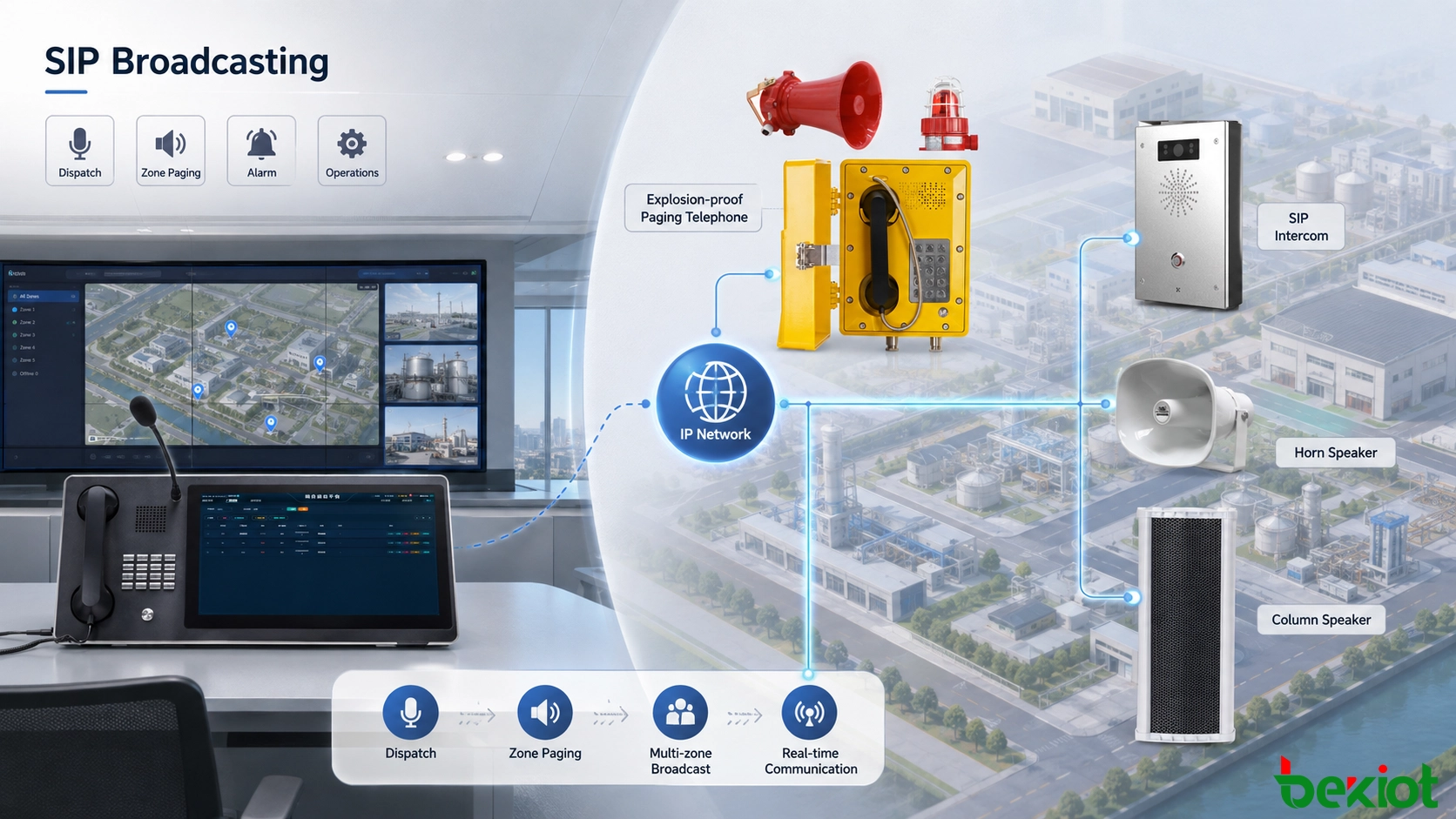
A SIP broadcasting system uses standard IP networking to connect paging, voice dispatch, intercom, emergency notification and operational management. Instead of operating as an isolated loudspeaker network, it can become part of a wider communication environment in which alarms, field devices, control platforms and operators exchange information through coordinated workflows. This makes the architecture useful far beyond conventional schools, offices and shopping centers.
Why IP Audio Changes the Architecturea
The main difference between a conventional PA system and a SIP-based architecture is not simply how audio is transported. The larger change is that individual audio endpoints become network-addressable communication resources.
A control center can organize speakers, paging terminals, intercom stations and communication zones according to buildings, production areas, platforms, tunnels or operational departments. Messages can then be sent to one endpoint, a selected group, a defined zone or a larger site-wide audience.
Because SIP is already widely used for IP voice communication, broadcasting can also be connected with telephone systems, dispatch platforms and intercom services. A field user may initiate a call, an operator may answer from a control room, and the same event can later trigger a targeted announcement to other personnel.
The architecture can also exchange information with automation and monitoring platforms. Interfaces based on protocols such as Modbus, OPC UA and MQTT can be used in projects where operational systems need to exchange alarm or status information with the communication layer.
A SIP-based broadcasting architecture can combine paging, dispatch, intercom and alarm information on the same IP communication framework.
This integration changes the role of broadcasting. It is no longer limited to playing prerecorded audio. It can participate in a complete operational sequence that begins with an event and ends with confirmation, notification and recorded communication activity.
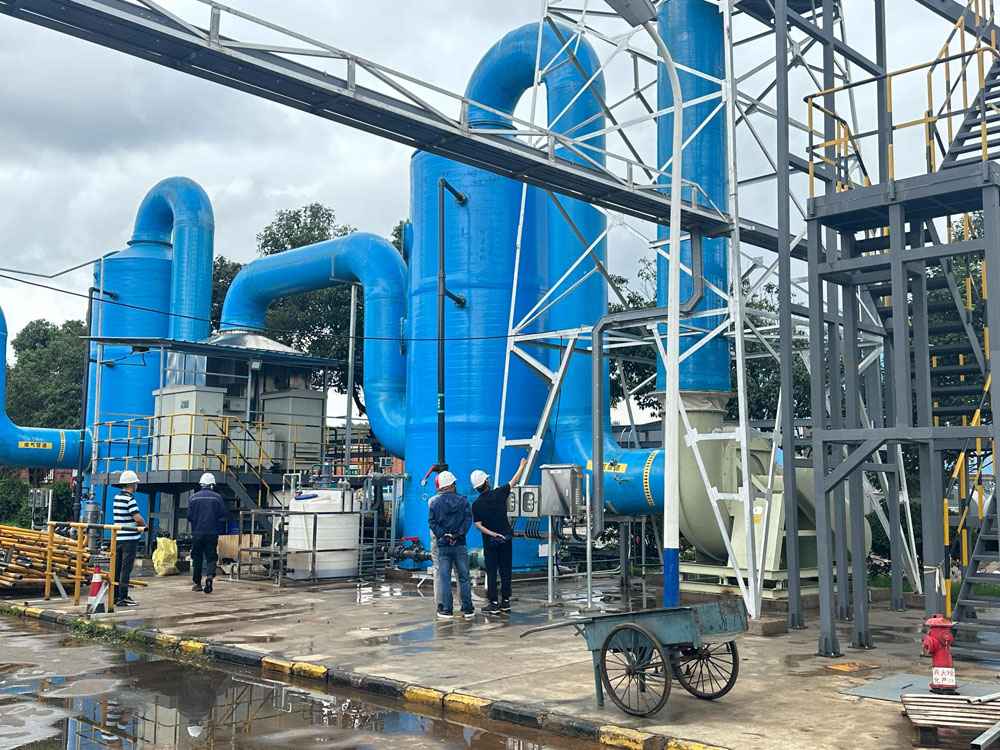
Hazardous Process Industries
Petrochemical plants, natural gas facilities and hydrogen-related production sites are among the environments where integrated voice notification is particularly valuable. These facilities may include tank farms, processing units, compressor areas, loading facilities and other locations where flammable gases or vapors can be present.
Communication equipment deployed in hazardous areas must first be suitable for the environmental and safety requirements of the installation. Beyond endpoint suitability, however, the larger challenge is how quickly information moves after an abnormal condition is detected.
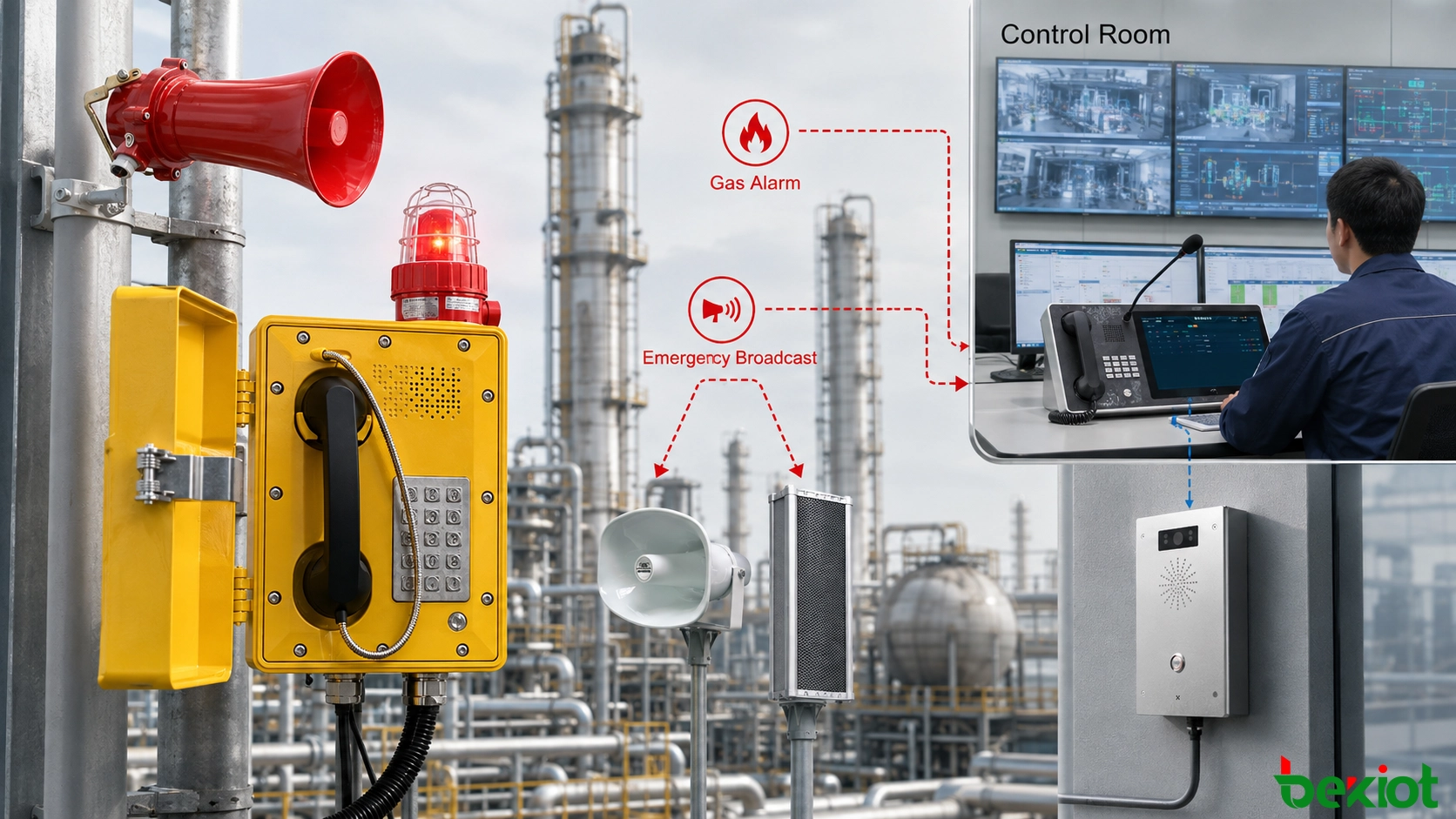
A typical integrated workflow may involve:
A gas detector or process monitoring system identifies an abnormal condition.
The event is passed to the control or alarm platform.
The communication system selects the affected zone.
A prerecorded or live voice warning is sent to that area.
Visual or audible alarm devices can provide an additional attention signal where required.
Operators use dispatch or intercom channels to confirm conditions with field personnel.
This approach connects detection and communication instead of forcing operators to manually switch between multiple isolated systems. In a properly designed automated workflow, an emergency message that previously depended on several manual steps can be issued within seconds rather than waiting minutes for information to pass through multiple people.
The same principle can support production operations outside emergencies. Control rooms may use zone paging for maintenance coordination, shift notifications, equipment shutdown instructions or temporary access restrictions without broadcasting the message to unrelated areas.
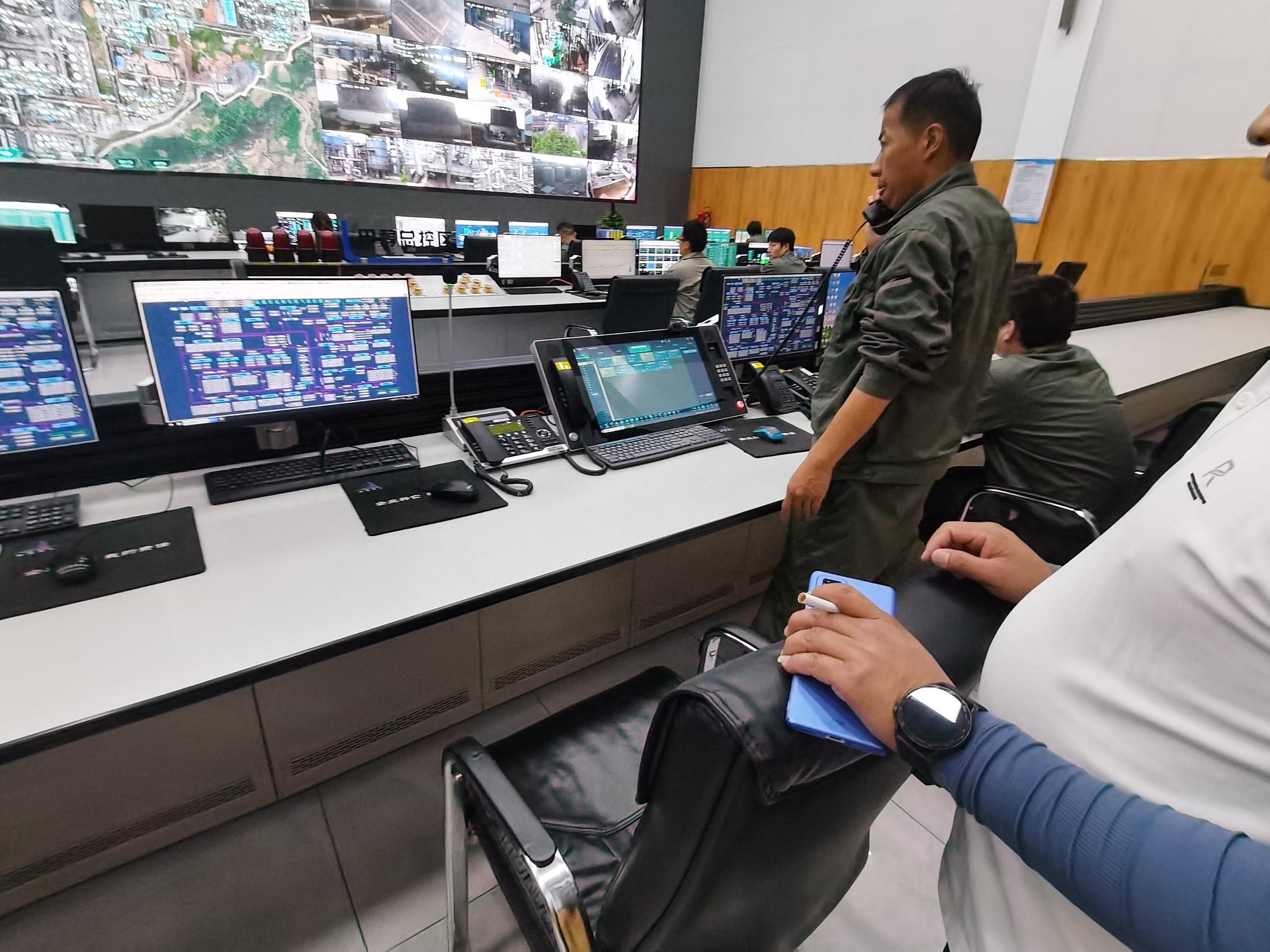
In hazardous facilities, monitoring, alarms, voice notification and field communication can be organized as one coordinated response process.
Underground and Remote Work Areas
Mining presents a different communication problem. Underground tunnels can extend over long distances, physical structures can weaken wireless signals, and workers may be separated from the surface control room by multiple levels of underground infrastructure.
An IP-based broadcasting and intercom system can use the mine's industrial Ethernet network to place wired communication points along underground routes and working areas. Instead of depending entirely on radio coverage, fixed IP endpoints provide known communication locations that can remain connected to surface dispatch.
If a worker detects a gas abnormality or another dangerous condition, a nearby emergency call point can provide a direct communication path to the control center. The operator can receive the call, identify the location and maintain two-way voice communication while coordinating the response. The source material also highlights the possibility of connecting personnel-location information with broadcasting so that messages can be directed toward specific areas during a rescue.
This creates three useful layers of communication:
Local notification for workers in an affected underground section;
Two-way communication between the underground point and surface dispatch;
Location-aware coordination when personnel or operational positioning systems are available.
The same architecture can be relevant to other long or difficult-to-cover facilities such as tunnels, underground utility spaces and remote industrial corridors where fixed network connectivity is more predictable than relying on a single wireless service.
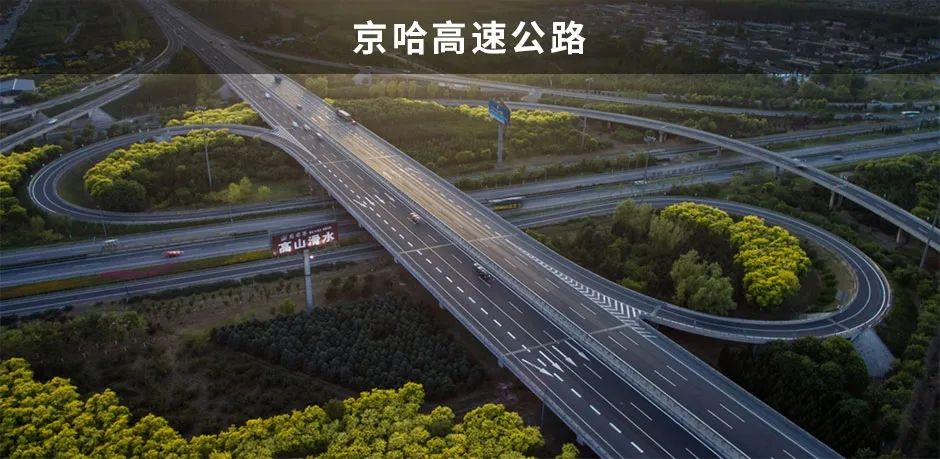
Transportation and Large Infrastructure
Transportation facilities require broadcasting for more than emergency alarms. Stations, depots, terminals and maintenance facilities must handle routine announcements, passenger guidance, operational coordination and evacuation instructions within the same physical environment.
In rail transportation, SIP-based audio can be integrated with a passenger information system so that routine messages and operational announcements are coordinated with station information. During a fire, heavy passenger congestion or another emergency, operators can select specific platforms, entrances, corridors or other zones instead of transmitting the same message everywhere.
Targeted broadcasting matters because different areas may require different instructions. Passengers near one exit may need to use another route, while personnel in unaffected parts of the station may only need an operational notice. Excessive or irrelevant announcements can make emergency information harder to understand.
Airports and ports present similar challenges on a larger scale. A facility may include passenger areas, cargo areas, workshops, warehouses, fire stations, loading zones and outdoor operating spaces. One system therefore needs to support both routine zone paging and higher-priority emergency communication.
Ports add another environmental challenge because outdoor communication devices may operate around moisture, salt air and large machinery. Airports may need communication between terminals, operations teams and emergency services. In both cases, the value of SIP is the ability to organize geographically separated audio and voice resources through an IP network rather than building a separate isolated system for each operational area.
Energy and Facility Operations
Power generation and large energy facilities can use the same architecture for equipment-related notifications. A supervisory platform such as SCADA may identify a temperature, equipment or operating condition that requires personnel attention. That event can then be associated with a voice notification for the relevant maintenance or operating area.
The advantage is not that broadcasting replaces SCADA or the control system. The control platform remains responsible for equipment monitoring and operational logic. Broadcasting provides the human communication layer that converts selected system events into understandable voice instructions.
For example, a system can distinguish between:
an alarm visible only to control-room personnel;
a maintenance notification sent to a specific work area;
a high-priority warning requiring immediate personnel action;
a site-wide emergency requiring broader instructions.
This separation prevents every technical alarm from becoming a public announcement. System designers should define which events require voice notification, which zones should receive it and whether an operator must confirm the event before broadcasting.
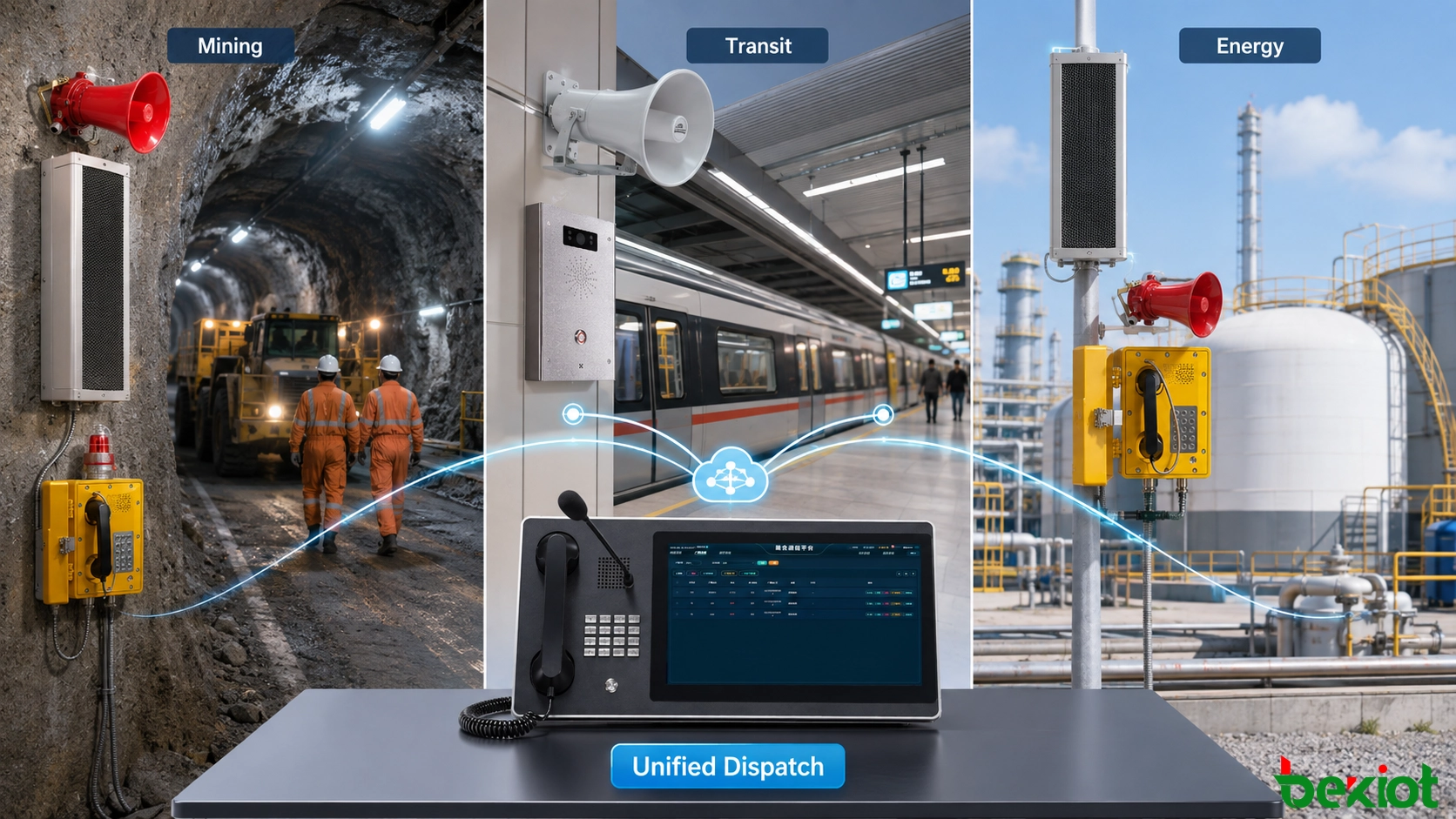
The same SIP communication architecture can be adapted to industrial, transportation, energy and public-service environments with different zone and workflow requirements.
Healthcare, Education and Smart Facilities
The architecture is also useful outside heavy industry because many public-service environments face the same fundamental problem: an important message must reach the correct people quickly without disrupting everyone else.
Hospitals
Hospitals can use SIP-based communication for urgent clinical notifications such as a Code Blue call, while keeping routine paging and departmental communication separate. The value lies in routing the message to the required teams or areas rather than treating every announcement as a building-wide broadcast.
Schools and Universities
Education facilities may combine emergency call points, monitoring systems and broadcast zones. A user can initiate an alarm from a designated help point, after which security personnel can verify the event and use targeted announcements if wider notification is necessary.
Smart Campuses and Industrial Parks
Large campuses may already operate visitor intercoms, routine background audio, access-control communication and emergency notification as separate systems. Moving these services onto a coordinated IP framework can reduce isolated management interfaces and make zone control easier.
The same design principle applies whether the site is a hospital, university or industrial park: routine communication and emergency communication can share an infrastructure while remaining separated by permissions, priorities and operational rules.
How to Plan a Practical Deployment
Choosing SIP does not automatically create an effective communication system. The project still needs to be designed around the site's actual operational workflow.
A practical design process should begin by identifying communication zones. A large site may contain production areas, maintenance areas, passenger spaces, public corridors, emergency zones and restricted locations. These should be mapped to actual operating responsibilities rather than divided only according to building geometry.
Next, determine which systems need to exchange information. Depending on the project, these may include:
voice dispatch;
telephone or intercom systems;
fire alarm platforms;
gas detection;
DCS or SCADA;
passenger information systems;
personnel-location systems;
security or monitoring platforms.
The third step is to define event logic. Not every alarm should automatically generate a site-wide voice message. Some events may require operator confirmation, while high-priority events may be configured for immediate targeted notification.
Priority rules are equally important. Emergency instructions must take precedence over routine background audio or scheduled announcements. Operator permissions should also determine who can access individual zones, initiate emergency messages or create larger communication groups.
Finally, recording and event logs should be considered during system design. The source material emphasizes the importance of stored operation logs and communication records in transportation and other managed environments. These records can support incident reconstruction, maintenance review and operational accountability.
Final Notes
The main value of SIP broadcasting is not simply replacing analog audio with network audio. Its larger role is to connect voice notification with dispatch, intercom, monitoring and operational systems through a standard IP architecture.
That architecture can be applied very differently depending on the environment. Hazardous industrial sites may focus on gas detection and emergency evacuation. Mines need reliable underground communication. Transportation facilities depend on accurate zone control. Energy sites may convert selected SCADA events into human-readable warnings, while hospitals and campuses use the same underlying concept for urgent team notification and public safety.
The common requirement is straightforward: critical information must reach the correct people, in the correct area, at the correct time, through a communication path that can be managed and reviewed. When the project is designed around that requirement, SIP broadcasting becomes part of the site's operational communication infrastructure rather than a standalone public address system.
FAQ
Can SIP broadcasting operate on the same network as other IP services?
It can share an IP infrastructure when the network is designed for the required traffic, reliability and security policies. Large or critical projects may still separate voice traffic logically or physically according to network design requirements.
Does every system alarm need to trigger a voice announcement?
No. Event rules should distinguish between technical alarms intended for operators and events that require personnel notification. Some messages may be automatic, while others should require confirmation before they are broadcast.
How should a site prepare prerecorded emergency messages?
Messages should be short, location-specific and action-oriented. Sites should also establish who can approve, update and test message content so that emergency instructions remain aligned with current operating procedures.
What happens if part of the IP network becomes unavailable?
The answer depends on the network architecture. Critical deployments should evaluate network redundancy, backup power, alternative communication paths and the behavior of endpoints during partial network failures before commissioning.
Can an existing public address system be migrated gradually?
In many projects, migration can be phased if the existing audio infrastructure and the new IP communication layer can be connected through suitable interfaces. A site can prioritize critical zones first and expand the IP-based architecture as operational requirements and budgets allow.
Becke Telcom specializes in industrial explosion-proof comms for rail, tunnel, oil & gas, and marine sectors, offering PAGA, SOS, and IP telephones with integrated PA, intercom, and calling.
If you have any suggestions or questions for us, please feel free to contact us!
We use cookie to improve your online experience. By continuing to browse this website, you agree to our use of cookie.
Cookies
Please read our Terms and Conditions and this Policy before accessing or using our Services. If you cannot agree with this Policy or the Terms and Conditions, please do not access or use our Services. If you are located in a jurisdiction outside the European Economic Area, by using our Services, you accept the Terms and Conditions and accept our privacy practices described in this Policy. We may modify this Policy at any time, without prior notice, and changes may apply to any Personal Information we already hold about you, as well as any new Personal Information collected after the Policy is modified. If we make changes, we will notify you by revising the date at the top of this Policy. We will provide you with advanced notice if we make any material changes to how we collect, use or disclose your Personal Information that impact your rights under this Policy. If you are located in a jurisdiction other than the European Economic Area, the United Kingdom or Switzerland (collectively “European Countries”), your continued access or use of our Services after receiving the notice of changes, constitutes your acknowledgement that you accept the updated Policy. In addition, we may provide you with real time disclosures or additional information about the Personal Information handling practices of specific parts of our Services. Such notices may supplement this Policy or provide you with additional choices about how we process your Personal Information.
Cookies
Cookies are small text files stored on your device when you access most Websites on the internet or open certain emails. Among other things, Cookies allow a Website to recognize your device and remember if you've been to the Website before. Examples of information collected by Cookies include your browser type and the address of the Website from which you arrived at our Website as well as IP address and clickstream behavior (that is the pages you view and the links you click).We use the term cookie to refer to Cookies and technologies that perform a similar function to Cookies (e.g., tags, pixels, web beacons, etc.). Cookies can be read by the originating Website on each subsequent visit and by any other Website that recognizes the cookie. The Website uses Cookies in order to make the Website easier to use, to support a better user experience, including the provision of information and functionality to you, as well as to provide us with information about how the Website is used so that we can make sure it is as up to date, relevant, and error free as we can. Cookies on the Website We use Cookies to personalize your experience when you visit the Site, uniquely identify your computer for security purposes, and enable us and our third-party service providers to serve ads on our behalf across the internet.
We classify Cookies in the following categories: ● Strictly Necessary Cookies ● Performance Cookies ● Functional Cookies ● Targeting Cookies
Cookie List A cookie is a small piece of data (text file) that a website – when visited by a user – asks your browser to store on your device in order to remember information about you, such as your language preference or login information. Those cookies are set by us and called first-party cookies. We also use third-party cookies – which are cookies from a domain different than the domain of the website you are visiting – for our advertising and marketing efforts. More specifically, we use cookies and other tracking technologies for the following purposes:
Strictly Necessary Cookies These cookies are necessary for the website to function and cannot be switched off in our systems. They are usually only set in response to actions made by you which amount to a request for services, such as setting your privacy preferences, logging in or filling in forms. You can set your browser to block or alert you about these cookies, but some parts of the site will not then work. These cookies do not store any personally identifiable information.
Functional Cookies These cookies enable the website to provide enhanced functionality and personalisation. They may be set by us or by third party providers whose services we have added to our pages. If you do not allow these cookies then some or all of these services may not function properly.
Performance Cookies These cookies allow us to count visits and traffic sources so we can measure and improve the performance of our site. They help us to know which pages are the most and least popular and see how visitors move around the site. All information these cookies collect is aggregated and therefore anonymous. If you do not allow these cookies we will not know when you have visited our site, and will not be able to monitor its performance.
Targeting Cookies These cookies may be set through our site by our advertising partners. They may be used by those companies to build a profile of your interests and show you relevant adverts on other sites. They do not store directly personal information, but are based on uniquely identifying your browser and internet device. If you do not allow these cookies, you will experience less targeted advertising.
How To Turn Off Cookies You can choose to restrict or block Cookies through your browser settings at any time. Please note that certain Cookies may be set as soon as you visit the Website, but you can remove them using your browser settings. However, please be aware that restricting or blocking Cookies set on the Website may impact the functionality or performance of the Website or prevent you from using certain services provided through the Website. It will also affect our ability to update the Website to cater for user preferences and improve performance. Cookies within Mobile Applications
We only use Strictly Necessary Cookies on our mobile applications. These Cookies are critical to the functionality of our applications, so if you block or delete these Cookies you may not be able to use the application. These Cookies are not shared with any other application on your mobile device. We never use the Cookies from the mobile application to store personal information about you.
If you have questions or concerns regarding any information in this Privacy Policy, please contact us by email at . You can also contact us via our customer service at our Site.

 English
 Deutsch
 한국어
한국어 Русский
 Français
 日本語
日本語 لالعربية
 हिन्दी
 Español
 Português
 繁体中文
繁体中文 简体中文
简体中文