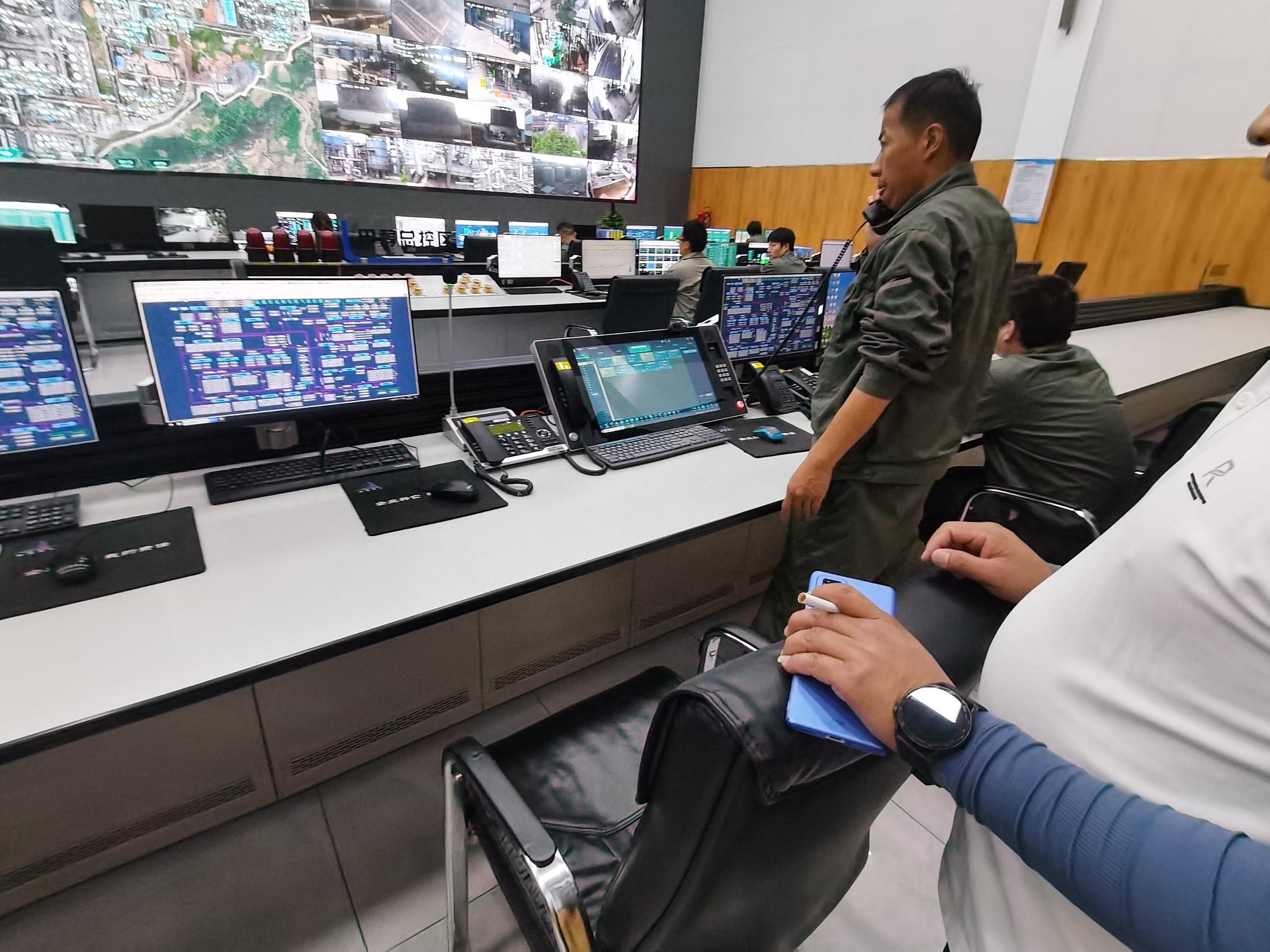
In today’s fast-paced industrial, enterprise, and public safety environments, reliable and versatile communication is non-negotiable. Organizations need systems that can seamlessly integrate multiple communication modes without the complexity and high costs of traditional infrastructure. Becke Telcom’s unified communications system addresses this need by evolving from VOIP telephone technology, leveraging open standards and software-driven architecture to deliver a powerful yet straightforward solution. Built on the Session Initiation Protocol (SIP) standard, this system breaks down interoperability barriers between different vendors and products, enabling the creation of a unified platform that merges voice, video, data, and command dispatch capabilities.
Gone are the days when communication systems relied on circuit-switched hardware that required significant capital investment and physical infrastructure. Modern unified communications solutions, like Becke Telcom’s offering, are built on softswitch technology—where all switching and media processing capabilities are handled by software, rather than dedicated hardware. This shift eliminates the need for specialized, high-cost equipment; instead, the system can run on standard server hardware or even virtual cloud instances, making deployment accessible and cost-effective for organizations of all sizes. Whether deployed on a single physical server or hosted in the cloud via a service provider, Becke Telcom’s unified communications system delivers enterprise-grade performance without the enterprise-grade complexity.
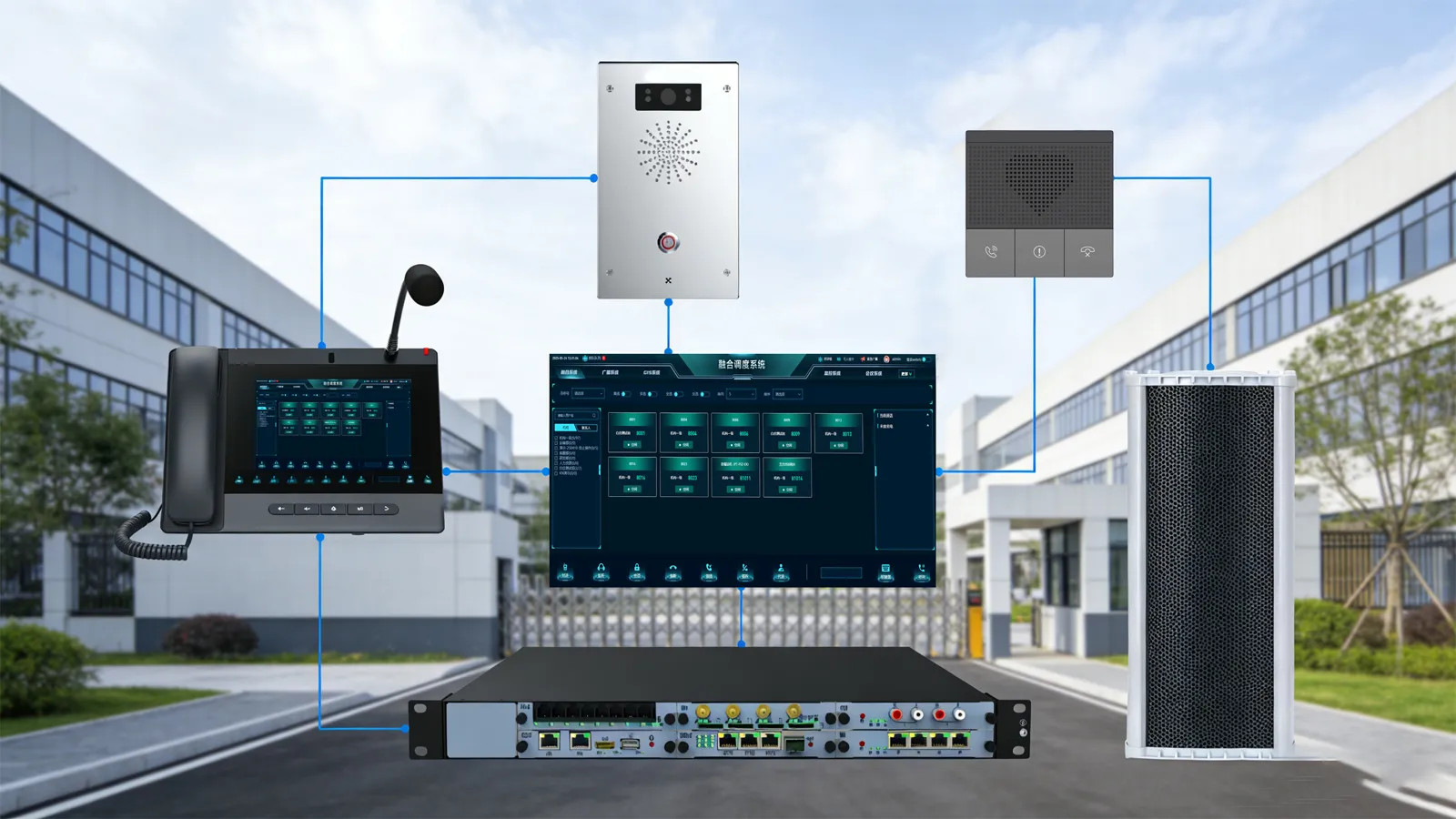
The Evolution of Becke Telcom’s Unified Communications System
To fully appreciate the simplicity and power of Becke Telcom’s solution, it’s important to understand its technical foundation and how it has evolved from traditional communication systems.
1.1 From Circuit Switching to Softswitch: A Paradigm Shift
Early communication systems depended on circuit-switched architecture, which required dedicated hardware for every call path and switching function. This approach was not only expensive but also inflexible, as scaling the system or adding new features required physical hardware upgrades. Becke Telcom’s unified communications system abandons this outdated model in favor of softswitch technology—a software-based approach that centralizes switching, routing, and media processing functions.
Softswitch technology leverages the processing power of standard servers to handle thousands of concurrent communications, eliminating the need for specialized hardware. This software-driven design reduces upfront costs and simplifies maintenance, as updates and feature expansions are delivered through software patches rather than hardware replacements. As a result, organizations can deploy a full-featured unified communications system with minimal infrastructure investment, focusing resources on core operations rather than complex communication hardware.
1.2 SIP Protocol: The Backbone of Open Interoperability
At the heart of Becke Telcom’s unified communications system is the Session Initiation Protocol (SIP)—the global standard for IP-based communication. SIP’s open nature is a game-changer, as it enables seamless interoperability between devices and products from different manufacturers. Unlike proprietary protocols that lock organizations into a single vendor’s ecosystem, SIP ensures that Becke Telcom’s system can integrate with existing telephony equipment, video devices, and third-party applications, protecting prior investments and enabling flexible expansion.
This openness extends to integration with legacy systems and modern technologies alike, making it easy to build a tailored communication ecosystem. Whether connecting to traditional landlines, IP phones, video cameras, or mobile devices, SIP provides a consistent framework for communication, ensuring that all components work together harmoniously. For organizations transitioning from older systems, this interoperability reduces migration complexity and downtime, allowing for a smooth shift to unified communications.
Core Communication Capabilities of Becke Telcom’s Solution
Becke Telcom’s unified communications system packs a comprehensive set of features into its simple deployment model, covering voice, video, data, and command dispatch needs. These capabilities are designed to support diverse use cases, from daily operational communication to critical emergency response.
2.1 Voice-Centric Functions: Reliable Communication for Every Scenario
Voice communication remains the foundation of operational efficiency, and Becke Telcom’s system delivers a full suite of voice capabilities tailored to industrial, enterprise, and public safety needs:
- Voice Dispatch & Calls: Enables real-time, high-quality voice communication between individuals, teams, and control centers, supporting critical decision-making and coordination.
- Voice Broadcast: Allows administrators to send one-way voice messages to multiple users simultaneously, ideal for emergency alerts, announcements, or operational updates.
- Voice Conferencing: Facilitates multi-party calls, enabling remote teams, field personnel, and stakeholders to collaborate without physical proximity.
- Public Network Intercom (PoC): Leverages 4G/5G and wireless internet to deliver push-to-talk (PTT) functionality on smart devices, eliminating the limitations of traditional walkie-talkies—such as short communication ranges and high 专网集群 (private network cluster) deployment costs. PoC supports single calls, group calls, and mass calls, providing flexible communication options for dynamic environments.
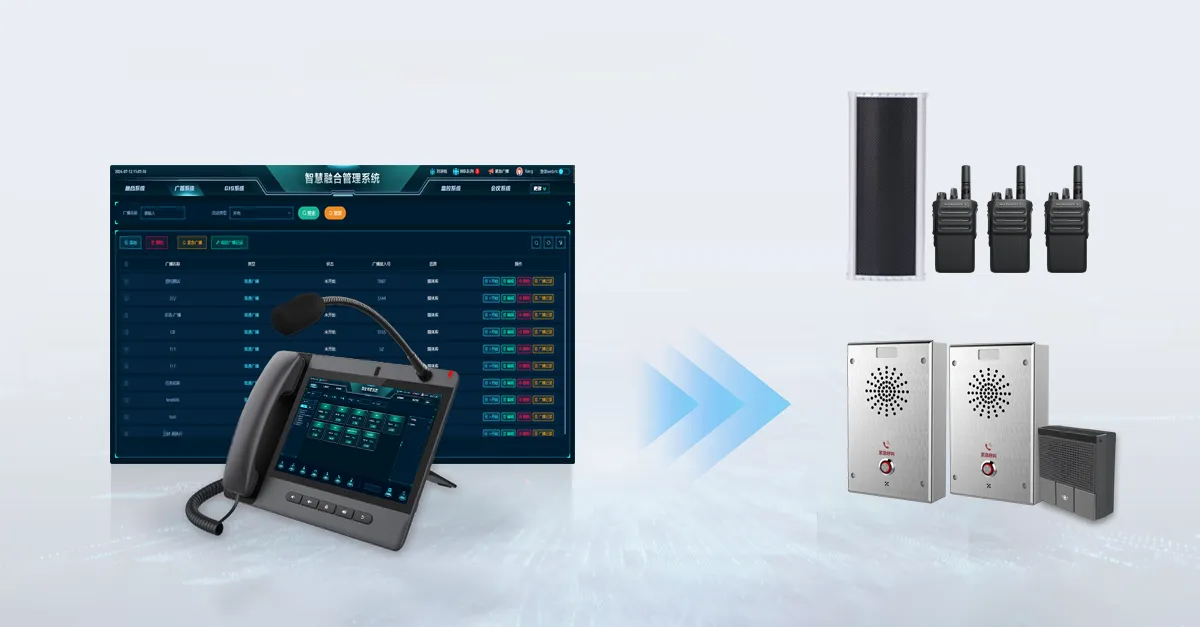
2.2 Video & Visual Communication: Enhancing Situational Awareness
Visual communication is increasingly critical for situational awareness and remote collaboration, and Becke Telcom’s system integrates powerful video capabilities:
- Video Dispatch & Calls: Supports real-time video communication between dispatch centers and field personnel, enabling visual assessment of incidents and remote guidance.
- Video Backhaul: Allows field teams to transmit live video feeds to control centers, providing decision-makers with real-time visibility into on-site conditions.
- GIS Dispatch & Location Tracking: Integrates Geographic Information System (GIS) technology to enable location-based dispatch. Personnel and assets can be tracked in real time on digital maps, allowing for precise resource allocation and coordination.
- Map Control: Empowers dispatch operators to manipulate digital maps, set geofences, and plan routes, enhancing operational efficiency and response times.
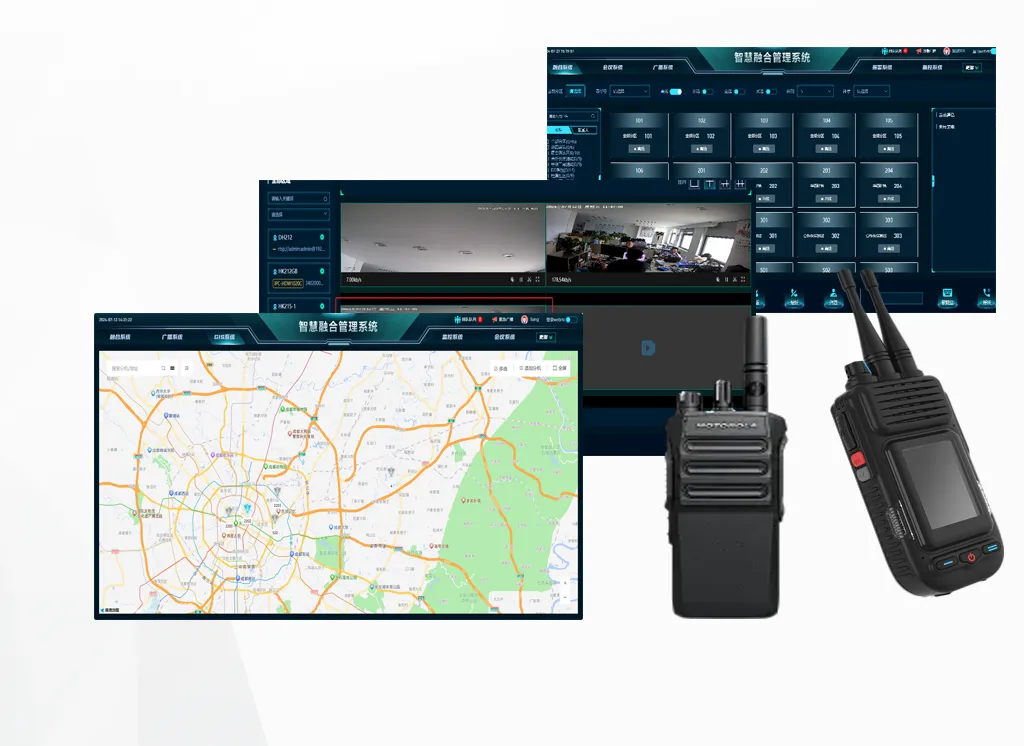
2.3 Command & Control: Streamlined Decision-Making
In high-stakes environments, clear and efficient command dispatch is essential. Becke Telcom’s system includes robust command capabilities to ensure that instructions are delivered quickly and accurately:
- Multi-Format Command Delivery: Supports text commands, image commands, and video commands, allowing dispatchers to choose the most effective communication method for each scenario.
- Dispatch Console Integration: Provides a centralized dispatch console that aggregates communication channels, location data, and system status, giving operators a holistic view of operations and enabling quick, informed decisions.
Public Network & Public-Private Integration Capabilities
One of the most valuable features of Becke Telcom’s unified communications system is its ability to bridge public and private communication networks, eliminating silos and ensuring seamless connectivity across all environments.
3.1 ROIP Gateway: The Key to Private Network Integration
To enable interoperability between public network communications and private network clusters (such as PDT, DMR, and TETRA systems), Becke Telcom’s solution incorporates ROIP (Radio over IP) gateway technology. ROIP gateways act as translators between SIP-based unified communications and proprietary private network protocols, allowing for seamless voice and data exchange between public and private networks.
This integration is critical for organizations that rely on private networks for secure, dedicated communication but need to connect with public network users or external stakeholders. For example, public safety agencies using PDT (Police Digital Trunking) networks can leverage ROIP gateways to communicate with field personnel using PoC on public 4G/5G networks, ensuring coordinated response to emergencies. Similarly, industrial facilities using DMR (Digital Mobile Radio) can integrate with enterprise IP phone systems, streamlining communication between on-site teams and office staff.
Becke Telcom’s ROIP gateways also support integration with specialized communication systems, such as aviation radios and shortwave radios, making the solution versatile enough for complex operational environments that require multi-network connectivity.
3.2 Public-Private Fusion: Balancing Flexibility and Security
Public-private fusion addresses the limitations of relying solely on public or private networks. Public networks (4G/5G, Wi-Fi) offer wide coverage and low deployment costs, making them ideal for mobile personnel and remote locations. Private networks (PDT, DMR, TETRA) provide enhanced security, reliability, and dedicated bandwidth, critical for sensitive or mission-critical communication.
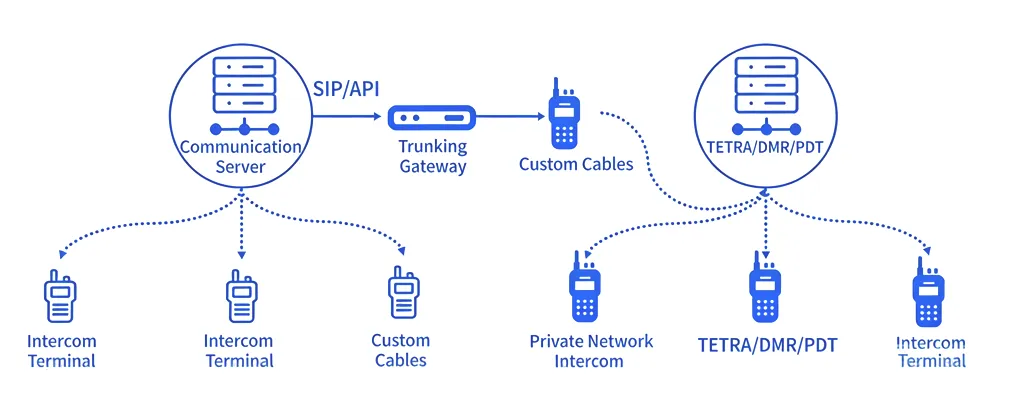
Becke Telcom’s system combines the best of both worlds, allowing organizations to switch between public and private networks based on operational needs. For routine communication, teams can use cost-effective public network PoC; for sensitive or high-priority tasks, they can seamlessly transition to secure private networks—all through a single unified interface. This flexibility ensures that organizations are not constrained by network limitations, adapting to changing conditions and requirements in real time.
Video Integration Features: Unifying Visual Surveillance and Communication
Visual data is a powerful tool for situational awareness and security, and Becke Telcom’s unified communications system integrates seamlessly with video devices to create a comprehensive visual communication ecosystem—with no drone integration (per requirements).
4.1 Device Integration: Connecting Cameras, Recorders, and More
The system supports integration with a wide range of video devices, enabling organizations to leverage existing visual infrastructure and enhance it with communication capabilities:
- Video Surveillance Cameras: Integrates with IP and analog video surveillance cameras (supporting standard protocols like ONVIF and RTSP), allowing dispatch centers to view live feeds and recorded footage directly within the unified communication platform.
- Body-Worn Recorders: Connects with body-worn cameras used by field personnel, enabling real-time video transmission and playback for documentation, training, and incident review.
- Deployable Cameras: Supports integration with portable deployable cameras (often referred to as “bulkhead cameras”), which can be quickly set up in temporary locations or emergency scenes to provide additional visual coverage.
This integration eliminates the need for separate video monitoring and communication platforms, streamlining operations and reducing cognitive load for operators who no longer need to switch between multiple systems.
4.2 Video Management: Recording, Playback, and Analysis
Becke Telcom’s system includes built-in video management capabilities to maximize the value of visual data:
- Continuous Recording: Captures video feeds from integrated devices 24/7, with flexible storage options including local servers and cloud storage.
- Search and Playback: Allows users to quickly search for and playback recorded video by time, location, or device, facilitating incident investigation and compliance documentation.
- Video-Communication Synchronization: Links video footage with voice and data communications, providing context for incidents and enabling comprehensive post-event analysis.
Additional Technical Capabilities: Enhancing Versatility and Customization
Beyond core communication and integration features, Becke Telcom’s unified communications system includes a range of additional capabilities that enhance its versatility and adaptability to specific organizational needs.
5.1 Built-In Recording and Documentation
The system features built-in voice and video recording functionality, ensuring that all communications and visual data are captured for compliance, audit, and training purposes. Recordings are securely stored and easily accessible, providing a reliable record of interactions and events. This feature is particularly valuable for regulated industries and public safety organizations that require comprehensive documentation of operations and emergency responses.
5.2 SIP Trunking and External System Integration
Becke Telcom’s solution supports SIP trunking, enabling connection to public switched telephone networks (PSTN) and external IP phone systems. This integration allows users to make and receive calls to standard landlines and mobile phones, extending the reach of the unified communications system beyond internal users. Whether communicating with customers, suppliers, or emergency services, organizations can leverage existing telephone infrastructure while maintaining the benefits of unified communications.
5.3 API Development Interfaces: Customization and Scalability
To meet unique operational requirements, the system provides API (Application Programming Interface) development tools that allow for custom integrations and feature extensions. Organizations can integrate the unified communications system with existing business applications—such as enterprise resource planning (ERP) software, customer relationship management (CRM) platforms, or security systems—creating a tailored ecosystem that aligns with specific workflows.
APIs also enable third-party developers to build custom applications and features, ensuring that the system can evolve with changing business needs. Whether adding specialized dispatch tools, integrating with IoT (Internet of Things) devices, or creating custom reporting dashboards, the API framework provides the flexibility to extend the system’s capabilities without compromising performance or reliability.
Simplified Deployment & Cost Efficiency: Making Unified Communications Accessible
One of the most compelling advantages of Becke Telcom’s unified communications system is its simplified deployment model, which eliminates the barriers to entry associated with traditional communication systems.
6.1 Flexible Deployment Options: Server or Cloud
Organizations can deploy the system in a way that best fits their infrastructure and budget:
- On-Premises Server Deployment: A single standard server is sufficient to run the entire unified communications system, making it ideal for organizations that prefer to maintain control over their infrastructure or have limited internet connectivity.
- Cloud Deployment: For maximum flexibility and minimal physical infrastructure, the system can be deployed on virtual cloud instances from leading cloud service providers. Cloud deployment eliminates the need for on-site server hardware, reduces maintenance requirements, and enables remote management and scaling.
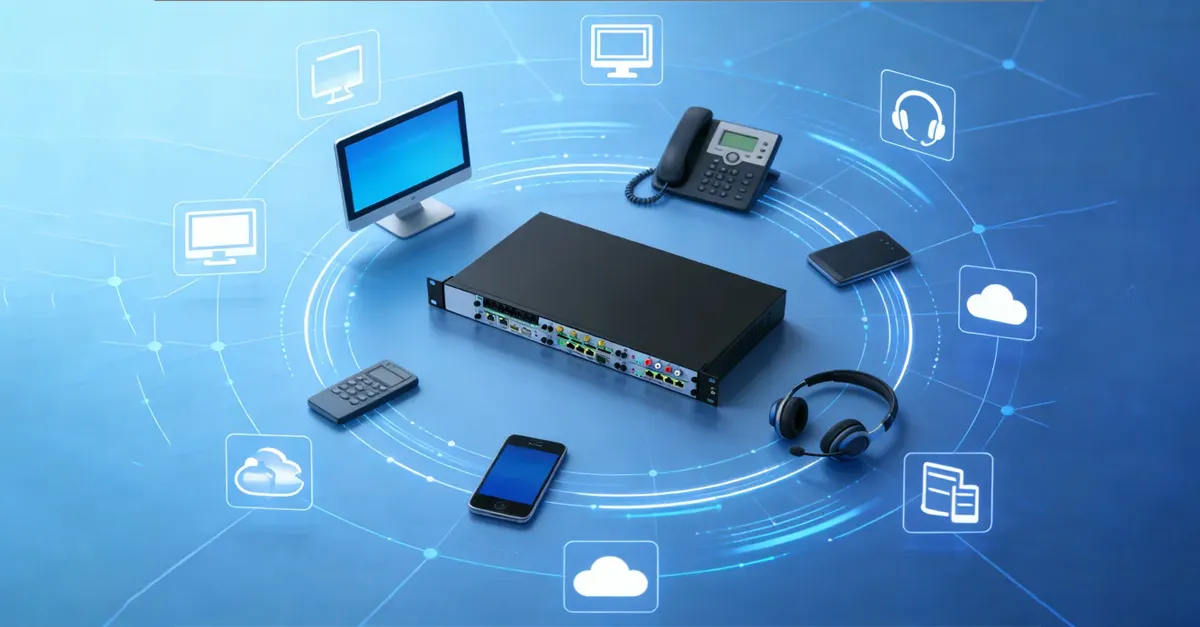
Both deployment options deliver the same full-featured unified communications experience, ensuring that organizations can choose the model that aligns with their operational needs and resources.
6.2 Cost Savings Through Software-Driven Design
By leveraging softswitch technology and standard hardware, Becke Telcom’s system delivers significant cost savings compared to traditional communication solutions:
- Lower Upfront Costs: No need for specialized switching hardware or proprietary equipment, reducing initial capital investment.
- Reduced Maintenance Costs: Software updates and feature expansions eliminate the need for costly hardware upgrades, lowering long-term operational expenses.
- Scalable Pricing: Organizations only pay for the features and capacity they need, with the ability to scale up or down as requirements change.
These cost savings make unified communications accessible to small and mid-sized organizations that may have been priced out of traditional enterprise-grade solutions, democratizing access to advanced communication capabilities.
Conclusion: Becke Telcom’s Unified Communications System—Simple, Powerful, and Future-Proof
In an era where effective communication is critical to operational success and safety, Becke Telcom’s unified communications system stands out as a simple yet powerful solution that delivers comprehensive capabilities without the complexity. Built on SIP and softswitch technology, the system offers open interoperability, flexible deployment, and seamless integration between public and private networks—all through a single, easy-to-manage platform.
From voice and video communication to command dispatch, public-private fusion, and video integration, Becke Telcom’s solution covers every communication need, adapting to diverse industries and use cases. The inclusion of ROIP gateways ensures compatibility with legacy private networks, while API interfaces enable customization and future expansion. Whether deployed on a single server or in the cloud, the system delivers enterprise-grade performance at a fraction of the cost of traditional communication infrastructure.
For organizations seeking a reliable, versatile, and cost-effective unified communications solution, Becke Telcom’s offering provides the perfect balance of simplicity and power. By eliminating the barriers of complex hardware and proprietary protocols, it empowers organizations to focus on what matters most—delivering efficient, coordinated operations and ensuring the safety of personnel and assets. In a world where communication can make or break success, Becke Telcom’s unified communications system is a future-proof investment that grows and evolves with your organization.

 English
 Deutsch
 한국어
한국어 Русский
 Français
 日本語
日本語 لالعربية
 हिन्दी
 Español
 Português
 繁体中文
繁体中文 简体中文
简体中文