Smart projects—including smart communities, industrial parks, factories, and even smart cities—are built on the convergence of multiple systems to enable advanced interconnection and interaction capabilities, ultimately meeting the demand for intelligent application scenarios. At the core of all smart project integration is video convergence: integrating diverse video devices and streaming media resources with the project’s business platform is a fundamental step to unlock intelligent functions such as real-time monitoring, AI analysis, and cross-system collaboration. However, video devices on the market vary drastically in terms of manufacturers, communication protocols, and product types, creating significant barriers to seamless video integration and unified calling. Video gateways solve these core pain points, and Becke Telcom’s industrial-grade video gateways, with their enhanced protocol support, transcoding capabilities, and flexible output functions, have become an indispensable core device for the development and implementation of modern smart projects. This article explores the key challenges of video convergence in smart projects and the core advantages that make video gateways a must-have component, as well as how Becke Telcom’s video gateways streamline project development and boost project competitiveness.
Core Challenges of Video Convergence in Smart Project Development
Video convergence is far more complex than simple device connection, and smart project developers face a series of technical challenges due to the heterogeneity of video resources and the diverse demands of business platforms. These challenges are the primary reasons why a professional video gateway is required, rather than simple manual integration of video devices.
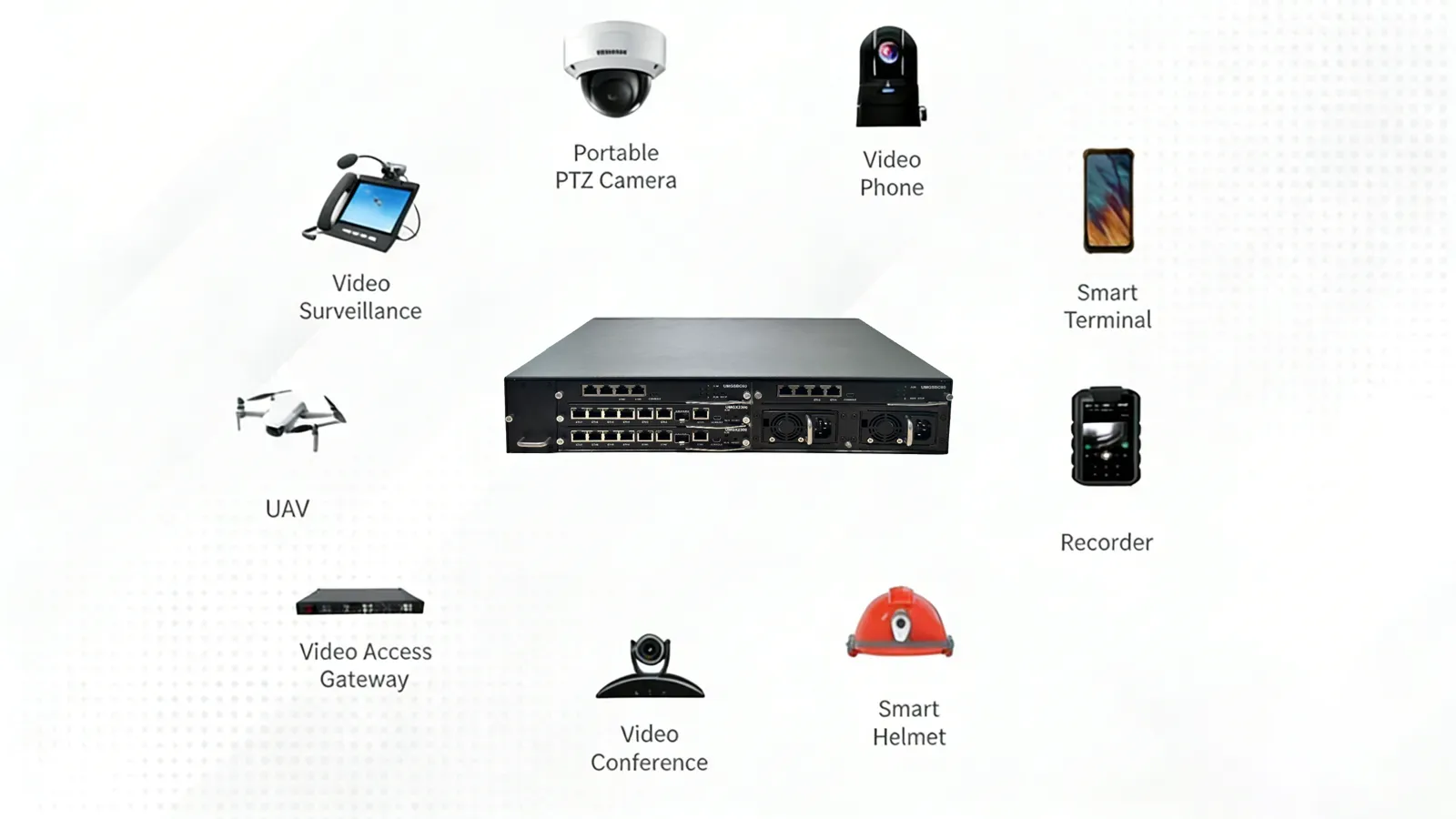
First, the diversity of video access protocols and device types creates integration bottlenecks. Early smart projects only required integration of standard video surveillance cameras, but modern smart projects demand access to a wide range of video sources—including mobile ball cameras, body-worn recorders, smart helmets, video phones, UAVs, video conference systems, and encoders/decoders—each with its own proprietary communication protocol and data transmission format. Without a unified access device, developers must conduct custom development for each device and protocol, significantly increasing development cycles and labor costs.
Second, outdated video output methods fail to meet modern business needs. Many early projects relied on RTSP to pull camera video streams and embed RTSP players in the front-end interface for video display. This solution has critical limitations: it places excessive bandwidth pressure on cameras, cannot support stable remote network access, lacks camera control capabilities, and suffers from poor compatibility with different business platforms. The result is a poor user experience, with issues such as video lag, failure to load, and unresponsive controls plaguing project operation.
Third, video format incompatibility causes cross-system communication failures. Different video devices generate video streams with varying encoding formats (H.264/H.265), frame rates, bit rates, and resolutions. When these video streams are transmitted to AI analysis servers, large-screen display systems, converged communication platforms, or mobile APPs, format mismatches often lead to video freezes, screen corruption, or complete failure to display. Many low-end devices claim to support "video transcoding" but only modify protocol encapsulation without adjusting core video parameters, failing to solve the fundamental compatibility problem.
Finally, the lack of flexible interface capabilities hinders rapid project integration. Smart projects require video resources to be seamlessly integrated with business platforms, third-party systems, and end-user terminals. Without a unified set of application programming interfaces (APIs) and integrated communication functions, developers must build custom connection modules for each business scenario, increasing technical risks and delaying project delivery.
These challenges are universal in smart project development, and a professional, industrial-grade video gateway is the only effective solution to address them comprehensively.
Core Advantages of Becke Telcom’s Video Gateways for Smart Projects
Becke Telcom’s video gateways are engineered specifically for the video convergence needs of modern smart projects, with a full set of enhanced technical capabilities that address the above challenges head-on. From rich multi-protocol access to genuine real-time transcoding and flexible integrated interfaces, every function is optimized for the practical demands of smart project development, making it a one-stop video convergence solution for developers.
Rich Multi-Protocol Video Access Capabilities
The foundation of effective video convergence is universal access, and Becke Telcom’s video gateways offer unmatched flexibility in protocol and device support, capable of accessing almost all video sources used in smart projects. Unlike single-function video access devices that only support standard surveillance cameras, our video gateways support the access of both traditional video surveillance equipment and emerging intelligent video terminals.
This includes fixed IP cameras (IPCs) and network video recorders (NVRs) from all major manufacturers, as well as mobile and portable video devices such as mobile ball cameras, body-worn law enforcement recorders, and smart helmets. It also integrates professional streaming media resources such as UAV aerial video, video conference system streams, and video phone calls—covering all video source types required for smart communities, industrial parks, and smart factories. The gateways support all mainstream industrial access protocols, and their adaptive protocol parsing capability ensures stable connection and data acquisition even for non-standard proprietary protocols from individual manufacturers, eliminating the need for custom development for specific devices.
This all-in-one access capability streamlines the video integration process, allowing developers to connect all video devices to a single Becke Telcom video gateway, rather than deploying multiple access devices for different video sources—reducing both hardware costs and system complexity.
Powerful and Diverse Video Output Capabilities
Video output capability directly determines how video resources are applied across different business scenarios, and Becke Telcom’s video gateways break the limitations of outdated RTSP-only output with a comprehensive suite of standard video output protocols, supporting simultaneous multi-protocol output for the same video stream. This is a critical feature that adapts video resources to the diverse demands of smart project business platforms, end terminals, and third-party systems.
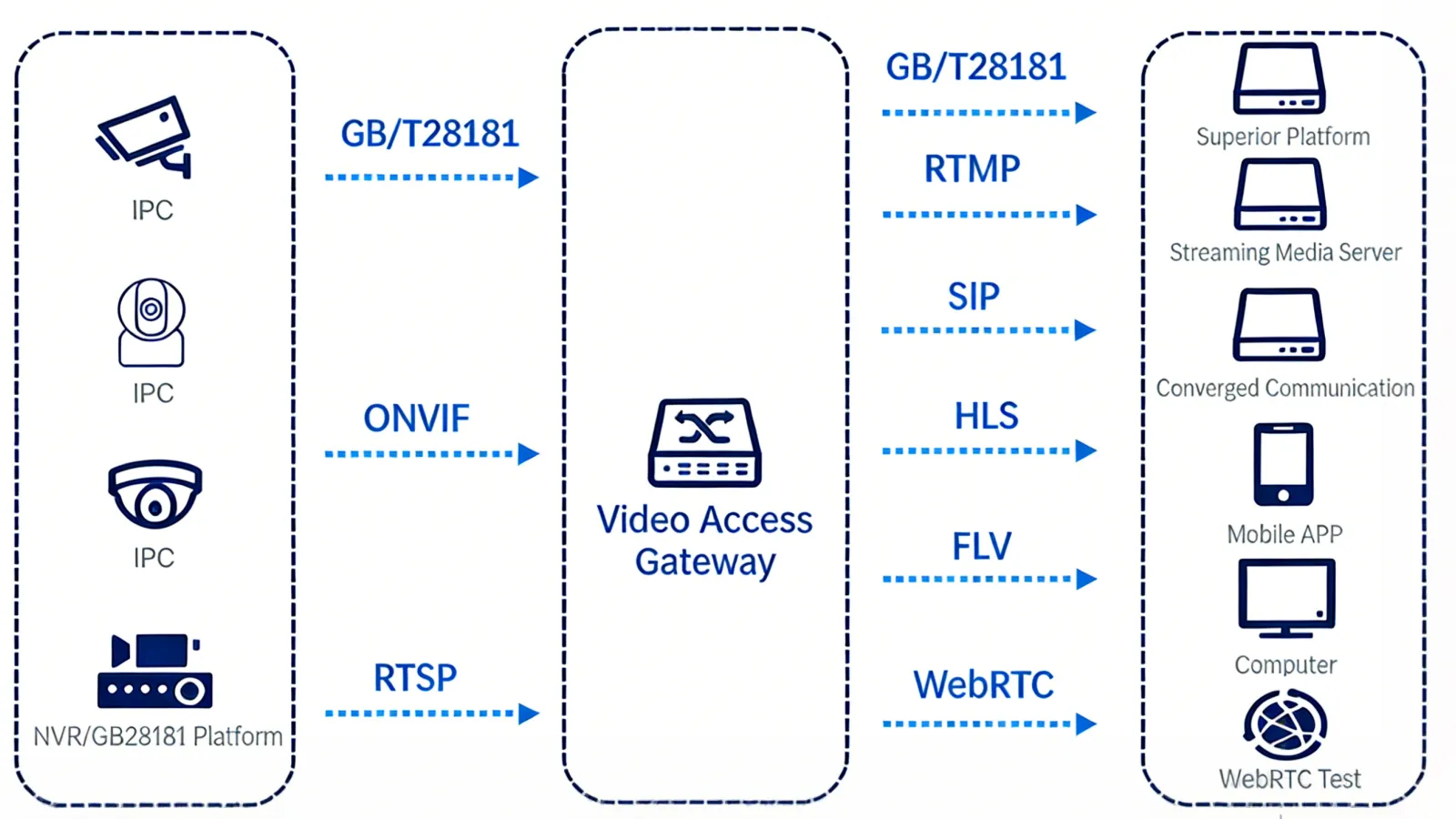
Our video gateways support the output of RTSP, RTMP, FLV, HLS, WebRTC, and SIP video streams, with the ability to transmit the same video source to multiple different systems via different protocols at the same time. For example, an IPC’s real-time video stream can be output as RTSP to an AI analysis server for intelligent recognition and alarm analysis, and the same stream can be output as WebRTC to a mobile APP or web terminal for real-time viewing by end users when an alarm is triggered. This simultaneous multi-output capability eliminates the need for multiple video transcoding and distribution devices, and also relieves bandwidth and processing pressure on the original video sources such as surveillance cameras, ensuring stable operation of the entire video system.
In contrast to the early RTSP-only solution, Becke Telcom’s multi-protocol output supports remote network access, real-time camera control, and full compatibility with different operating systems and front-end interfaces—delivering a smooth, high-quality video experience for both project operators and end users. The gateways also support seamless connection to superior management platforms, NVR/GB/T28181 platforms, and converged communication systems via standard protocols such as GB/T28181 and ONVIF, enabling unified video management across the entire smart project.
Genuine Real-Time Video Transcoding for Unmatched Compatibility
Video transcoding is the most misunderstood and underdelivered feature in video convergence, and Becke Telcom’s video gateways stand out from low-end alternatives by offering genuine real-time video transcoding, not just simple protocol encapsulation modification. This capability is the key to solving cross-system video format incompatibility, the biggest pain point in smart project development.
Genuine video transcoding involves the real-time adjustment of core video parameters, including encoding formats (H.264/H.265 mutual conversion), frame rates, bit rates, and resolutions—rather than just changing the outer protocol package of the video stream while leaving the core parameters unchanged. This requires powerful industrial-grade processing chips and optimized transcoding algorithms, which increases hardware costs but is essential for seamless cross-system video convergence. Becke Telcom’s video gateways are equipped with high-performance processing modules that support low-latency H.264/H.265 mutual conversion, and can dynamically adjust frame rates and bit rates based on the bandwidth and performance of the receiving system—for example, converting a high-bitrate H.265 video stream from a UAV to a low-bitrate H.264 stream for smooth playback on a mobile APP with limited bandwidth.
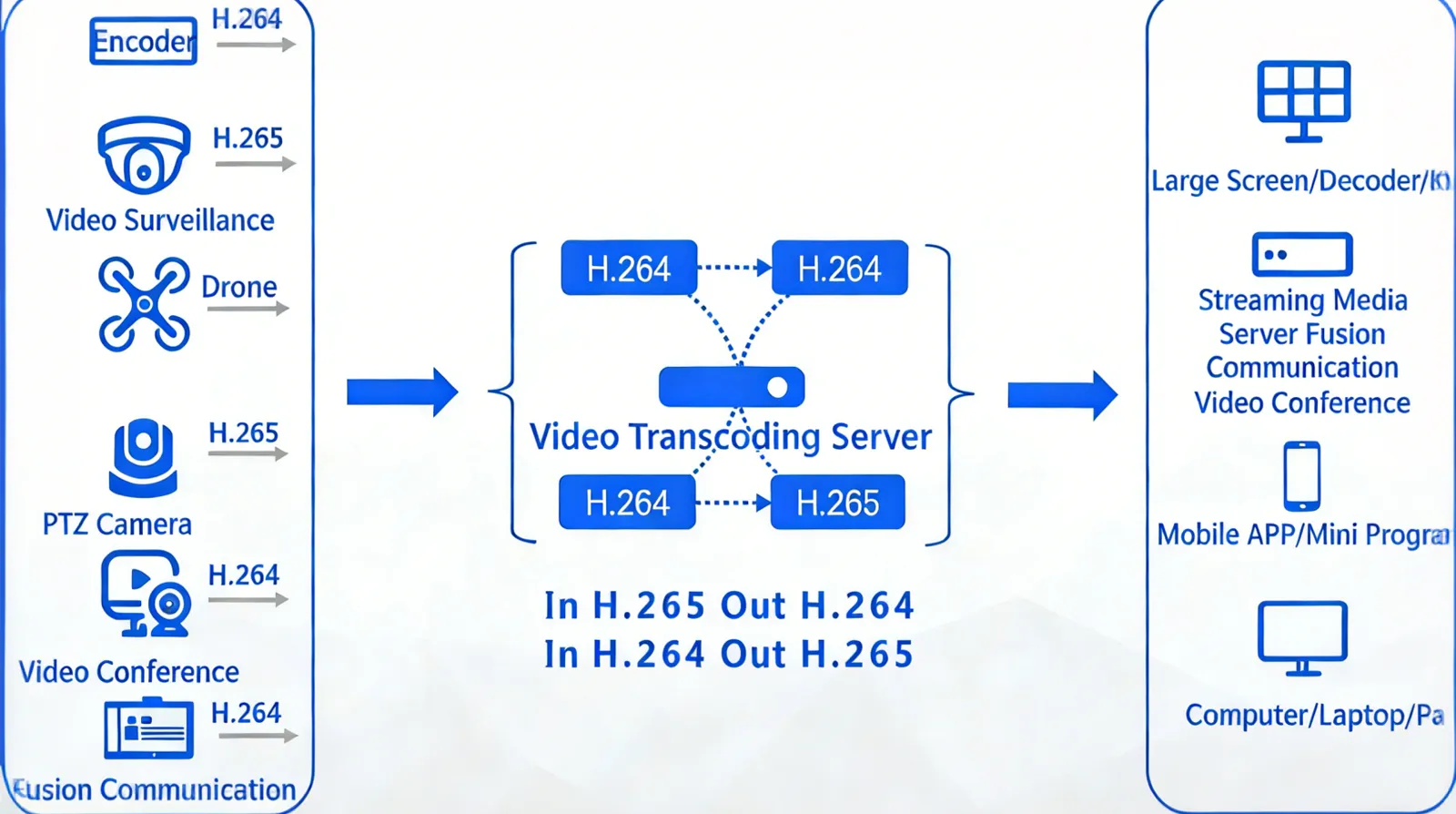
This real transcoding capability completely solves the problems of video freeze, screen corruption, and failure to display caused by parameter incompatibility between different video sources and receiving systems. Whether video streams are transmitted to AI analysis servers, large-screen decoders, KVM systems, converged communication platforms, or mobile terminals, Becke Telcom’s video gateways ensure perfect compatibility. This not only simplifies project development by eliminating the need for custom format conversion modules but also ensures the stability and reliability of video convergence in the long-term operation of smart projects.
Flexible Interface and Integrated SIP Communication Capabilities
Becke Telcom’s video gateways go beyond basic video access and transcoding, offering flexible interface capabilities and integrated SIP-based communication functions that further streamline smart project development and reduce technical integration work. This is a key differentiator that makes our video gateways a comprehensive solution, not just a single video processing device.
First, the gateways provide a full set of standard RESTful APIs as the basic interface for video integration, allowing developers to quickly call video access, transcoding, output, and control capabilities via simple interface calls—eliminating the need for complex secondary development. All API interfaces are fully documented and compatible with mainstream programming languages and development frameworks, ensuring seamless integration with any smart project business platform.
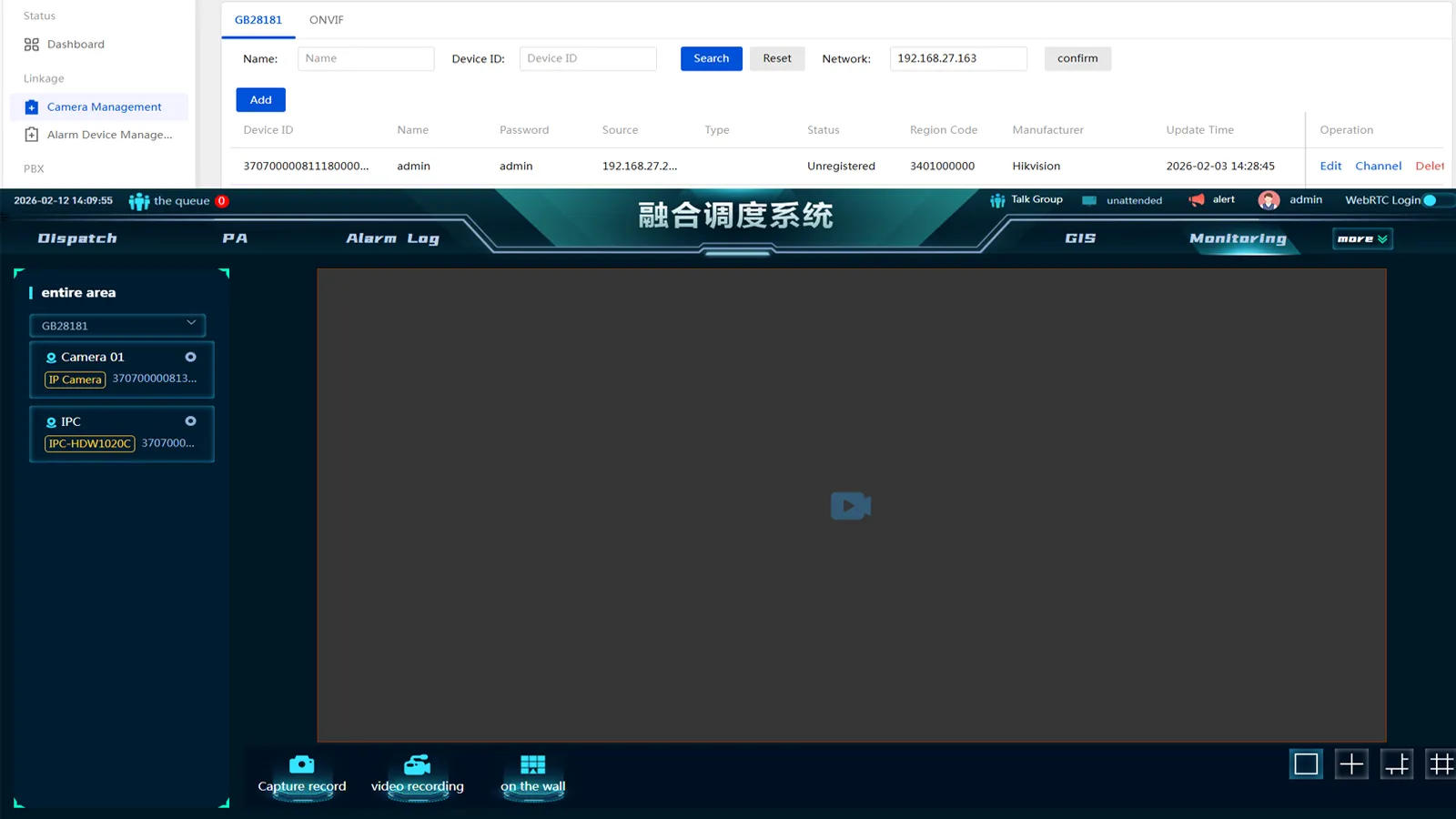
In addition to standard APIs, Becke Telcom’s video gateways feature a built-in SIP web phone capability, a game-changing feature for converged communication in smart projects. This capability allows the video gateway to act as a unified communication hub, integrating video and voice communication without the need for additional SIP servers, surveillance servers, or streaming media servers. Developers can directly call the SIP web phone function to realize video calls, audio calls, mute, hang-up, and other communication operations by entering the video source ID or SIP terminal number. For example, project operators can initiate a video call with a field smart helmet terminal or a video phone directly from the web management interface of the video gateway, with zero additional development work.
This integrated communication capability condenses the functions of multiple servers into a single video gateway device, significantly reducing the hardware investment and technical complexity of smart projects—especially valuable for small and medium-sized smart projects with limited budgets and development resources.
How Becke Telcom’s Video Gateways Empower Smart Project Development
The value of Becke Telcom’s video gateways for smart project development extends far beyond technical capability: they directly address the core needs of developers and project operators by reducing technical risks, accelerating project delivery, and creating unique competitive advantages for smart projects.
First, they significantly reduce technical risks and development costs. By providing a one-stop solution for video access, transcoding, output, and integration, Becke Telcom’s video gateways eliminate the need for custom development for each video device, protocol, and business scenario. Developers no longer need to tackle complex protocol parsing, format conversion, and cross-system compatibility issues, reducing the likelihood of technical failures and rework during project development. The gateways’ plug-and-play design and simple configuration interface also shorten the project deployment and debugging cycle, allowing smart projects to be delivered to the market faster.
Second, they enable rapid implementation of smart project video convergence. Becke Telcom’s video gateways are designed for industrial scenarios with high stability and reliability, and their universal compatibility means they can be seamlessly integrated with existing video devices and business platforms of project operators—no need to replace or upgrade existing hardware. This is critical for retrofitting and upgrading existing smart projects, as it allows operators to unlock advanced video convergence functions without large-scale hardware investment.
Finally, they help create unique competitive advantages for smart projects. The gateways’ rich output capabilities and integrated SIP communication functions allow developers to build user-centric unique features for smart projects—such as real-time remote video call with field terminals, AI alarm linkage with mobile APP video viewing, and unified video and voice management. These features make smart projects more practical and user-friendly, differentiating them from generic smart project solutions on the market and helping project developers and operators gain a competitive edge in the industry.
Conclusion
Video convergence is the cornerstone of modern smart project development, and the heterogeneity of video devices and the diversity of business demands make professional video gateways an indispensable core component. Becke Telcom’s industrial-grade video gateways address the core technical challenges of video convergence in smart projects with their rich multi-protocol access capabilities, powerful simultaneous multi-output functions, genuine real-time video transcoding, and flexible interface and integrated communication capabilities—providing a one-stop, turnkey video convergence solution for smart project developers.
In an era where smart projects are rapidly evolving and the demand for video integration is becoming more complex, Becke Telcom’s video gateways are more than just a hardware device: they are a strategic enabler for smart project development. By reducing technical risks, accelerating project delivery, and enabling the creation of unique user-centric features, our video gateways help smart project developers and operators turn their intelligent application ideas into practical, high-performance solutions—whether for smart communities, industrial parks, smart factories, or smart cities. As the smart project industry continues to grow, video gateways will remain a core technical foundation, and Becke Telcom will continue to optimize and upgrade its video gateway solutions to meet the ever-evolving video convergence needs of the smart project market.

 English
 Deutsch
 한국어
한국어 Русский
 Français
 日本語
日本語 لالعربية
 हिन्दी
 Español
 Português
 繁体中文
繁体中文 简体中文
简体中文