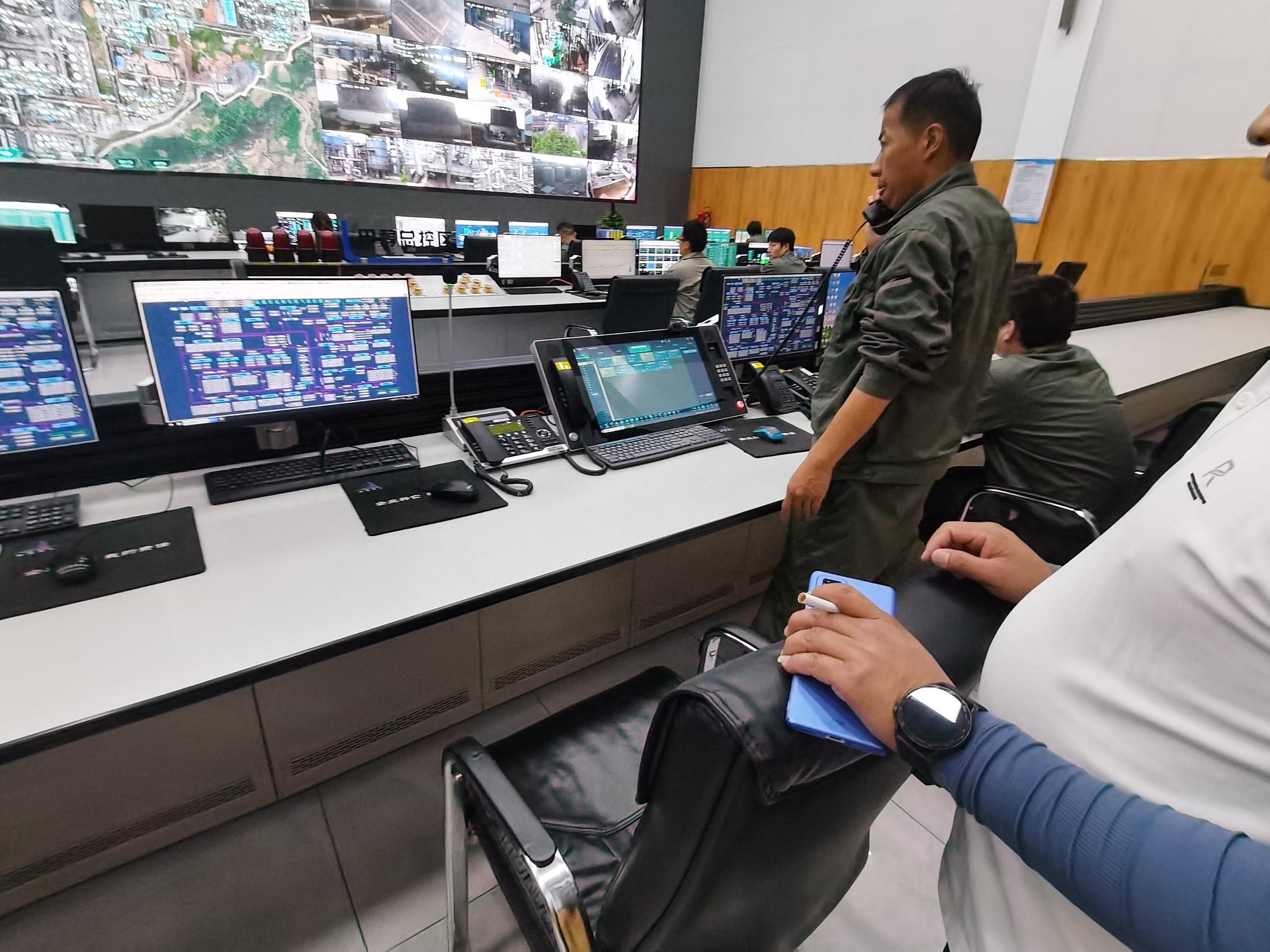
IP phones have become an indispensable component of modern enterprise communication infrastructure, delivering intelligent, network-based communication capabilities that outperform traditional telephones in daily office operations, on-duty monitoring, contact centers and a wide range of professional scenarios. With a diverse range of models and configurations available on the market, selecting the right IP phone requires a strategic evaluation of technical parameters and functional features aligned with business needs. Becke Telcom, a leading provider of communication solutions including IP phones and ROIP gateways, has compiled the core considerations for enterprises to select IP phone devices that match their operational requirements and integration demands.
Audio Coding: The Foundation of Clear Voice Communication
At the core of any IP phone’s functionality is voice communication, and the choice of audio coding directly determines the quality of call experiences. The most critical distinction in audio coding for business IP phones lies between narrowband and wideband standards, with G.722 emerging as the gold standard for high-end devices and G.711 serving as the traditional narrowband alternative.
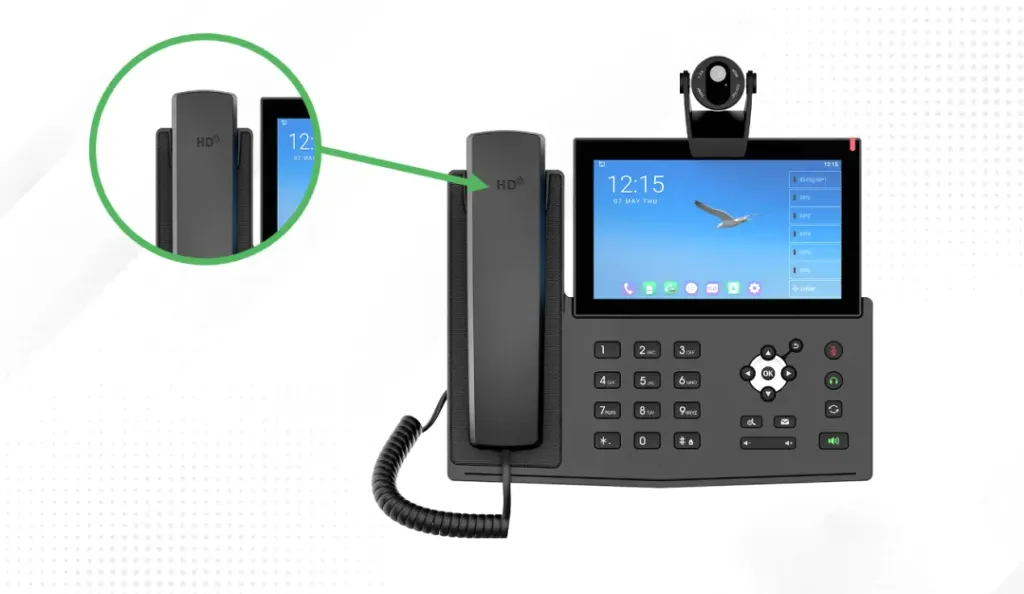
G.722 wideband audio coding supports a much broader frequency range than G.711, delivering natural, high-definition voice quality that makes conversations feel more in-person—an essential feature for professional scenarios like client negotiations and conference calls. All enterprise-grade IP conference phones and premium desktop models support G.722 coding, and these devices are clearly marked with the HD logo, providing a quick visual identifier for buyers evaluating voice quality capabilities. For contact centers and remote teams where clear communication is mission-critical, G.722 HD audio is a non-negotiable parameter that directly impacts operational efficiency and customer satisfaction.
Operating System: Balancing Stability and Smart Integration
Modern IP phones are powered by two primary operating system architectures, each with distinct advantages tailored to different business use cases: Linux and Android-based intelligent systems. The choice between these systems hinges on whether the enterprise requires a dedicated communication device or a smart, integrated terminal.
Linux-based IP phones offer a fixed, streamlined feature set optimized for core telephony functions. Their closed, dedicated architecture delivers exceptional operational stability and ease of use, with a minimal learning curve for end users. Customization for Linux devices requires development based on the hardware’s native interfaces, making them the ideal choice for enterprises that need reliable, low-maintenance communication tools for basic call operations without complex integration needs.
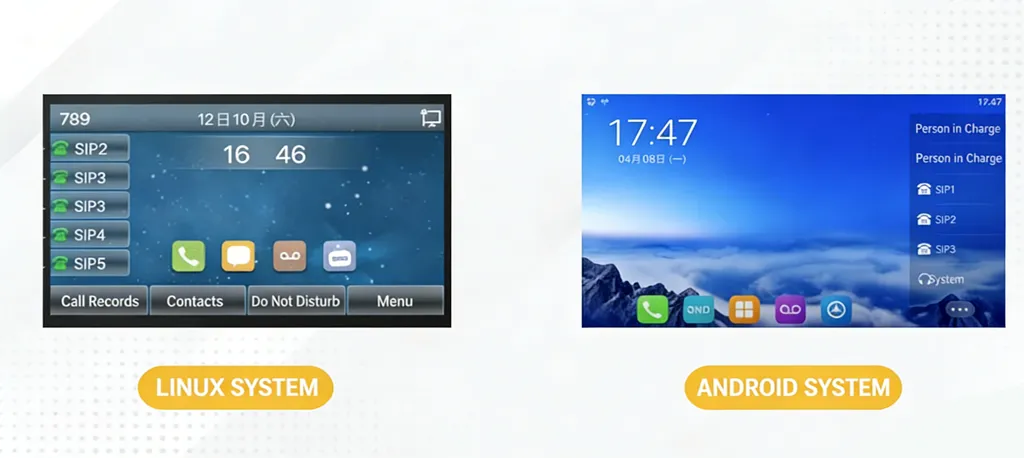
Android-based IP phones, by contrast, function as customized smart terminals that combine telephony with tablet-like functionality. These devices support the installation of third-party Android applications, enabling seamless integration with enterprise software ecosystems—including dispatch systems, CRM tools and industry-specific apps developed by Becke Telcom for vertical markets. This smart integration capability makes Android IP phones a powerful choice for integrated communication projects, where the device serves as a central hub for multiple business functions beyond basic calling.
Network Connectivity: Ensuring Reliable, Scalable Deployment
As network-dependent devices, IP phones rely on robust connectivity options to deliver consistent performance, with wired and wireless interfaces catering to different office environments and deployment needs. The quality of the network port is a foundational parameter, with a clear divide between entry-level and enterprise-grade devices.
Entry-level IP phones typically feature 100Mbps Ethernet ports, which suffice for basic small-office scenarios with low call volume. High-end and enterprise-focused models, however, are equipped with 1000Mbps Gigabit Ethernet ports that support high-bandwidth communication, minimize latency and accommodate simultaneous voice, video and data transmission—critical for busy contact centers and large-scale office networks.
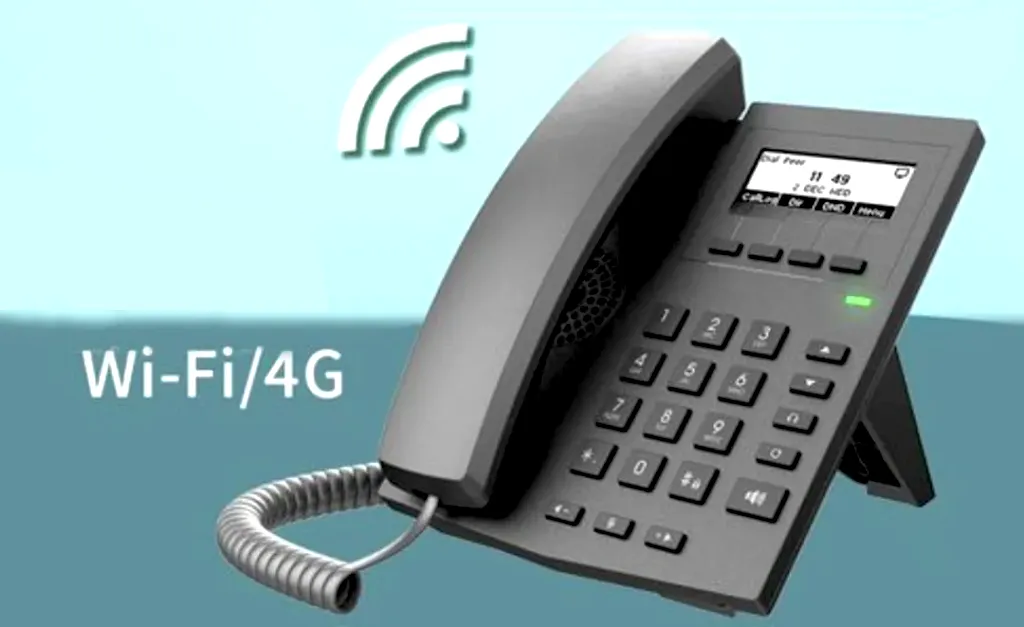
For flexible deployment in environments where wired network jacks are unavailable (e.g., hot-desking areas, temporary workspaces or field operations), many IP phones offer Wi-Fi connectivity as a wireless alternative. This feature enables rapid deployment without additional wiring, making it a valuable addition for enterprises with dynamic office layouts or remote work requirements. When paired with Becke Telcom’s ROIP gateways, wireless IP phones can also extend communication capabilities to field teams using cluster intercom systems, creating a unified communication ecosystem across wired and wireless environments.
Power Supply: Simplifying Deployment with Efficiency and Convenience
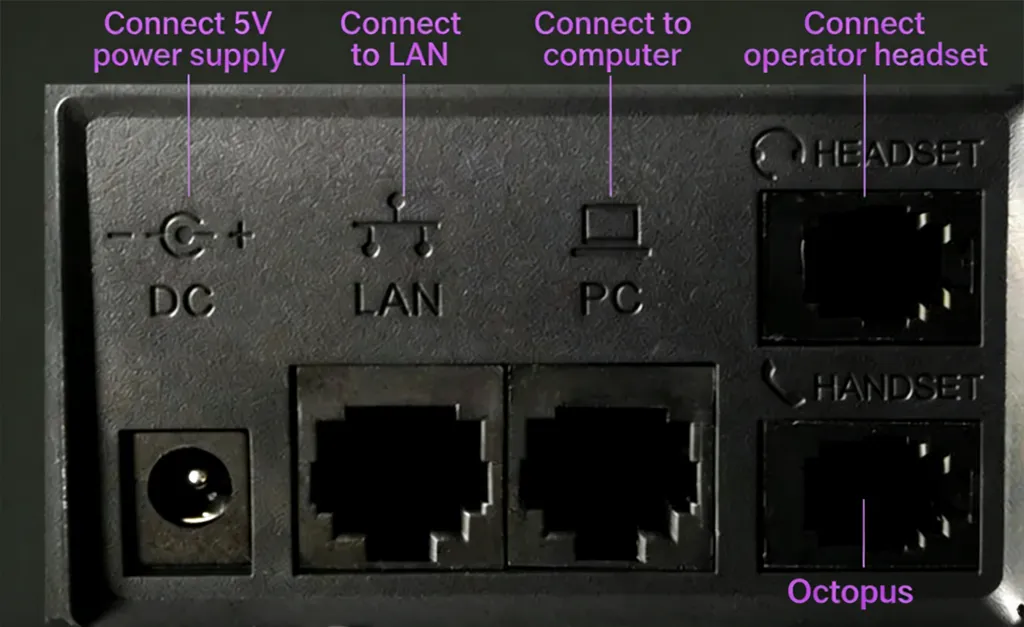
IP phones support two primary power supply methods, each with trade-offs in terms of deployment complexity and infrastructure requirements: external power adapters and PoE (Power over Ethernet). The choice of power supply directly impacts the neatness of office setups and the cost of infrastructure deployment.
External power adapters are the basic option, requiring a dedicated power outlet and a separate adapter for each device. While this method has no special infrastructure requirements, it leads to cluttered wiring, increases the number of power devices needed and complicates desk organization—especially in dense contact center environments with dozens of IP phones.
PoE power supply has become the preferred choice for enterprise deployments, delivering both power and data through a single Ethernet cable. This eliminates the need for separate power adapters and outlets, streamlining wiring and reducing deployment costs. Becke Telcom recommends PoE for centralized IP phone deployments, with the critical note that the connected network switch ports must support PoE functionality to ensure reliable power delivery. PoE not only simplifies installation but also enhances device mobility, allowing for easy reconfiguration of office layouts without rewiring for power.
Screen Parameters: Enhancing Usability for Smart Operations
Screen size and functionality are key parameters that shape the user experience and expand the IP phone’s capabilities beyond basic calling, with a clear differentiation between entry-level and smart enterprise models.
Entry-level IP phones feature small, non-touch screens that only display basic call information (e.g., caller ID, call duration and line status). These screens meet the needs of basic telephony but lack the flexibility for advanced operations. High-end IP phones, by contrast, are equipped with large touch screens—ranging from 7 inches to 10 inches or larger—that support intuitive touch operation, multi-tasking and access to advanced features.
Large touch screens are particularly valuable for scenarios requiring smart integration, such as video conference terminals, dispatch centers and contact centers where agents need to access customer data, call logs and CRM tools directly from the IP phone. Becke Telcom’s large-screen IP phones integrate seamlessly with enterprise software and ROIP gateways, allowing users to manage both traditional calls and cluster intercom communications through a single, intuitive interface—eliminating the need for multiple devices and streamlining workflow.
Video Capabilities: Meeting the Demand for Visual Communication
Pure voice communication no longer satisfies the diverse needs of modern business collaboration, making video capabilities a critical parameter for enterprise IP phones. When evaluating video functionality, three core factors must be considered: camera resolution, screen size and video coding/processing capabilities.
Camera pixel density directly determines video call clarity, with higher pixel counts delivering sharper, more detailed images—an important feature for face-to-face remote meetings and client interactions. As with screen parameters, larger screens enhance the video experience by providing a more immersive view, making them a complementary feature to high-resolution cameras.
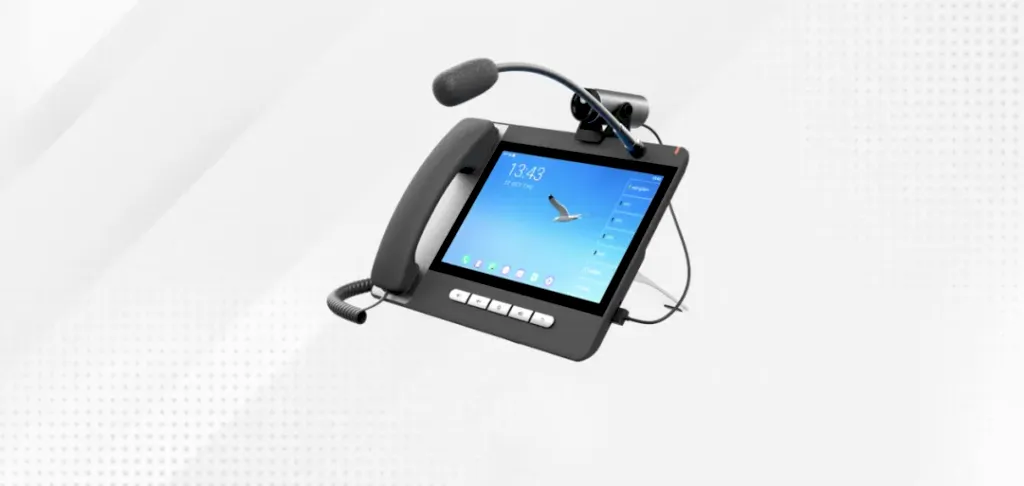
The most technical consideration for video capabilities is video coding and processing performance. Due to the inherent processing limitations of IP phones, most devices support standard video resolutions of either 720P (HD) or 1080P (Full HD), with older models offering lower resolutions that fail to meet modern collaboration needs. Enterprises should verify the maximum supported video resolution when selecting IP phones, especially for teams that rely heavily on video conferences. Becke Telcom’s video IP phones are optimized for low-bandwidth video transmission, ensuring smooth 1080P video calls even on standard enterprise networks, and integrate with ROIP gateways to enable video communication between office teams and field personnel using cluster intercom systems.
Additional Features: Customizing for Specific Business Scenarios
Beyond core functionality, modern IP phones offer a range of additional features that add value for specific industry scenarios, with manufacturers like Becke Telcom tailoring these features to meet the unique needs of different enterprises. The most widely used and practical additional features include:
- Bluetooth Connectivity: Enables pairing with wireless headsets, freeing users from wired constraints and improving mobility—an essential feature for contact center agents and on-duty staff who need to move around while on calls.
- Built-in Call Recording: Supports local recording via internal memory cards, eliminating the need for separate recording equipment and simplifying compliance with call recording regulations for financial, legal and customer service industries.
- Integrated Conference Calling: Allows multi-party calls directly from the IP phone, with advanced models supporting one-touch conference setup and participant management—streamlining team collaboration without the need for dedicated conference systems.
These features are not universal across all IP phone models, and enterprises should select devices with features aligned with their specific use cases. For example, contact centers prioritize Bluetooth and call recording, while dispatch centers may require integration with ROIP gateways for cluster intercom communication, and small offices may only need basic conference calling functionality.
A Strategic Approach to IP Phone Selection
IP phones serve a diverse range of business scenarios, from small office setups to large-scale contact centers and industrial dispatch systems, and there is no one-size-fits-all solution. The key to effective selection is to align technical parameters with business needs, project scale and budget constraints, prioritizing practicality over unnecessary advanced features.
For small enterprises and basic office scenarios with low call volume, entry-level IP phones with G.711 coding, Linux operating systems and 100Mbps ports offer a cost-effective solution that meets core communication needs. For medium and large enterprises, contact centers and integrated communication projects, high-end models with G.722 HD audio, Gigabit ports, PoE power, large touch screens and video capabilities are essential, with Android-based systems providing the smart integration needed for seamless collaboration with enterprise software and ROIP gateways.
When selecting IP phones, enterprises should also consider future scalability—choosing devices that can integrate with evolving communication infrastructure such as cloud telephony, ROIP gateways and unified communication platforms. Becke Telcom’s full range of IP phones and communication solutions are designed for seamless integration, with devices that work in tandem with ROIP gateways, trunk gateways and cluster intercom systems to create a unified, scalable communication ecosystem that adapts to changing business needs.
By evaluating the core parameters outlined in this guide and aligning device selection with operational requirements, enterprises can choose IP phones that enhance communication efficiency, reduce deployment costs and improve user satisfaction—turning a basic communication tool into a strategic asset for business growth.

 English
 Deutsch
 한국어
한국어 Русский
 Français
 日本語
日本語 لالعربية
 हिन्दी
 Español
 Português
 繁体中文
繁体中文 简体中文
简体中文